
Everything You Need to Know About Hydroponic Gardens

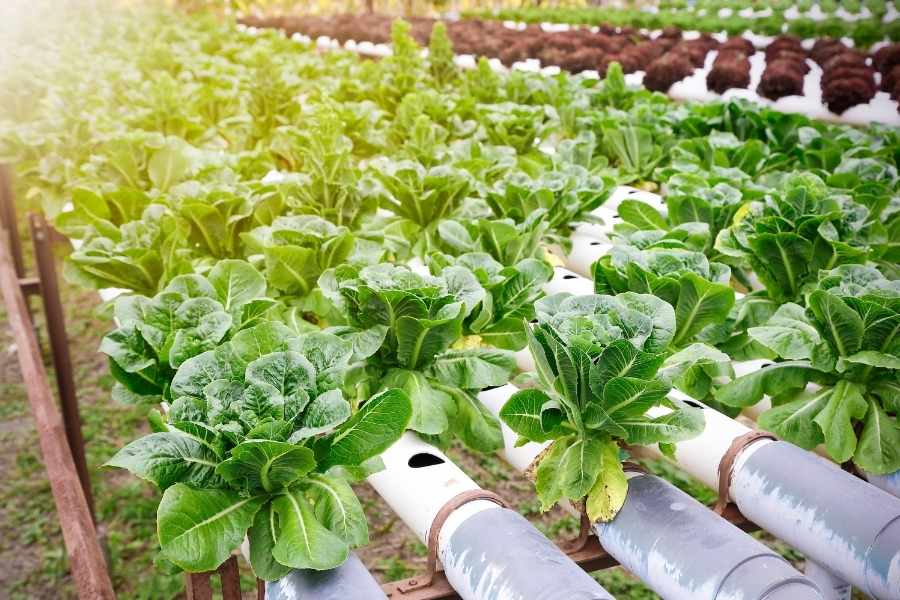
If you like gardening but don't like digging in the ground, there is still a way to have a garden. It's called hydroponics. But, is it for you? To help you decide, here is an introduction to hydroponic gardening. We assume you are new to hydroponics, so we try to anticipate your questions by starting with the basics.
Hydroponics is a method of growing plants in a soilless solution. Since the method is called hydroponics and "hydro" means water, most people think that the solution without soil is water.
Sure, it could be water, but it doesn't have to be. Hydroponics can be any nutrient solution or inert growing media, such as perlite and sand, basically anything other than traditional potting mixes or soil.

It's complicated?
It does not have to be this way. In fact, hydroponic growing can be so simple that a child can do it. There's even a good chance that you tried it as a kid.
Have you ever placed toothpicks in a potato and suspended them in a jar of water? If so, do you remember waiting for the roots to grow in the water and then seeing the green shoots emerge above the water? This is hydroponics!
What is a hydroponic system?
Hydroponic systems are various structures (eg, towers, trays, A-frames) that retain water or other inert media and provide places for growing plants. Hydroponic systems fall into two basic categories: a solution (liquid) culture and an aggregate culture.
In a solution system, plant roots grow directly in a nutrient-filled solution. In an aggregate system such as gravel, sand, or small clay granules, the roots grow in the middle. In each method, the system provides the three essential ingredients that plant roots need to grow: water/moisture, nutrients, and oxygen.
Where can I get a hydroponic system?
The systems (think home grow kits) are available from a variety of commercial vendors. Find a system that meets your needs by doing an Internet search using the keywords "hydroponic kits" or "hydroponic systems."
Searches for "kits" can yield simple systems, ideal for hydroponics beginners and home growing. On the other hand, searches for "systems" may tend to find advanced or commercial systems more suitable for large-scale producers.
What about nutrients and a medium?
You will need to use nutrients, a mixture of primary, secondary, and micro designed for hydroponics. For various reasons, hydroponic nutrients differ from nutrients (fertilizers) that are used to feed plants that grow in the soil.
If you are not yet familiar with hydroponics, keep things simple. Use a proven formula that you can buy from a reputable manufacturer.
In addition to water, hydroponic possibilities include rock wool, small clay rocks (sometimes called hydro corn), coconut coir or chips, perlite, sand, and vermiculite. All of these are "inert," meaning they don't break down quickly, a process that helps provide nutrients to plants growing in the soil.
One hydroponic material is no better than another. You just have to decide which one works best in your situation or is best suited to your gardening comfort level. A critical factor is preventing medium-sized products, such as coconut by-products, from getting too wet. A constantly soaked medium will cause the roots to suffocate from lack of oxygen.
How long it takes?
Like all hobbies, hydroponic growing takes time. Assuming you are new to hydroponics, you will want to spend some time learning more about the process before you begin. While you don't need to waste time weeding as you do in a traditional garden, you do need to spend time maintaining your system, replacing nutrients, and harvesting.
Is this a type of organic gardening?
Not quite. The ingredients in organic fertilizers must come into contact with the soil to become a form that the roots of the plants can absorb. Since hydroponics does not involve soil, it is not really organic gardening. The ecological values of hydroponics, however, are the same as those of organic gardening.
What kind of plant can I grow?
The simple answer is just about any houseplant, fruit, or vegetable you want. As a general rule, solution systems are best for plants with shallow roots.
Some examples are green leafy vegetables like lettuce and spinach, radishes, and herbs. Aggregate systems are generally best for deep-rooted vegetables like beets or those that are top-heavy, like squash and cucumbers.
And the taste?
The taste and nutrition of hydroponically grown produce are also said to outperform that of soil-grown crops.
We hope you enjoy this video about Hydroponic gardening - Grow organic plants fast:
Source: Hydroponicsystems
Did you find this post Useful or Inspiring? Save THIS PIN to your GARDENING Board on Pinterest! 

Once again, thank you for visiting our website!
We hope you've enjoyed exploring the content we've created for you.
Give yourself the chance to learn, get inspired, and have even more fun, keep browsing...
More Gardening Tips 👇🏼👇🏼