
Farming Without Soil and 90% Less Water


In today’s world, agriculture faces numerous challenges, from soil degradation to water scarcity.
Traditional farming methods require large amounts of water and space, often leading to environmental degradation and inefficiencies.
But what if there was a way to grow plants with 90% less water and significantly less space? Enter aeroponics — a groundbreaking farming technique that promises to address these challenges and revolutionize the way we cultivate crops.
In this article, we’ll explore what aeroponics is, its benefits and challenges, and how you can get started with this innovative farming method.
What is Aeroponics?
Aeroponics is a type of soilless farming where plants grow with their roots suspended in air, rather than soil or water.
Instead of relying on traditional soil, plants in an aeroponic system receive nutrients through a fine mist or fog sprayed directly onto their roots.
This system allows the plants to absorb nutrients and oxygen efficiently, leading to faster growth and higher yields.
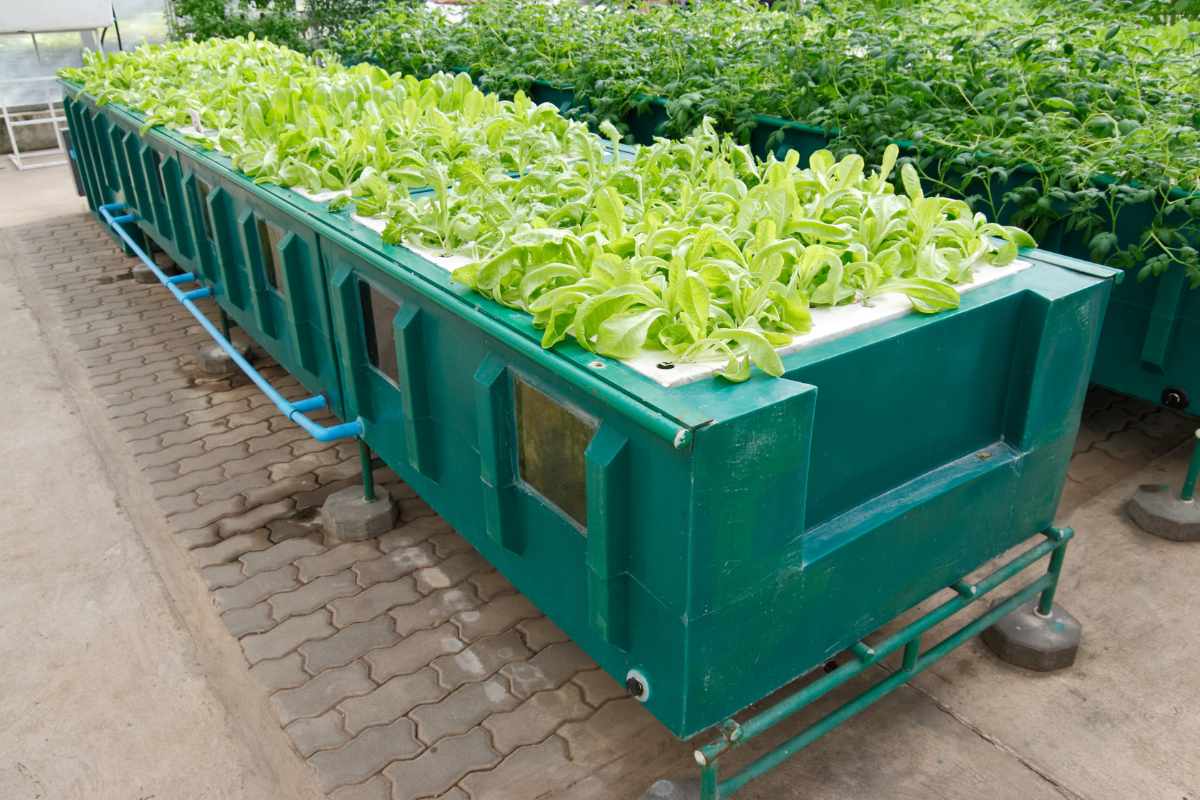
How Does Aeroponics Work?
Aeroponic systems use nutrient-rich mist to provide plants with water and nutrients.
Roots are suspended in the air, exposed to the mist, which provides the essential moisture, nutrients, and oxygen.
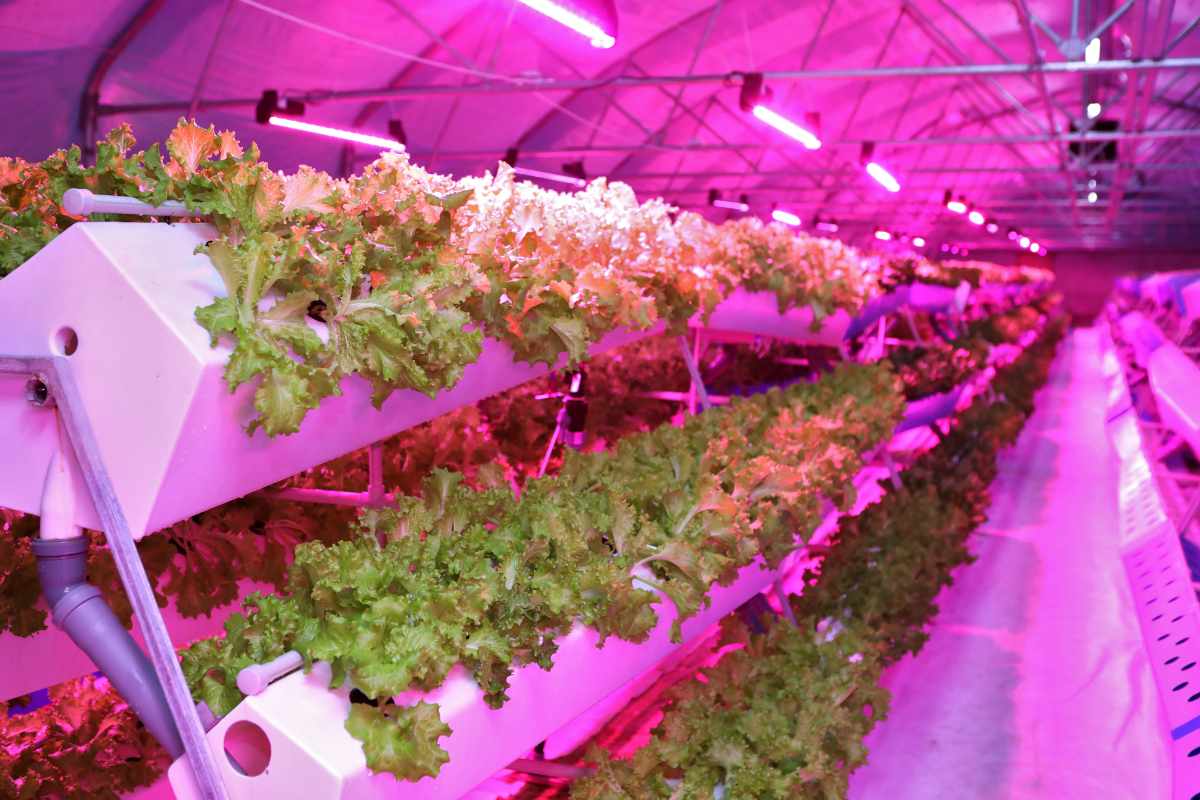
The system typically requires a closed environment, such as a greenhouse or a vertical farming setup, to optimize temperature and humidity conditions.
Aeroponics differs from hydroponics, which uses water to deliver nutrients to plants.
While both methods eliminate the need for soil, aeroponics takes it a step further by using minimal water and no soil at all, which results in greater efficiency and faster plant growth.
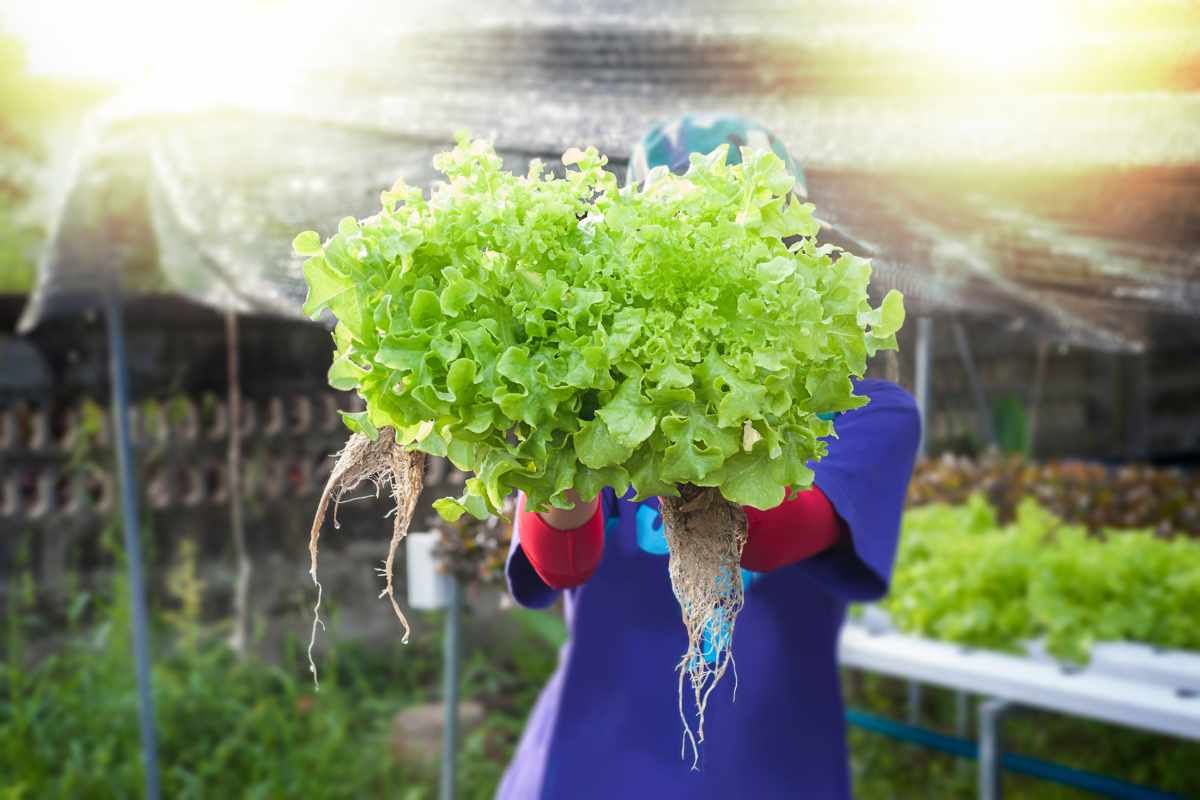
Benefits of Aeroponics
Aeroponics offers a range of environmental and practical benefits, making it a promising solution for sustainable agriculture:
1. Water Conservation
One of the most compelling reasons to adopt aeroponics is its ability to save water.
Traditional farming can consume vast amounts of water, often leading to water scarcity issues in drought-prone regions.
Aeroponic systems use up to 90% less water compared to conventional farming methods. Since the water is recirculated within the system, there's minimal waste, and plants only absorb the necessary moisture.
2. Space Efficiency
Aeroponics requires less space than traditional farming methods.
Vertical farming systems, where aeroponics is commonly used, allow plants to grow upward, rather than spreading out horizontally.
This makes it possible to grow crops in smaller spaces, such as urban rooftops or indoor environments, making it an excellent choice for urban agriculture.
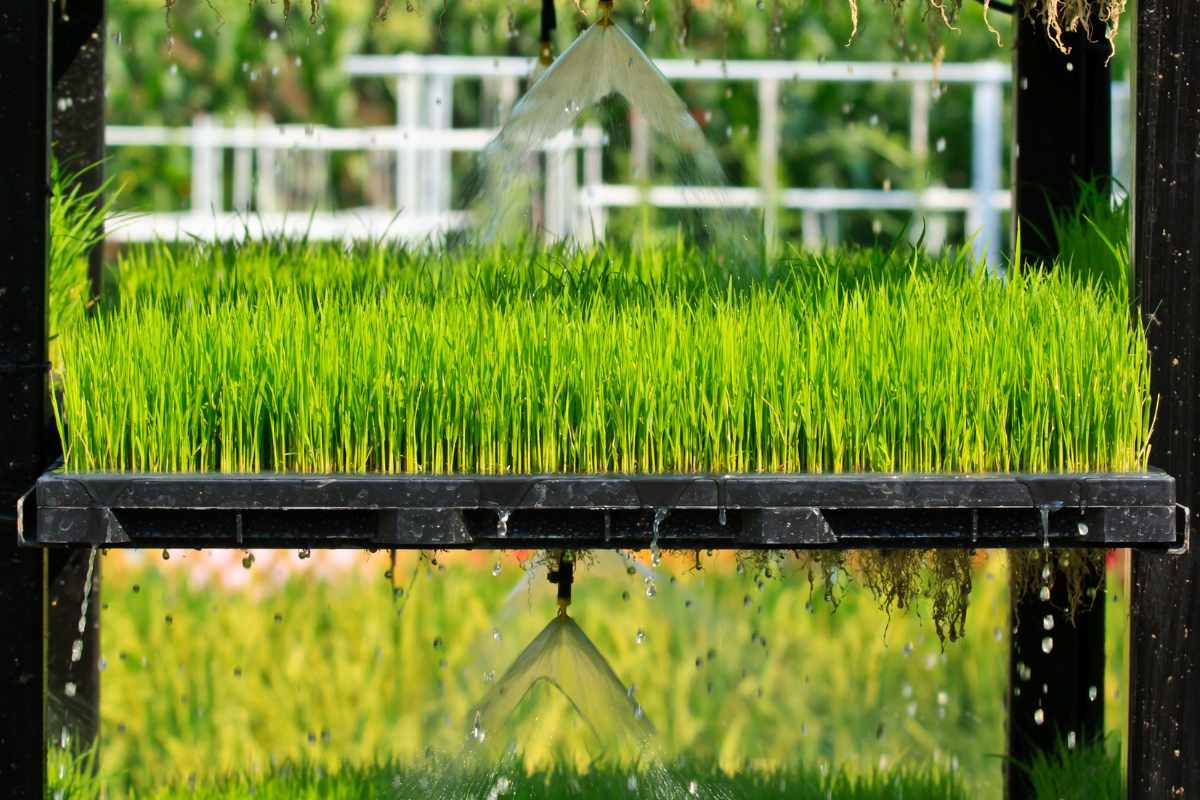
3. Faster Plant Growth
Without soil, plants can grow faster and healthier in an aeroponic system.
The plants receive a continuous supply of oxygen and nutrients through the mist, which accelerates their growth cycle.
This efficiency leads to quicker harvests, allowing for more frequent crop production.
4. Reduced Pesticide Use
Because aeroponic systems are contained environments, there’s a reduced risk of pests and diseases.
Without soil, plants are less prone to soil-borne diseases, and there’s less need for chemical pesticides.
This results in healthier plants and more sustainable farming practices.
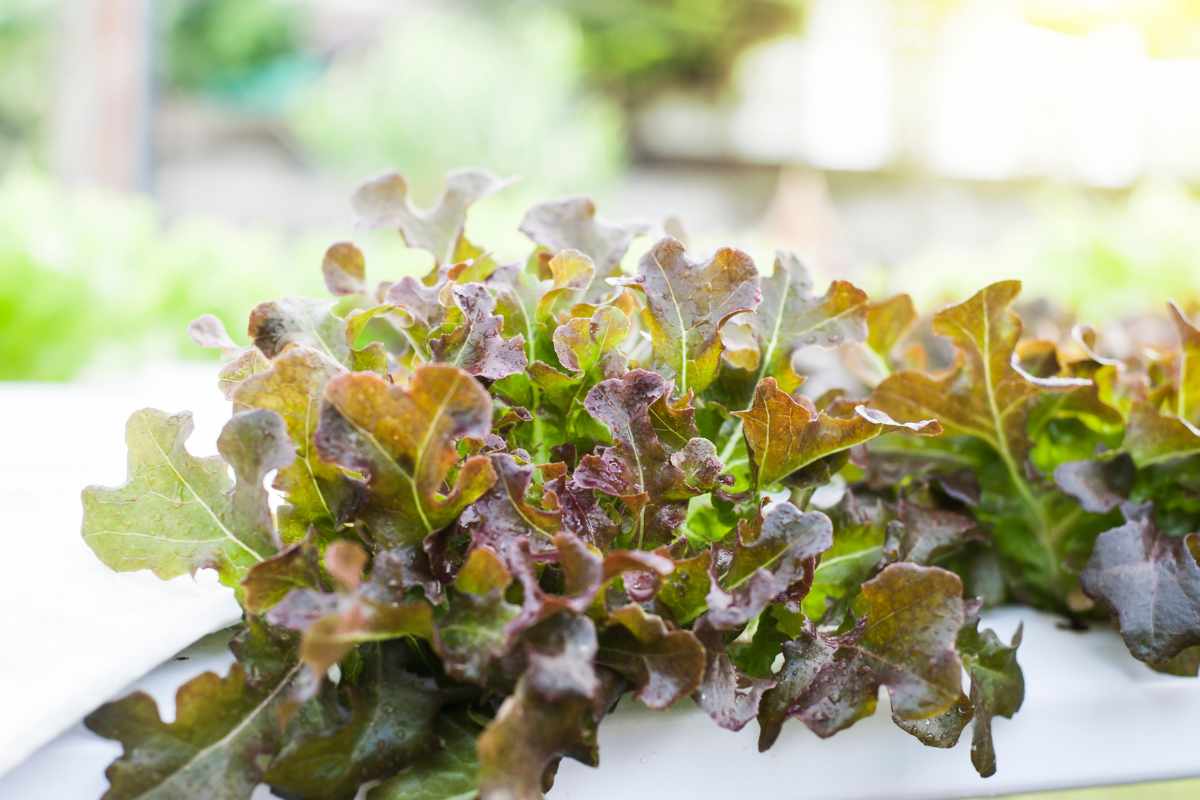
5. Environmentally Friendly
Aeroponics uses minimal resources — little to no soil, reduced water usage, and fewer pesticides.
These factors make it a sustainable farming option that can be scaled globally, especially in areas where traditional farming is not feasible due to environmental conditions.
Challenges and Considerations
While aeroponics has numerous benefits, it’s not without its challenges. Here are some key considerations to keep in mind:
1. Initial Investment Costs
Aeroponic systems, especially commercial-grade ones, can be expensive to set up.
The equipment, including pumps, misting systems, and environmental controls, can require a significant upfront investment.
However, the long-term savings in water, space, and resources may justify the initial cost.
2. Technical Complexity
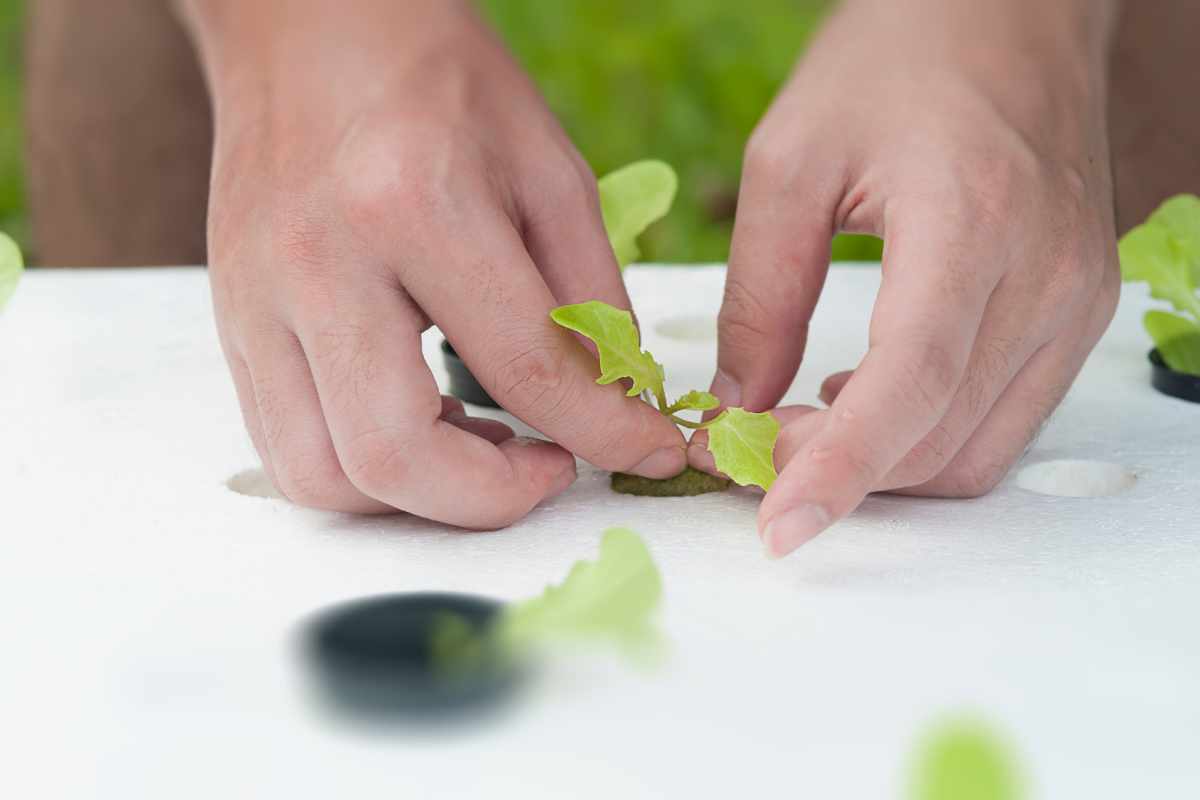
Operating an aeroponic system requires some technical expertise.
Proper maintenance of the system, including managing the misting, temperature, humidity, and nutrient delivery, is essential for plant health.
However, with the right training and resources, these systems can be managed effectively.
3. Reliance on Electricity
Aeroponic systems are dependent on electricity to power the misting and environmental controls.
In the event of power outages, plant health can be compromised. It’s essential to have backup systems in place to ensure continuous operation.
4. Limited Plant Variety
Although many plants thrive in aeroponic systems, not all crops are suited for this method.
Larger plants with extensive root systems may not do as well in aeroponic setups. It’s important to research which plants are best suited for aeroponics.
How to Get Started with Aeroponics
If you're intrigued by the idea of aeroponics and want to explore it further, here are some practical steps you can take to get started:
1. Choose the Right System
There are many types of aeroponic systems, from small DIY kits for home gardeners to large commercial-grade systems.
Start with a simple vertical farming kit or a small countertop aeroponic unit if you're a beginner.
2. Select the Right Plants
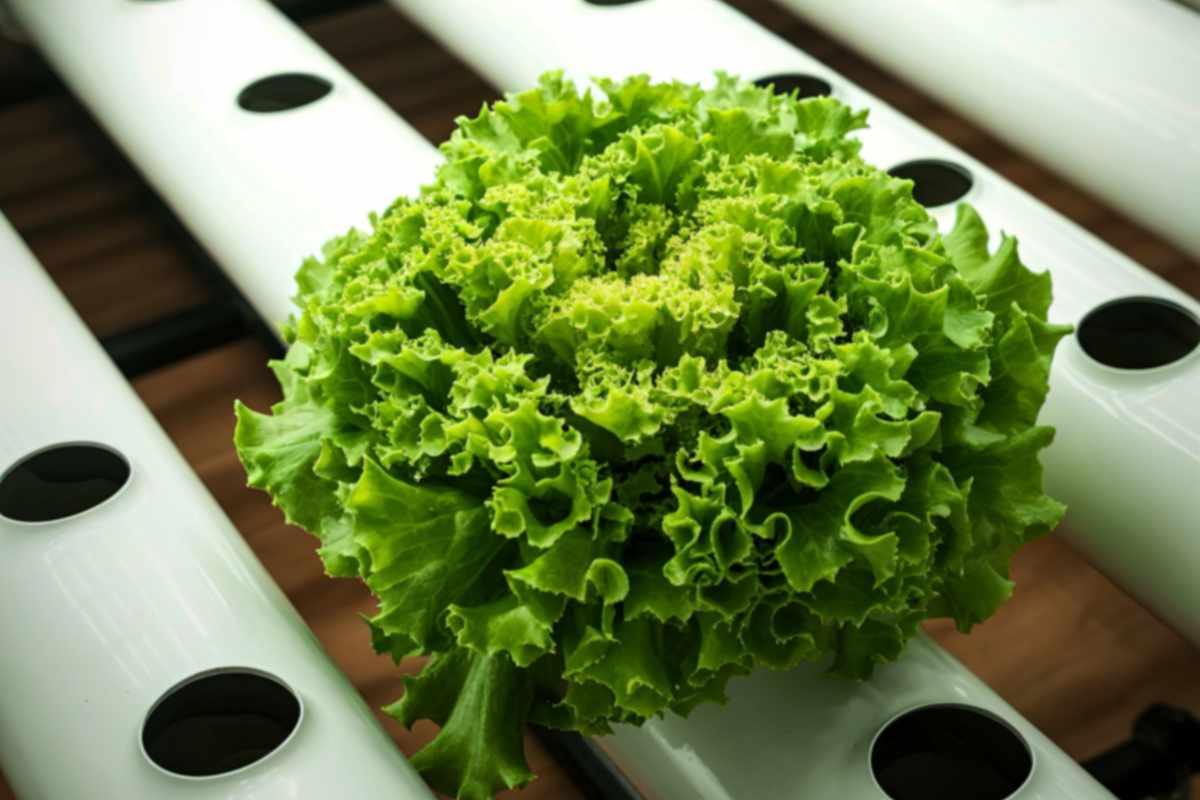
While many plants do well in aeroponics, leafy greens, herbs, and strawberries are among the easiest to grow. Start with crops that are known to thrive in aeroponic systems.
3. Set Up Your System
Once you’ve selected your system and plants, it’s time to set up.
Choose a location that offers ample light, ideally near windows or under grow lights.
Make sure the environment is regulated for humidity and temperature to promote healthy plant growth.
4. Maintain Your System
Maintaining an aeroponic system involves checking nutrient levels, ensuring proper misting, and monitoring plant health.
Keep an eye on your plants and adjust the system as needed to optimize growth conditions.

5. Harvest Your Crops
After a few weeks to a couple of months, depending on the plant, you can begin to harvest your crops.
Because aeroponics promotes faster growth, you can expect quicker results compared to traditional farming.
Final Thoughts
Aeroponics is a game-changer in the world of agriculture.
By reducing water usage, increasing space efficiency, and promoting faster plant growth, this innovative farming technique offers a sustainable solution for the future of food production.
While it does come with some challenges, the benefits far outweigh the drawbacks. If you’re looking to start growing your own crops more sustainably, aeroponics is an excellent choice to consider.
Enjoy The Video Tutorial

source: USA TODAY Life
Don’t forget to Subscribe to our Newsletter to receive amazing tips and tricks about Gardening and the FREE Ebook Green Living Strategies!
Did you find this post Useful or Inspiring? Save THIS PIN to your GARDENING Board on Pinterest! 😊
Once again, thank you for visiting our website!
We hope you've enjoyed exploring the content we've created for you.
Give yourself the chance to learn, get inspired, and have even more fun, keep browsing...
""
More Gardening Tips 👇🏼👇🏼