
Growing Brussel Sprouts [ Increase Growth, Pruning and Harvest ]


Brussels sprouts might take patience, but once you learn the right tricks to increase growth, prune properly, and harvest at the right time, you’ll be rewarded with a delicious and nutritious crop.
Whether you’re growing them for the first time or trying to improve last season’s results, these tips will help your plants thrive and produce firm, flavorful sprouts all season long.
Ideal Conditions for Growing Brussels Sprouts
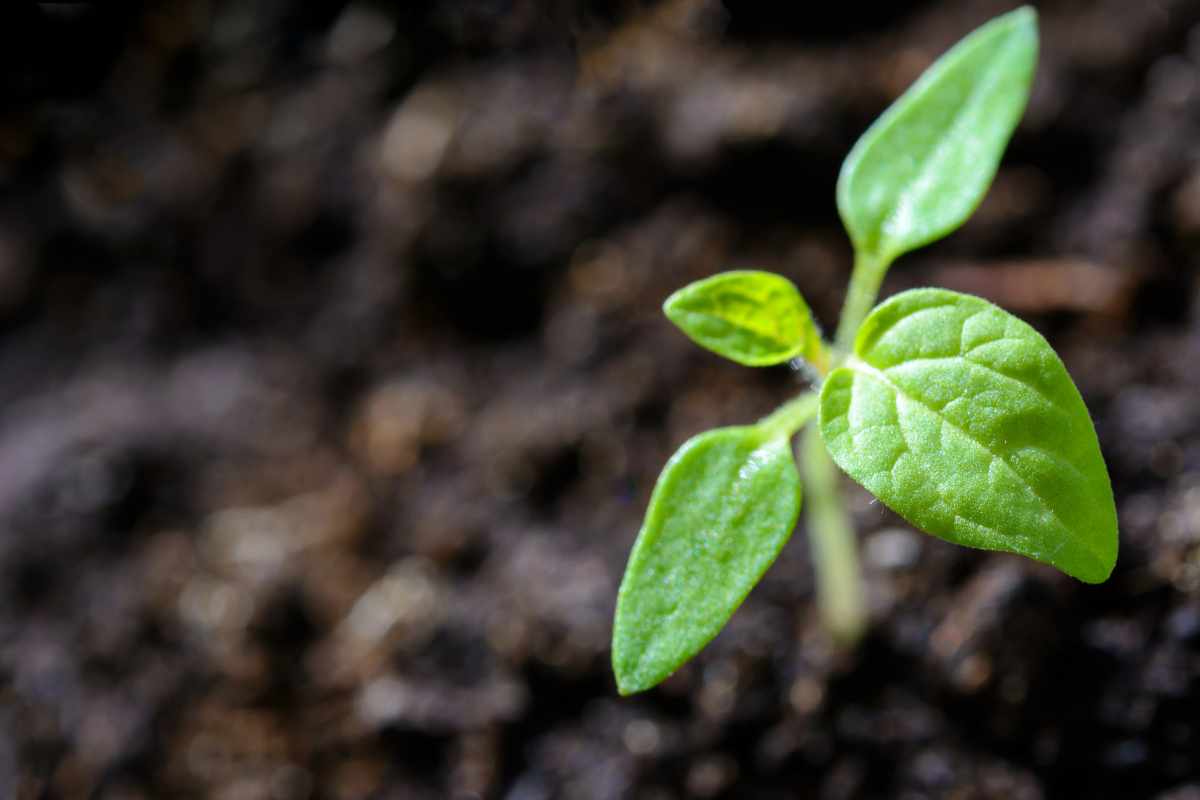
Choose the Right Spot
These cool-season vegetables love full sun — aim for at least 6 hours of light each day.
They tolerate light frost but dislike excessive heat, which can cause poor bud formation.
Soil and Nutrients
Brussels sprouts prefer well-draining, fertile soil with a pH between 6.0 and 7.5.
Mix compost or aged manure into the soil before planting to improve structure and nutrient content.
Watering Tips
Keep the soil consistently moist but never soggy. Uneven watering can cause loose or bitter sprouts.
A layer of mulch helps maintain soil moisture and regulate temperature.
How to Encourage Strong Growth

Healthy, steady growth is the foundation for large, tightly packed sprouts.
Follow these steps to give your plants the best start:
Space wisely – Leave about 24–30 inches of space between plants to allow for good airflow. Crowding leads to disease and smaller sprouts.
Feed regularly – Apply a balanced fertilizer (10-10-10) every 3–4 weeks, or top-dress with compost for a natural boost.
Stake tall plants – Mature stalks can reach up to 3 feet tall, so use garden stakes to prevent them from toppling in windy weather.
Control pests early – Keep an eye out for aphids, cabbage worms, and flea beetles. Use neem oil or insecticidal soap as needed.
Pruning for Productivity
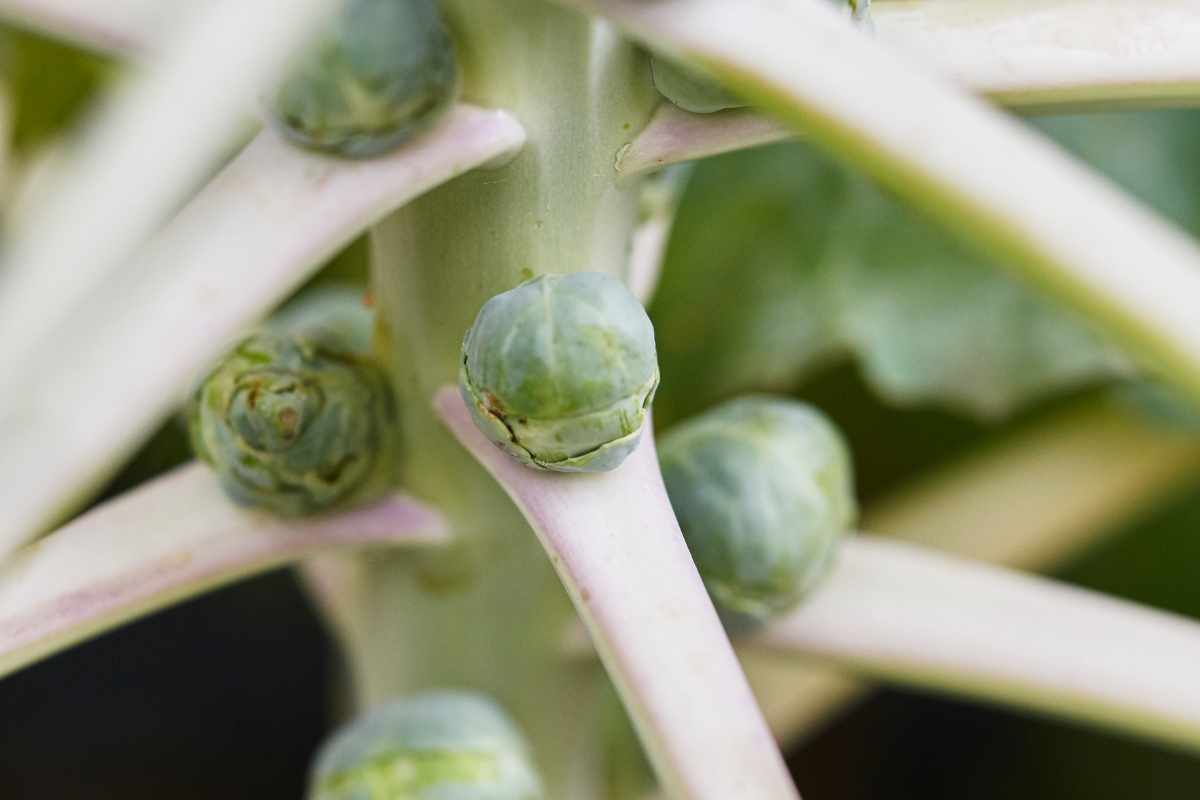
Pruning is the secret to better airflow, healthier leaves, and larger sprouts.
It helps the plant direct its energy where it is most needed.
When to Start Pruning
Begin pruning when the lower leaves start to yellow or wilt — usually mid-season, once sprouts start forming on the stem.
How to Prune
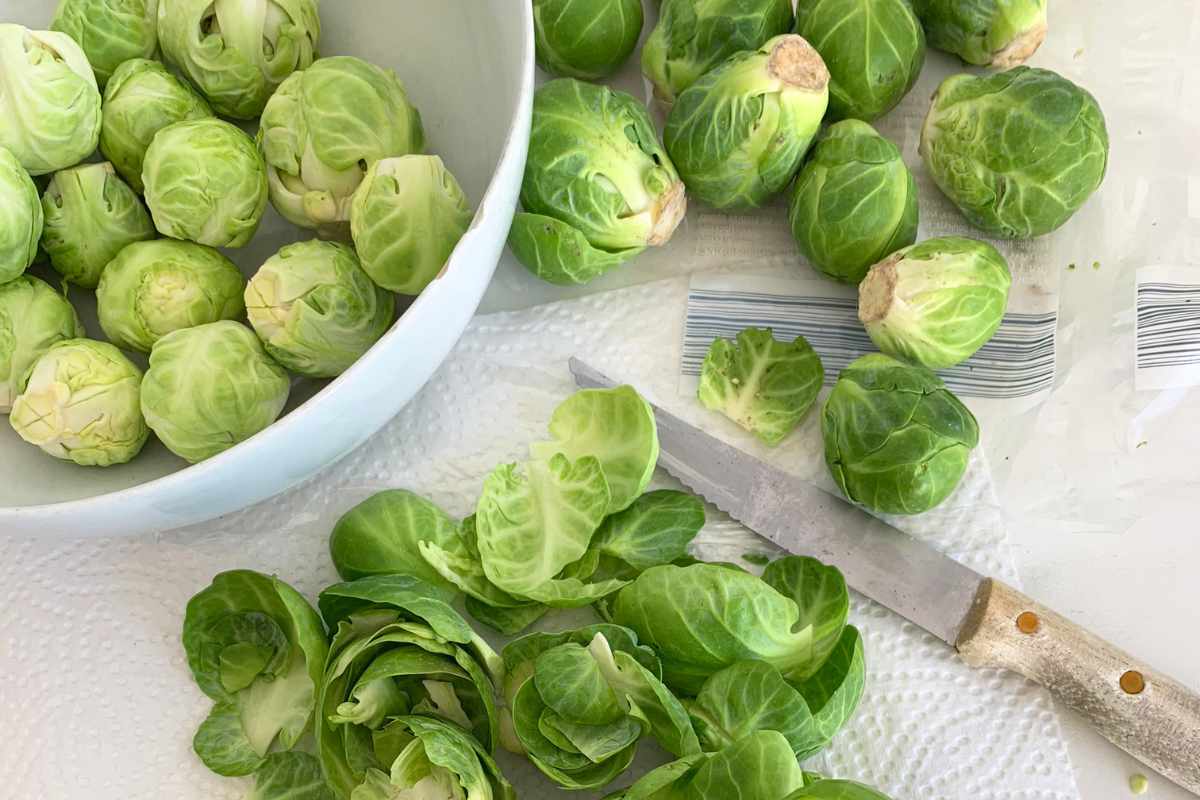
Remove yellowing lower leaves with clean garden shears to prevent fungal diseases.
As the sprouts mature from the bottom up, continue trimming old leaves below the lowest harvestable sprouts.
For a final growth boost, pinch off the growing tip (the top cluster of leaves) about three to four weeks before harvest.
This stops upward growth and encourages the plant to put all its energy into firming up the sprouts.
Pro tip: Don’t remove too many healthy leaves at once — they’re still needed for photosynthesis and nutrient production.
Common Growth Problems and How to Fix Them

If your Brussels sprouts aren’t growing as expected, a few adjustments might help.
Loose sprouts often come from warm weather or irregular watering, so keeping the soil evenly moist and adding mulch can make a difference.
Yellow leaves usually signal a nitrogen deficiency or overwatering, so feed with compost or a balanced fertilizer.
Small buds may result from crowded plants or lack of sunlight — make sure they get plenty of space and full sun exposure.
And if you spot aphids, prune lower leaves and apply neem oil to restore balance naturally.
Harvesting Brussels Sprouts at the Right Time
How to Tell They’re Ready
Brussels sprouts are ready to harvest when they reach 1 to 1.5 inches in diameter, are firm to the touch, and have a bright green color.
They mature from the bottom upward, so begin harvesting lower sprouts first.

Harvesting Method
Twist each sprout gently to snap it off the stalk, or use a sharp knife. Continue picking as they mature on the stem.
For a full-stalk harvest, cut the entire plant at the base once most sprouts are firm.
After harvesting, store sprouts in the refrigerator for up to two weeks. For longer preservation, blanch and freeze them.
Extending the Growing Season
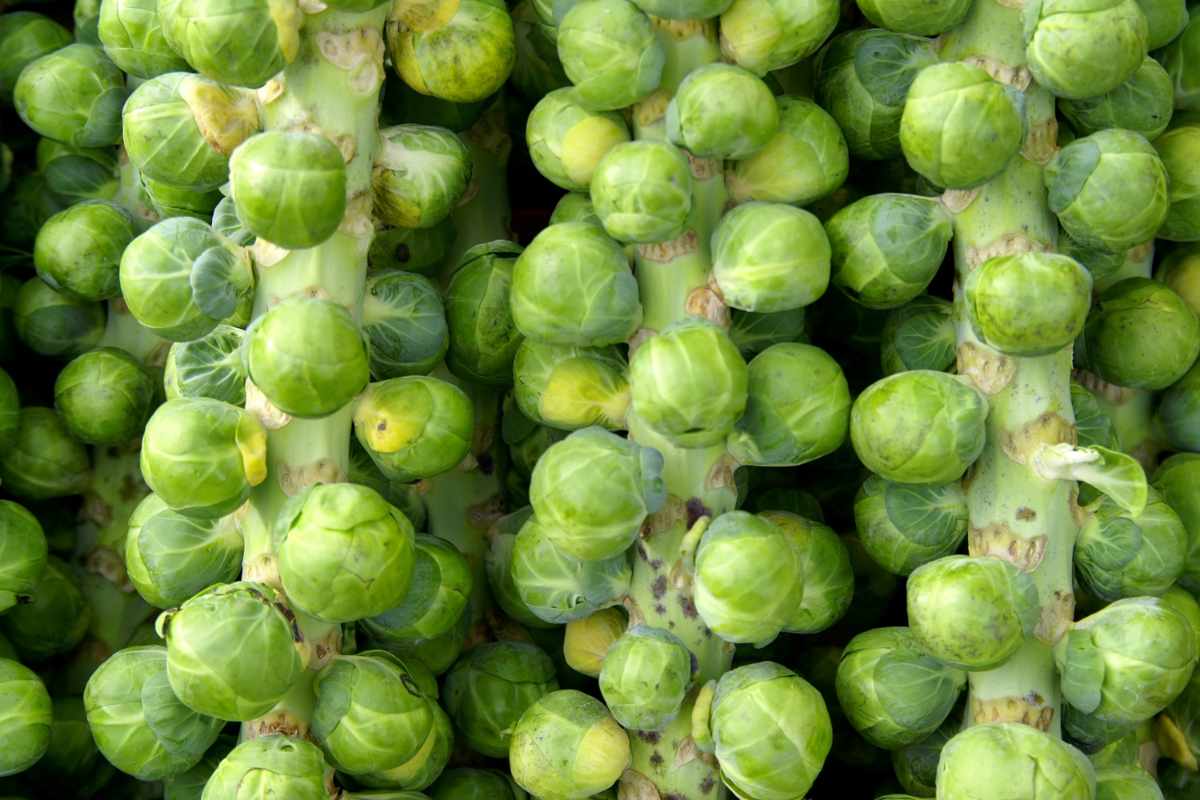
Brussels sprouts actually taste sweeter after a light frost, as cold temperatures convert starches into natural sugars.
To extend your season, use row covers or garden fabric to protect against hard frost.
Apply mulch around the base to insulate roots, and if you live in a mild climate, plant in late summer for a winter harvest.
Caring for Brussels Sprouts After Harvest
Once your harvest is complete, remove old stalks and leaves from the garden to prevent disease buildup.
Compost healthy plant matter or dispose of diseased debris separately.
If you plan to grow again, loosen the soil, add compost, and let the bed rest before replanting.
Enjoy This Video Tutorial
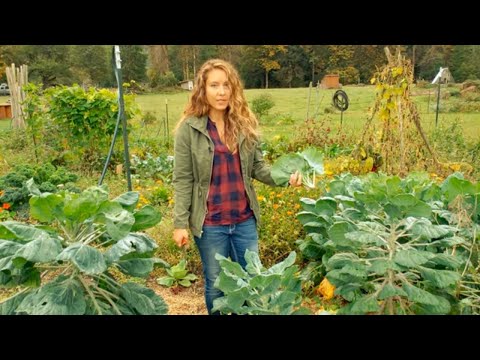
Source: Melissa K. Norris - Modern Homesteading
Don’t forget to Subscribe to our Newsletter to receive amazing tips and tricks about Gardening and the FREE Ebook Green Living Strategies!
Did you find this post Useful or Inspiring? Save THIS PIN to your GARDENING Board on Pinterest! 😊

Once again, thank you for visiting our website!
We hope you've enjoyed exploring the content we've created for you.
Give yourself the chance to learn, get inspired, and have even more fun, keep browsing...
More Gardening Tips 👇🏼👇🏼