
Growing Okra at Home: Best Practices and Tips


Today we want to share with you a special post:
How to Grow Okra
Related to hollyhocks, okra plants produce pretty yellow flowers on pretty stems. But after the flowers fade, he is rewarded with plenty of okra pods for okra, frying, or marinating. These plants need a lot of heat and sun, making them the perfect addition to the summer garden.

Where You Can Grow Okra
While many people consider okra to be a vegetable that is generally only grown in very hot climates, it can really grow anywhere. It only takes 40 to 50 days from planting to harvest as long as temperatures are above 70 degrees.
Planting Okra
The most important thing to remember is that okra needs a warm climate to grow. He really, really doesn't like cool weather; in fact, you shouldn't even plant it in your garden until nighttime temperatures exceed 60 degrees F.
If you live in an area with a shorter warm season, or just want to start the season, you can start your own okra seeds indoors under the light. Okra is best started in peat pots, as they do not like to have their roots disturbed. If you start them indoors, start the seeds four weeks before the date of the last spring frost. Okra seeds germinate in ten to fourteen days.
When planting in the garden (either seeds or transplants), they should be spaced twelve to eighteen inches apart, depending on the variety. Keep seeds or plants well watered and remove weeds regularly.
Growing Okra in Containers
While okra plants are generally tall and you don't usually think about growing them in containers, it certainly can be done.
- Select the correct size container. A pot at least ten inches deep and capable of holding approximately ten pounds of potting soil.
- Plant two to three seeds or slip in each pot, leaving a few inches of space.
- Place the container in a place that receives at least full sun, six or more hours a day.
- Keep the container well-watered. Fertilize every two weeks with a meal of seaweed or fish emulsion.
- Begin harvesting regularly as soon as the ears begin to ripen.
Some good varieties of okra to grow in containers include "Annie Oakley" and "Baby Bubba."

How to Grow Okra
Once temperatures consistently reach 80 degrees F or higher, okra absolutely thrives. Growth and production will increase and it will continue to produce pods until temperatures drop and frost kills the plant, although it will generally start producing fewer pods as the season progresses. You can ensure a regular and prolific okra crop by planting more okra two weeks after planting your first crop.
Okra can withstand drought, but the plants need good deep watering at least every seven days to keep producing well.
Fertilizing Okra
Okra is not a very heavy food, but it works best in nutrient-rich soils. If you have rich soil with a lot of organic matter, you probably don't need to fertilize your okra. Otherwise, you will need to feed the plants every three to four weeks. There are several ways to do this.
- Add organic plant fertilizer to the soil around the plants according to the package directions.
- Season the plants with compost or seaweed meal.
- Water and foliar fertilizer with fish emulsion or compost tea.
Either of these methods will give your okra plants a little extra nutrition to keep producing and growing happily.
Harvesting Okra
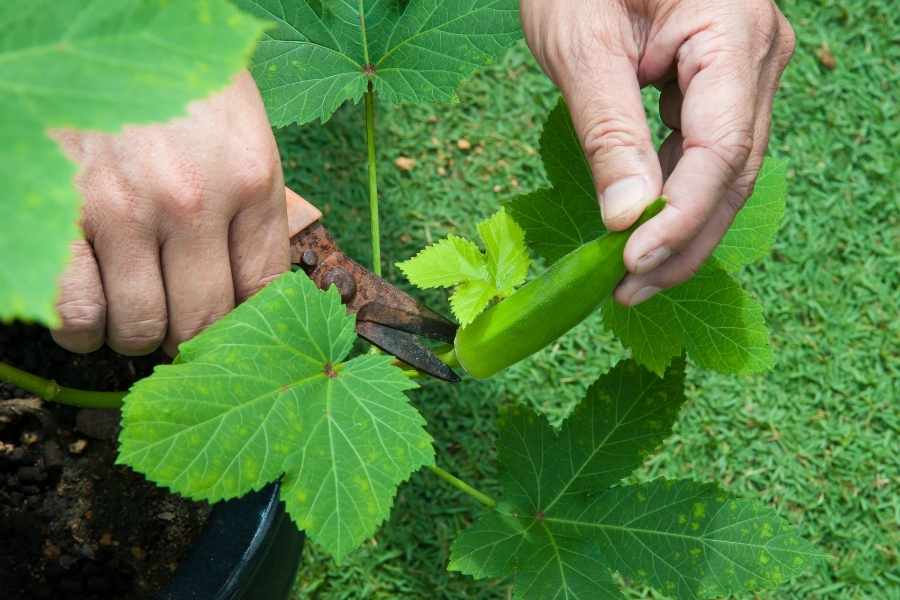
Your okra plant will eventually grow to four feet or more and develop beautiful yellow flowers. After the flowers fade, a pod will form. This is the okra pod that you will harvest, and your first harvest will generally be around eight weeks after planting.
- Look for pods two to three inches long.
- Check every other day to make sure none of the pods are too old and stringy.
- Collect the pods by cutting them off the plant with a knife or pruning shears. If the stem that connects the pod to the plant is very woody, it is probably too difficult to eat.
- Be sure to wear gloves and maybe even long sleeves, as okra has tiny thorns that can sting and irritate the skin.
Okra Pests and Diseases
There aren't many pests and diseases that affect okra, but there are a few that you should know about.
Aphids
Aphids reproduce rapidly and pierce the stem of the plant, sucking its sap and weakening it over time, as well as exposing it to disease. If you see them on your plant, try spraying them with the hose to remove them. If it doesn't work or if you have too many, spray insecticidal soap on the affected areas of your plants.
Corn Earworms
Although commonly associated with corn, these worms are also known as "okra pod worms" because they eat the foliage and pods of okra. They dig the fruits, making them unpleasant. The best way to control them is to harvest them by hand and destroy them when you find them or, if there is a major infestation, apply Bt (Bacillus thuringiensis) to the okra plants, which will kill the worms in a few days.
Fusarium Wilt
Fusarium wilt is a soil-borne fungus that affects many different garden plants. This causes the leaves to turn yellow and fall, resulting in the death of the plant. There are no chemical controls for fusarium. You can try to avoid this by purchasing seeds with the "VFN" label, which means they are resistant to fusarium. Also, be sure to rotate your crops; Don't plant okra in the same spot in your garden year after year, because if the fusarium is in the ground, it will infect future okra plantations.
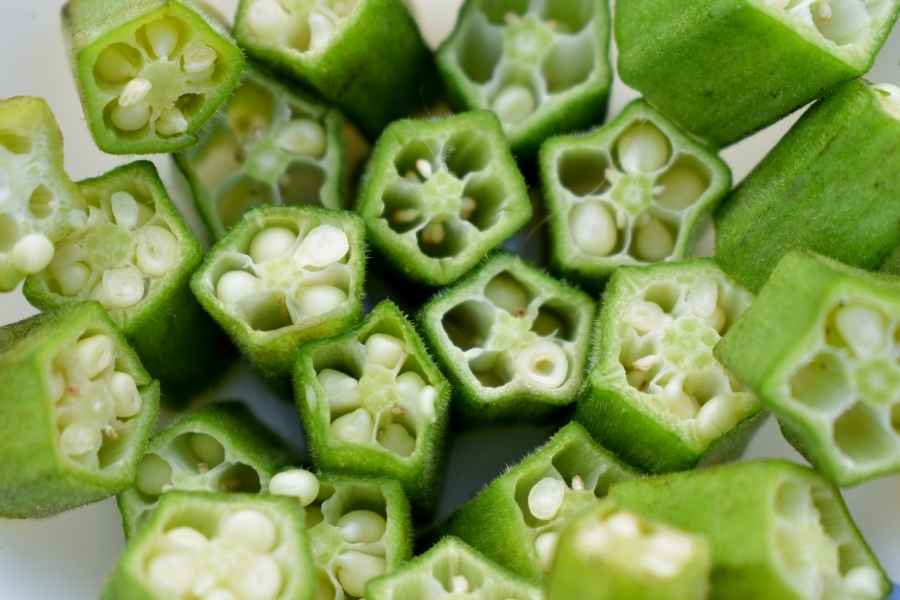
Select the Best Okra Variety for Your Garden
When choosing okra varieties, you should look for a few things: resistance to fusarium, a shorter time between sowing and harvesting (if you live in an area with a short hot season), and varieties that have fewer thorns, so " there will be easier to collect.
- Emerald has seven to nine-inch spineless pods. The plant grows to about four meters tall.
- Annie Oakley II also has beanless pods and grows up to four to five meters tall.
- Louisiana Green Velvet is a very vigorous variety; grows up to 6 feet tall and is very prolific. Its fruits are also weak.
- Clemson Spineless is a spike variety, appreciated for its flavor.
Beautiful and Prolific
It's always a happy occasion when a plant is beautiful and productive, and okra definitely fits those two descriptions. Whether you grow it in a container or on a bed, okra is sure to make a big impact on your garden.
Enjoy This Video Tutorial About How to Grow Okra in Containers
Source: California Gardening
Don’t forget to Subscribe to our Newsletter to receive amazing tips and tricks about Gardening and the FREE Ebook Green Living Strategies!
Did you find this post Useful or Inspiring? Save THIS PIN to your GARDENING Board on Pinterest! 😊
Once again, thank you for visiting our website!
We hope you've enjoyed exploring the content we've created for you.
Give yourself the chance to learn, get inspired, and have even more fun, keep browsing...
More Gardening Tips 👇🏼👇🏼