
Hand Pollinate Squash Flower Easily

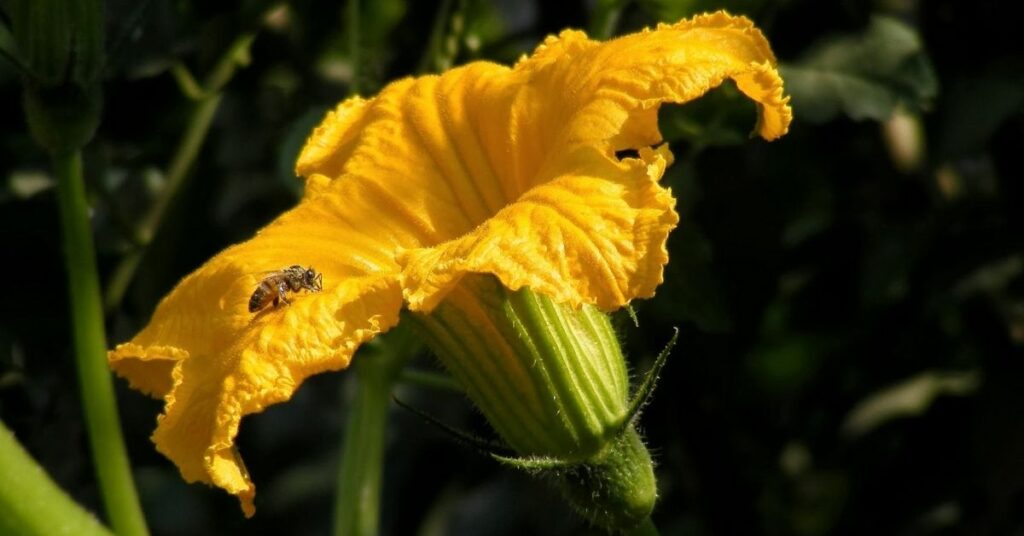
If your squash plants are blooming beautifully but not producing much fruit, you might be facing a pollination problem.
Fewer bees and pollinators visiting your garden can leave your plants struggling to set fruit.
The good news? You can hand-pollinate squash flowers easily and boost your harvest without any special tools or experience.
This guide will show you how to identify male and female flowers, the best time to pollinate, and the right technique to ensure a successful yield.
Why Hand Pollination Matters
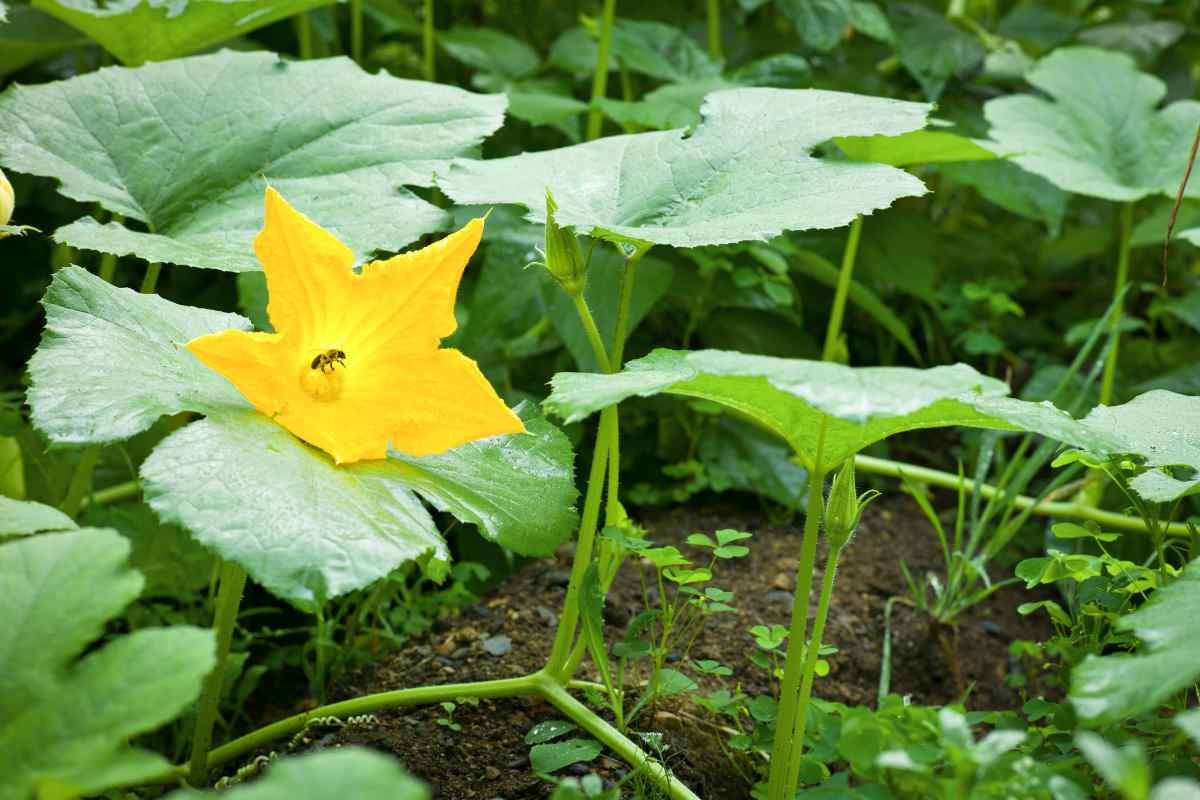
Squash plants rely on bees to transfer pollen from the male flower to the female flower, allowing fruit to form.
But when weather, pesticides, or declining bee populations reduce pollinator activity, your flowers may wither without producing fruit.
Hand pollination mimics what bees naturally do — and it’s one of the simplest ways to ensure your plants keep producing even when nature falls short.
Identifying Male and Female Squash Flowers
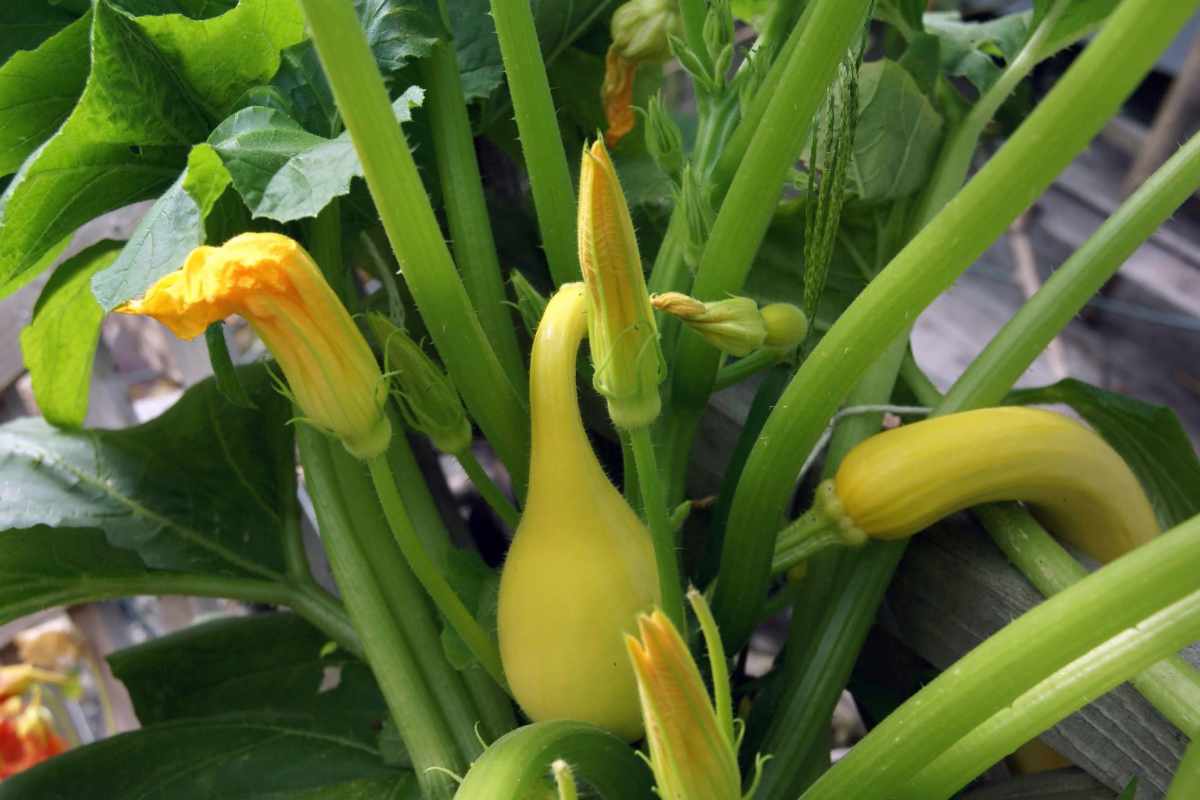
Before you can hand-pollinate, you’ll need to tell the flowers apart:
Male flowers grow on long, thin stems and appear first on the plant. Inside, they have a single stamen covered in yellow pollen.
Female flowers sit closer to the base of the plant, with a small, round bump just below the petals — that’s the tiny squash waiting to grow.
Being able to recognize these differences is key to successful pollination.
When to Hand-Pollinate Squash Flowers
Timing is everything. Squash flowers open early in the morning and usually close by midday.
For best results, start the process between 6 a.m. and 10 a.m., when the pollen is fresh and viable.
Also, make sure to pick a dry, sunny day — moisture can make pollen clump, making it harder to transfer effectively.
How to Hand Pollinate Step-by-Step
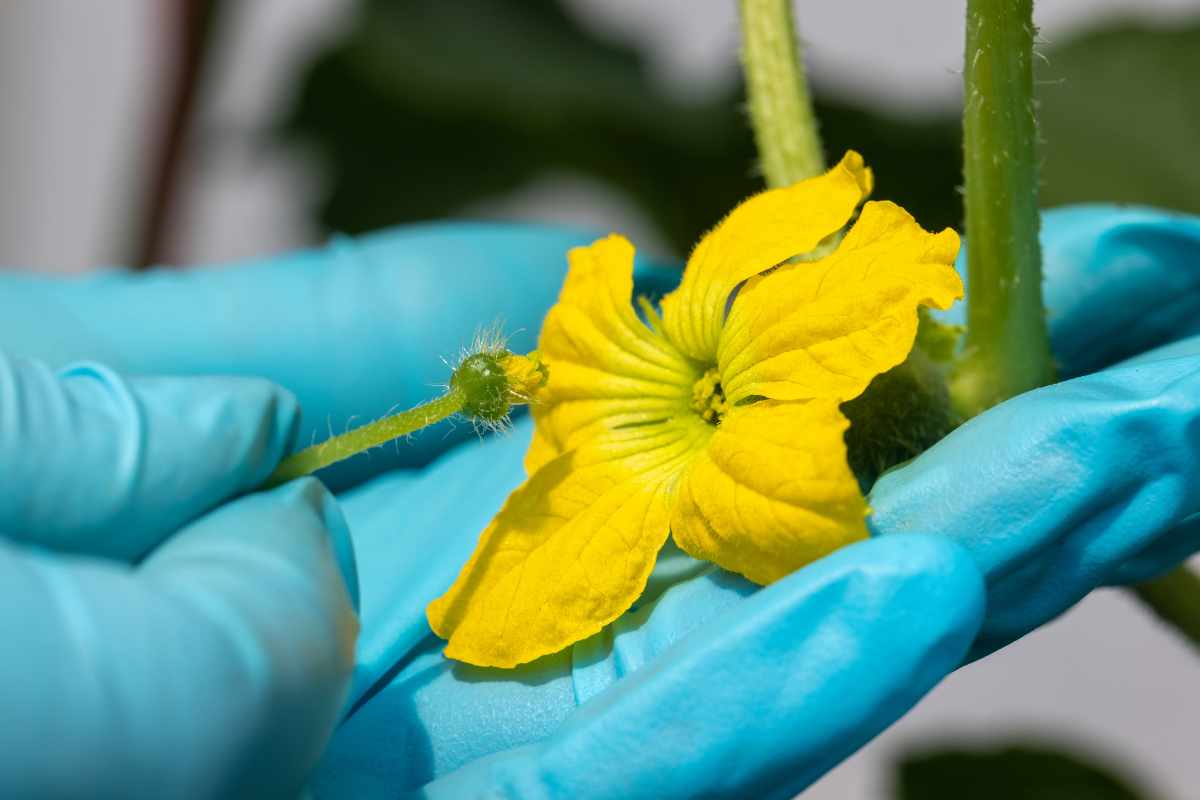
Select a freshly opened male flower. Gently pluck it from the plant and remove its petals to expose the pollen-covered stamen.
Locate an open female flower. You’ll see the tiny fruit just below the bloom.
Transfer the pollen. Lightly brush or dab the male stamen inside the center of the female flower, making sure the pollen touches the stigma.
Optional: To improve chances, you can repeat the process with pollen from a few different male flowers.
Wait and observe. If pollination is successful, you’ll notice the small squash growing larger within a few days.
What to Expect After Pollination
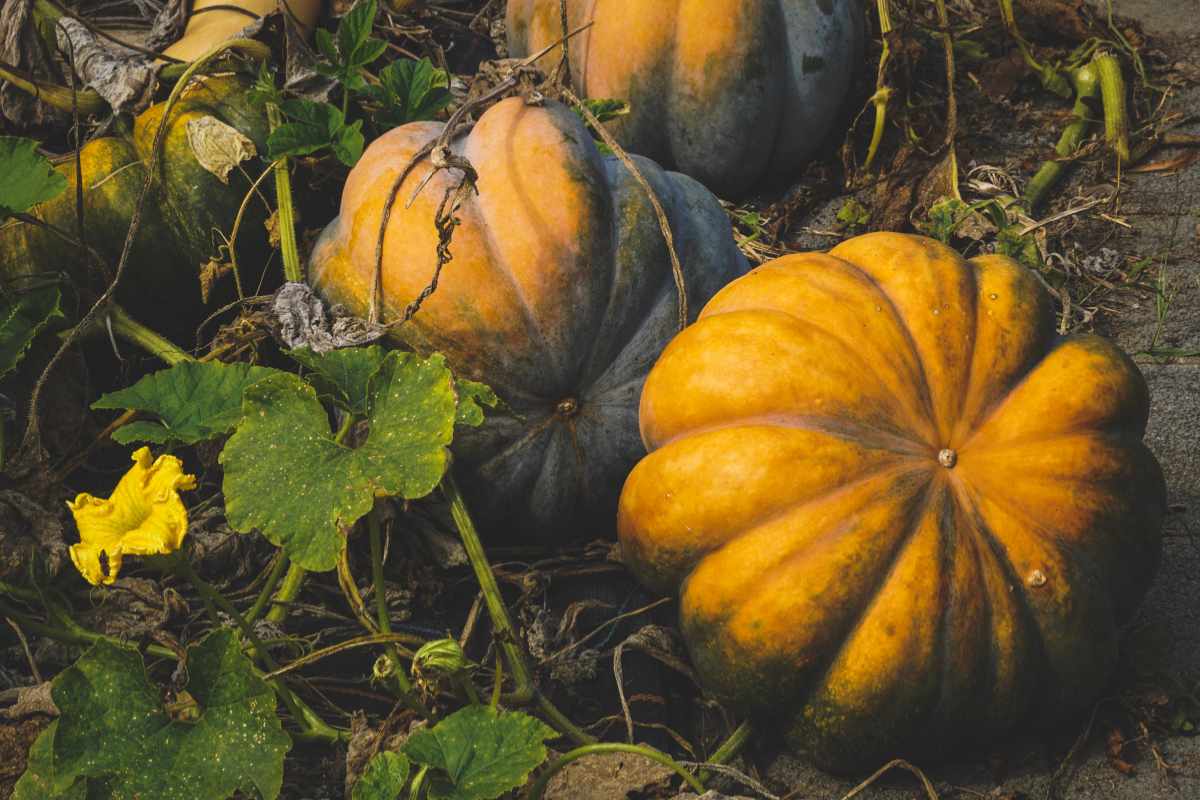
Within four to six days, a successfully pollinated female flower will start developing into a visible young squash.
If it shrivels and falls off instead, the pollination likely didn’t take, but don’t worry! With practice, your success rate will quickly improve.
Bring Your Garden Back to Life
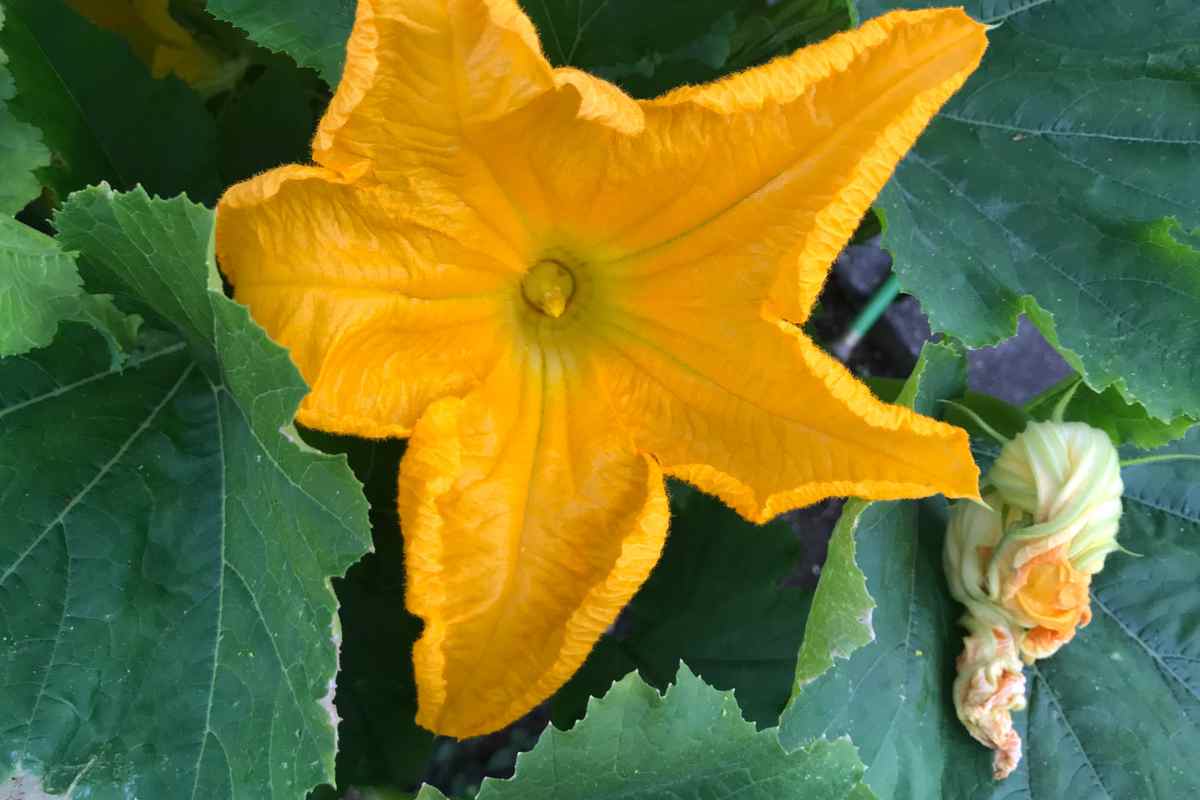
Manually pollinating your squash might seem like extra work, but once you try it, you’ll see how simple and rewarding it is.
You’re not just helping your plants — you’re giving them the best chance to thrive even when nature is unpredictable.
So grab a morning coffee, head to your garden, and try hand-pollinating a few blooms. In just a week or two, you’ll start seeing the difference in your harvest.
Enjoy This Video Tutorial

Source: gardenstead
Don’t forget to Subscribe to our Newsletter to receive amazing tips and tricks about Gardening and the FREE Ebook Green Living Strategies!
Did you find this post Useful or Inspiring? Save THIS PIN to your GARDENING Board on Pinterest! 😊

Once again, thank you for visiting our website!
We hope you've enjoyed exploring the content we've created for you.
Give yourself the chance to learn, get inspired, and have even more fun, keep browsing...
More Gardening Tips 👇🏼👇🏼