
- Urbaki Gardening
- Planting Vegetables
- How Astronauts Grow Lettuce in Space
How Astronauts Grow Lettuce in Space

Emily Brooks
04/08/2025 · Updated on: 04/02/2026
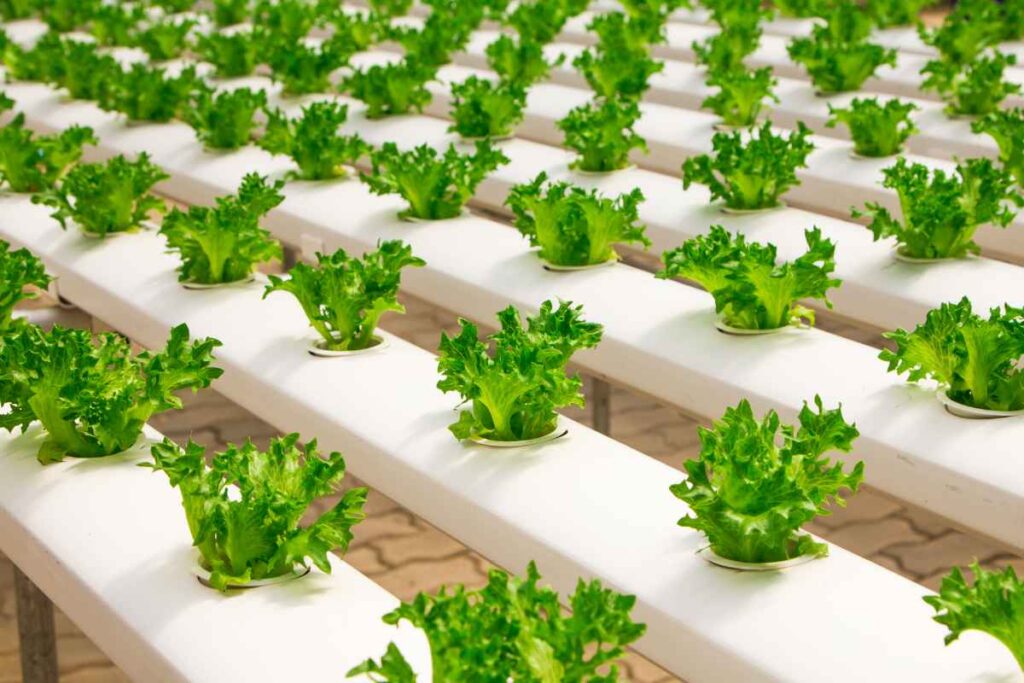
Growing plants in space may sound like something straight out of a science fiction movie, but astronauts have been successfully growing lettuce and other crops aboard the International Space Station (ISS) for years.
This achievement is an essential part of NASA's research into long-term space travel and colonization, as astronauts need sustainable, healthy food sources while living and working in space. In this article, we will explore how astronauts grow lettuce in space, the challenges they face, and the innovative techniques used to make it possible.
The Importance of Growing Food in Space
Astronauts spend extended periods in space, often six months or more, and bringing sufficient food for such long durations is a logistical challenge.
Not only does food take up valuable space, but it must also be carefully preserved to avoid spoilage. Additionally, relying on packaged food alone does not provide the variety, nutrition, or freshness astronauts need for a balanced diet.
Growing fresh food, such as lettuce, in space helps to address these challenges by providing a renewable food source that is both nutritious and environmentally sustainable. It also offers astronauts a psychological boost, as caring for plants can reduce stress and provide a sense of connection to Earth. But growing food in space presents a unique set of obstacles, especially since space lacks many of the conditions necessary for plant growth.
The Challenges of Growing Plants in Space
Space is an extremely harsh environment for plant growth. Several environmental factors make growing plants in space challenging:
1. Microgravity
One of the most significant challenges for growing plants in space is the lack of gravity. On Earth, gravity helps guide plant roots downward into the soil, while stems and leaves grow upwards towards light. In the absence of gravity, plants have trouble orienting themselves.
Solution: Scientists have found ways to simulate gravity-like conditions using artificial gravity systems or relying on plants' ability to use other environmental cues, such as light and moisture, to guide their growth.
2. Limited Space and Resources
The space aboard the ISS is incredibly limited, and astronauts don’t have the luxury of large gardens. The area available for growing plants is confined to small growth chambers or hydroponic systems. In addition, water, light, and nutrients must be carefully controlled to ensure the plants receive what they need.
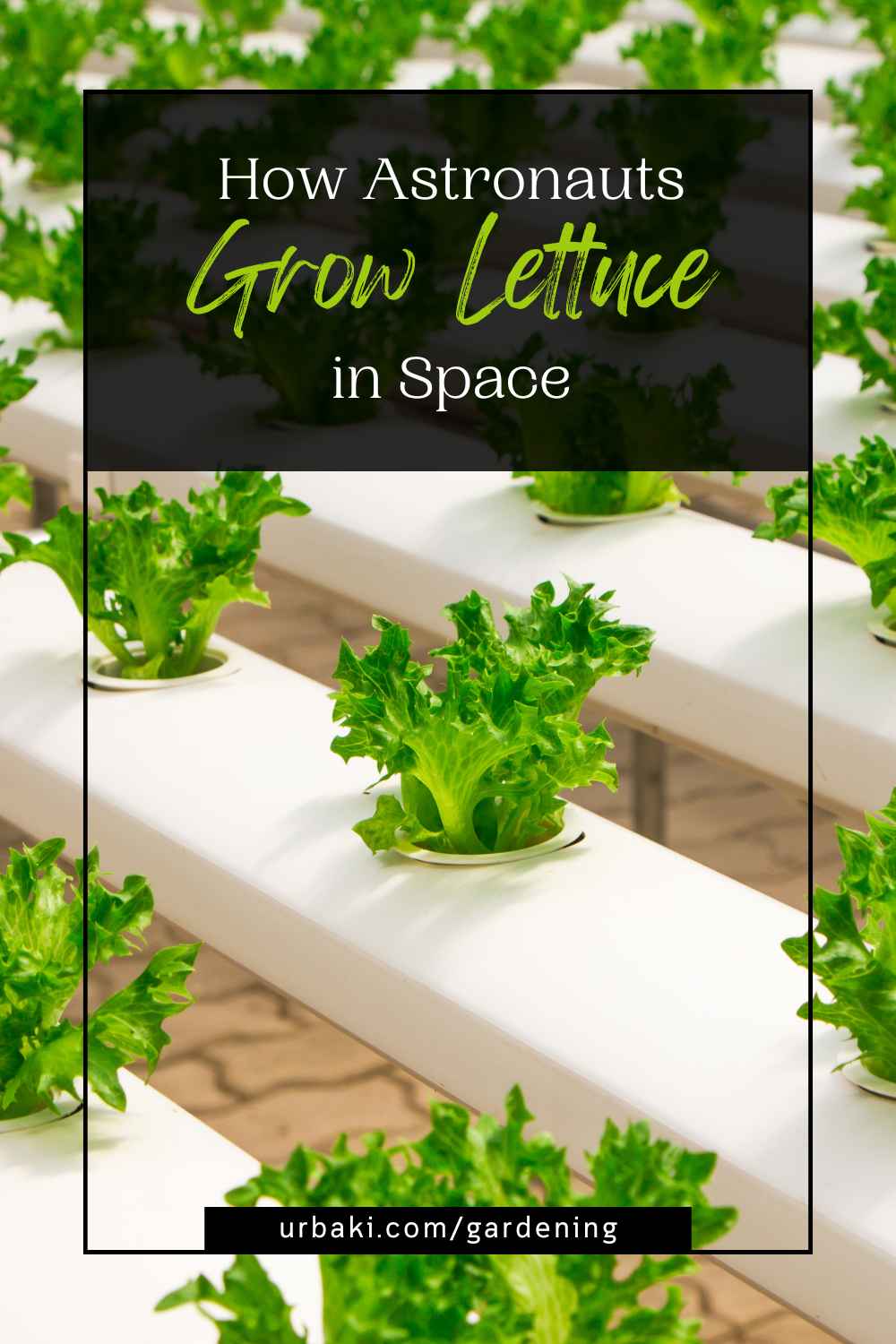
Solution: NASA uses hydroponic and aeroponic growing systems, which allow plants to grow without soil by using water and nutrients delivered directly to the plant roots. These systems are space-efficient and help reduce water consumption, which is vital in space.
3. Light and Temperature Regulation
Plants need light for photosynthesis, but on the ISS, natural sunlight can be inconsistent due to the station's orbit. The station orbits Earth approximately every 90 minutes, meaning astronauts experience sunrise and sunset every 45 minutes. This rapid cycle makes it difficult to maintain the stable light conditions that plants typically need for optimal growth.
Solution: To overcome this, LED grow lights are used to provide consistent light for plants. These lights can be tailored to emit specific wavelengths of light that plants need for photosynthesis, mimicking natural sunlight and enabling healthy plant growth.
4. Nutrient Delivery
On Earth, soil naturally provides plants with water and nutrients. However, space farming doesn't have the luxury of soil. Therefore, water and nutrients must be delivered directly to the plant roots in a way that mimics the natural process.
Solution: Hydroponics and aeroponics are employed on the ISS to deliver a nutrient-rich solution directly to plant roots. These systems ensure that plants receive the right balance of essential nutrients, like nitrogen, potassium, and phosphorus, necessary for healthy growth.
How Astronauts Grow Lettuce in Space
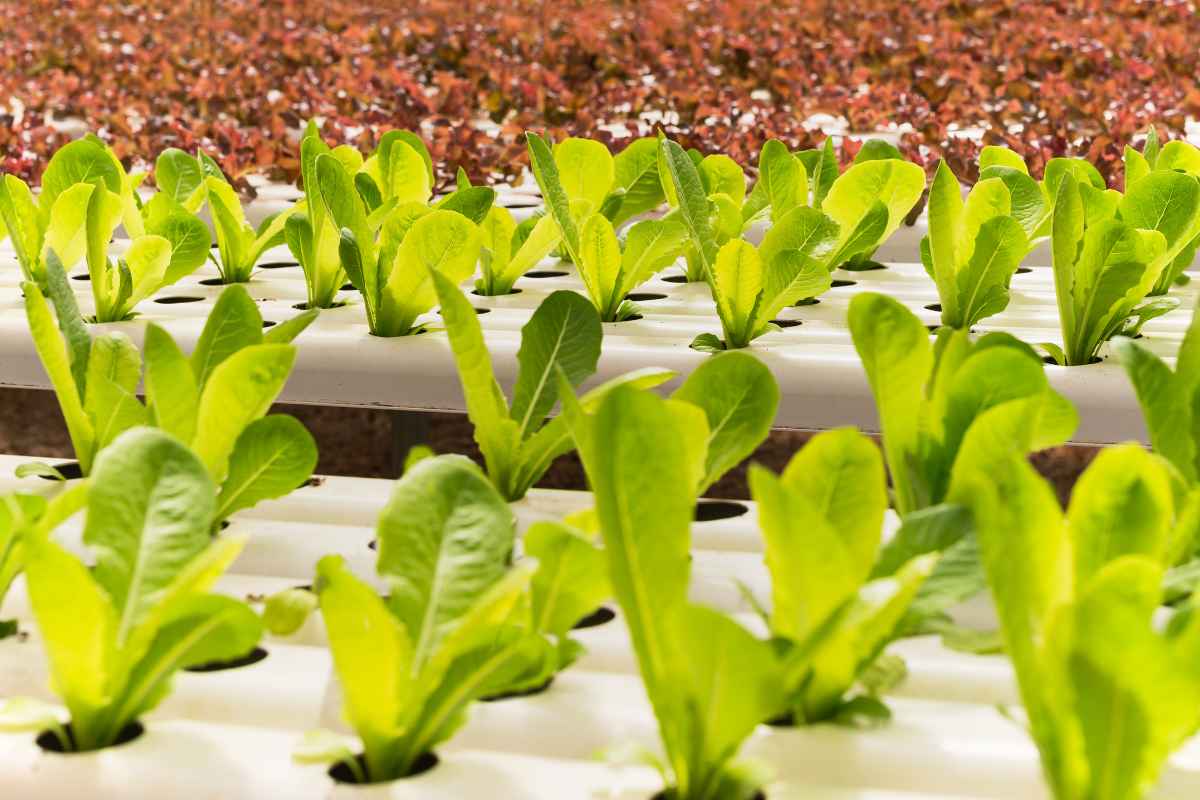
NASA has been experimenting with growing plants in space for years, and lettuce was one of the first crops chosen for experimentation. Lettuce is an ideal candidate for space farming due to its fast-growing nature, minimal space requirements, and nutritional value.
1. The Veggie Plant Growth System
NASA developed the Veggie Plant Growth System, which was the first system used to grow plants on the ISS. This system uses a hydroponic method to grow plants like lettuce in a controlled environment, inside a specially designed growth chamber. The Veggie system uses red, blue, and green LED lights to simulate sunlight and allow the plants to perform photosynthesis.
How It Works: The Veggie system uses a small growth chamber with plant pillows, which are small bags filled with a special growing medium that holds water and nutrients. The system pumps a nutrient-rich water solution to the plant roots, providing everything they need to grow. Astronauts monitor the plants closely and adjust conditions such as temperature and humidity to ensure the plants are growing optimally.
2. Plant Habitat 02 (PH-02)
Following the success of Veggie, NASA developed Plant Habitat 02 (PH-02), which takes the concept of space farming a step further. PH-02 is an advanced growing system designed to create a more natural environment for plants by providing a controlled climate and automated irrigation system.
How It Works: PH-02 uses hydroponic and aeroponic systems to grow crops without soil. It allows for automated monitoring and can adjust factors like moisture, nutrient levels, and light intensity to ensure optimal conditions for plant growth. PH-02 can accommodate a wider variety of plants and helps to gather valuable data on how plants grow in space, which is essential for future long-term space missions.
3. The Role of Lettuce in Space Farming
Lettuce is an excellent choice for growing in space because it is fast-growing, requiring only four to six weeks from seed to harvest. This quick growth cycle makes it a valuable food source for astronauts, providing them with fresh, nutritious greens that are easy to grow and harvest.
Lettuce is also rich in vitamins and minerals, such as vitamin A, vitamin K, and folate, which are essential for maintaining a healthy diet in space. Astronauts need a balanced diet to maintain their health and well-being, and having access to fresh greens, like lettuce, can make a big difference.
Tip: In addition to lettuce, astronauts also experiment with growing other crops like radishes, zinnias, and mustard greens, which provide a variety of nutrients and flavors.
The Future of Space Farming
As space exploration continues to advance, the ability to grow fresh food in space will become increasingly important. NASA is researching a wide range of crops that could potentially be grown in space, from fruits to grains, to support long-duration missions to destinations like Mars.
1. Mars Missions and Space Colonization
In the future, when humans travel to Mars or establish colonies on the Moon, space farming will be critical for sustaining life. Growing food on Mars will require innovative techniques that go beyond what is currently possible on the ISS. Plants will need to thrive in low-gravity environments with limited sunlight and harsh temperatures. Research from space farming experiments, like growing lettuce, will help lay the foundation for future food production in outer space.
2. Sustainability and Closed-Loop Systems
Space farming is also paving the way for more sustainable agriculture practices on Earth. The technologies developed to grow plants in space, such as hydroponics and aeroponics, are already being used to grow food more efficiently on Earth. These systems use less water, less land, and fewer chemicals, making them more environmentally friendly and sustainable.
Growing lettuce in space may seem like a small feat, but it has profound implications for the future of space exploration and food security. With the development of advanced systems like Veggie and PH-02, astronauts are now able to grow fresh food in space, providing them with essential nutrition and improving their overall well-being.
These breakthroughs not only support long-term missions to destinations like Mars but also contribute to more sustainable farming practices on Earth. As space farming evolves, the possibility of growing a variety of crops in space becomes a reality, bringing us one step closer to the future of interplanetary living.
Did you find this post useful or inspiring? Save THIS PIN to your GARDEN Board on Pinterest!
Emily Brooks
I’m Emily, a lifelong nature lover with dirt on my boots and a passion for all things green. I don’t claim to be a botanist; I’m just an enthusiast who believes that every backyard—no matter how small—can become a sanctuary. After years of trial and error (and more than a few wilted ferns), I’m sharing my honest journey of growing flowers and veggies. Let's learn from the seasons and grow something beautiful together!
More Gardening Tips 👇🏼👇🏼