
How to Grow and Care for the Coral Bean


Hello, how are you today? Welcome to our blog About Gardening. We hope you are very well and looking forward to a new post or Gardening Tutorial.
Today we want to share with you a special post:
The Coral Bean: Care and Growing Guide
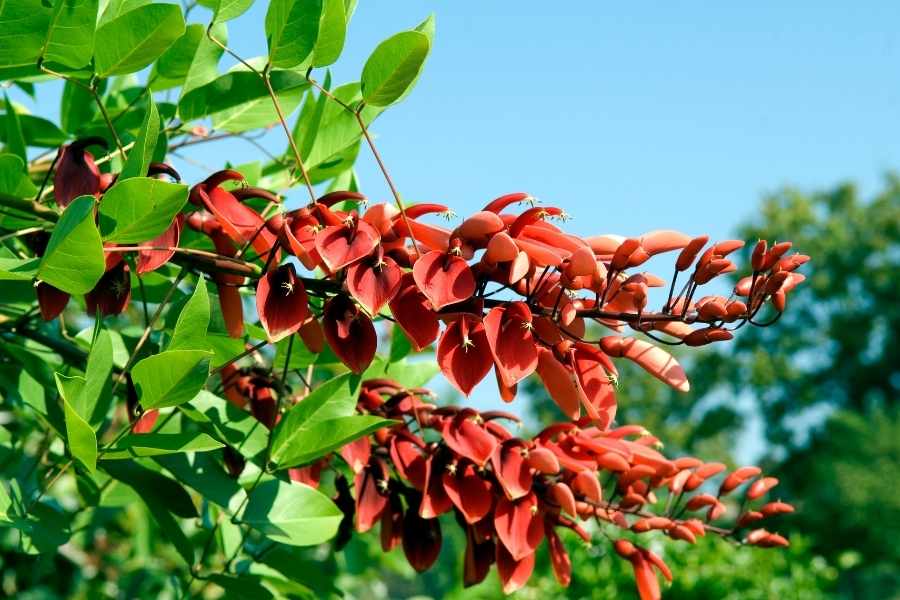
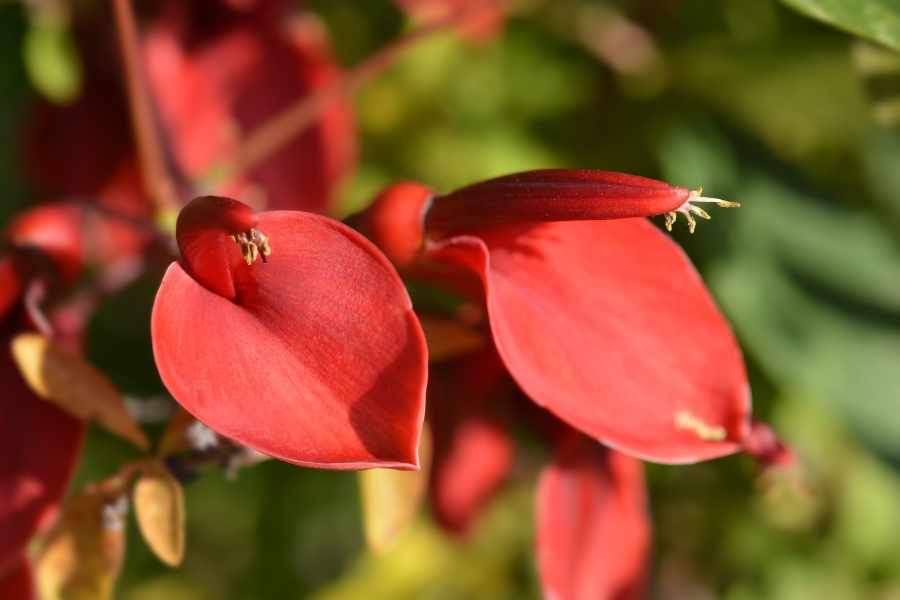
The coral bean (Erythrina herbacea) is an attractive and showy shrub that attracts interest most of the year. In spring, the coral beans are adorned with beautiful ornamental tubular flowers.
In summer and fall, the flowers grow in long pods with bright red seeds inside. These red seeds are highly toxic to humans and many animals if ingested. The coral bean foliage is heart-shaped and glossy dark green, and the trunk and branches are covered with small curved spines. The tubular flowers are also very attractive to hummingbirds, who are attracted to the sweet nectar they contain.
This shrub is easy to grow and requires little attention once established. Learn how to grow coral beans and enjoy their beauty all year round.
| Botanical Name | Erythrina herbacea |
| Common Name | Coral bean, Cherokee bean |
| Plant Type | Perennial shrub |
| Mature Size | 8-10' tall |
| Sun Exposure | Direct sun, part shade |
| Soil Type | Sandy, well-draining soil |
| Soil pH | 5.4-7.6 |
| Bloom Time | Spring |
| Flower Color | Red |
| Hardiness Zones | 8-11 |
| Native Area | United States, Mexico |
How to Grow the Coral Bean
The coral bean is a low-maintenance perennial shrub that grows in warm climates around the world but is native to Mexico and parts of the United States. Once established, coral grains require little maintenance.
It is a great addition to any garden bed or shrub border. The coral bean bush is also salt tolerant, making it a great choice for gardeners living in coastal landscapes.
Caution
The seeds are poisonous to humans if ingested. Be careful with the kids.
Light
The coral bean bush blooms most abundantly when grown in a location with full sun. However, it can tolerate spotted sun and occurs naturally along the edge of woods and woods.
Soil
Coral grains adapt to a wide variety of soil types but enjoy sandy and acidic soils. Make sure the potting medium is well-drained, as coral bean roots cannot tolerate being in the water.
Water
During the first growing season, water the coral grains once a week to help stimulate growth. This shrub does not tolerate "wet feet" and should never be left flooded. Once established, the coral bean is considered a drought-tolerant shrub and may only require supplemental watering during unusually long periods of drought.
Temperature and humidity
To survive as perennial, coral beans require warm temperatures and thrive in USDA zones 8-11. In regions that experience cold winters with freezing temperatures, coral beans can be grown annually if desired.
Fertilizer
Once established, the coral bean bush does not require regular fertilization. However, young plants benefit from spring fertilization to help boost growth. Use a balanced fertilizer like 10-10-10. This shrub also benefits from annual mulch to help retain moisture and protect the sensitive root system from cold temperatures.
Pruning
Coral grains do not require heavy pruning but do enjoy light annual maintenance and general maintenance. Don't prune during the first growing season. In the spring of the second growing season, prune dead or cold-damaged plants and trim the shape as needed.
Propagating Coral Bean
The coral bean bush can be propagated by woody cuttings and division. Semi-hardwood cuttings can be collected in late summer or early fall, once the stems are almost fully mature.
The shrub can be technically propagated by dividing the roots at any time, but best done when the coral grain is well established with overgrowth that can be easily separated.
Although coral beans can be successfully propagated by both methods, it is generally more efficient to start with a plant grown in a well-established nursery or shrub, as propagation success rates vary.
Toxicity
Coral bean seeds are highly toxic to people and many animals when ingested. Make sure children and pets stay away from coral bean bushes.
Growing from Seed
Coral bean seeds can be purchased at a nursery or garden center or collected directly from the plant. The seeds can be collected in late summer or early fall. Be sure to always wear protective gloves when handling coral bean seeds, as the attractive red seeds are poisonous!
To help increase germination rates, coral bean seeds benefit from scarification. Plant the seeds in the ground when spring temperatures are consistently high. If you are planting multiple shrubs together, make sure the seeds are spaced three to five feet when sowing.
Enjoy This Video Tutorial About Coral Bean
Source: Vivero Growers Nursery
Did you find this post Useful or Inspiring? Save THIS PIN to your GARDENING Board on Pinterest! 😊

Once again, thank you for visiting our website!
We hope you've enjoyed exploring the content we've created for you.
Give yourself the chance to learn, get inspired, and have even more fun, keep browsing...
More Gardening Tips 👇🏼👇🏼