
How to Grow Garlic in Your Fall Vegetable Garden

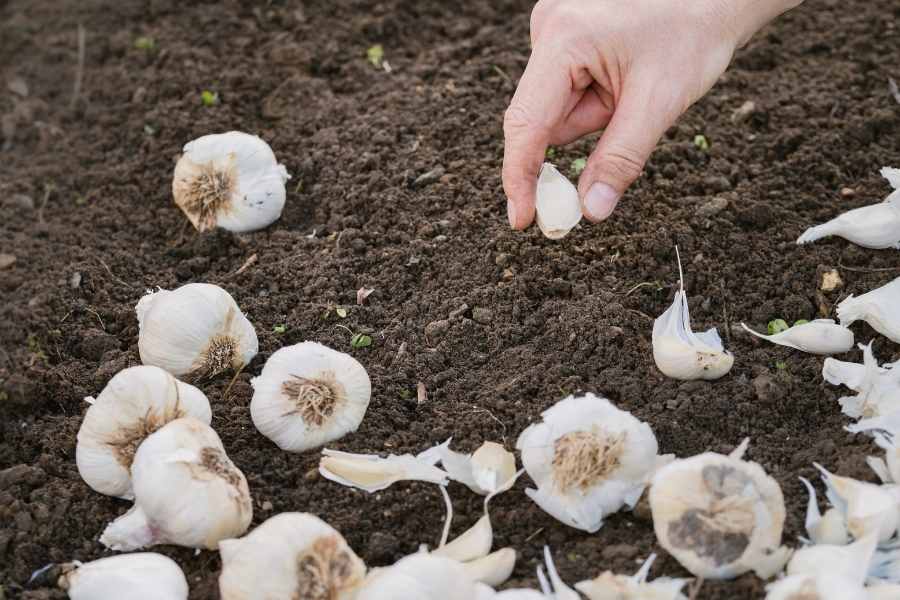
Garlic is well known for its culinary gifts, but this relative of onions and leeks is also a treat for gardeners. Easy to plant and low maintenance, it only requires simple weeding and patience in exchange for many flavor and wellness enhancers.
And the flavor and diversity of homemade garlic is very rewarding. Here's how to grow garlic and expert plant care tips to help you get the most out of your growing season.
How to plant garlic
Reserve your garlic seed from a reputable grower well before planting in the fall, as they tend to run out. You should only use plump, flawless cloves. Since the growth of these sections of the bulb is essentially known as cloning, large blackheads generate equally large blackheads. Plant the smaller ones in spring for a green garlic crop.
What is cloning?
Cloning, in the context of gardening, refers to the reproduction of a plant using a small part of the original plant, rather than sexual reproduction, such as seeds. Gene splicing and laboratory or laser microscopes are not necessary to clone plants.
Choose organic and locally grown garlic, as imports can be sprayed with chemicals to inhibit germination. Note that typical garlic found in supermarkets is adapted to California growing conditions and may not reproduce as easily in your region.
Also, supermarkets generally only offer a basic soft-neck variety. Ordering special garlic allows you to choose from many types according to your personal taste and growing conditions.
Location
Choose a location with full sun and well-drained soil and lots of organic matter. This allows the bulb to grow freely. Garlic is a pest repellent, which is why the National Gardening Association recommends planting it around the edge of your garden or near lettuce, eggplant, cabbage, broccoli, or tomatoes. Do not plant near legumes like peas or beans, as they can inhibit the growth of others.
Growing from "Seed"
If you allow a garlic plant to reach full maturity and develop an escape (a twisting stem, which is often eaten in its own right), the plant will produce tiny cloves called bulbils, which function as seeds.
These can be planted in the following season; however, they take two to three years to reach maturity and will need a tasty mulch for most of that time. It is an inexpensive but very slow process.
When to plant
Garlic requires a cold climate to form its bulb. Sowing time differs according to climatic zones: sowing in colder zones takes place in September, zones 5-9 in October, and zones 9-10 from late October to December, according to Gray Duck Garlic.
This time allows the carnation to take root before cold weather slows growth or causes the plant to go dormant for the winter.
When cold weather begins, mulch around the plants. The University of Massachusetts Agricultural and Landscape Extension Program recommends using straw or pine needles to isolate bulbs when cold weather begins; then when the green tips start to appear in spring, push in the mulch to facilitate growth, but still block weeds.
You can plant garlic in early spring for a "green garlic" crop before the bulb snaps. The flavor is light and delicious, with less sting than ripe garlic.
Growing from a carnation
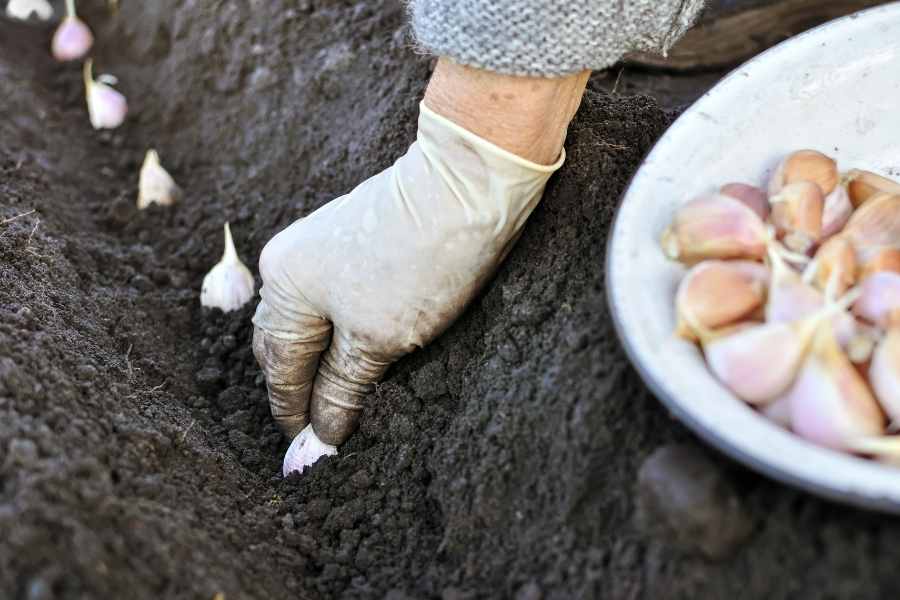
After selecting the type of garlic and preparing the soil, the rest is easy. Before planting, break the head of garlic into individual cloves and select the largest ones. Do not peel off the paper cover. Plant the root end of each carnation down and the pointed end up, deep enough to cover it and 4 to 6 inches apart (in heavier soil, the bulbs grow another 6 inches apart).
Enjoy This Video Tutorial About How to Grow Garlic in Your Fall Vegetable Garden
Source: Gary Pilarchik (The Rusted Garden)
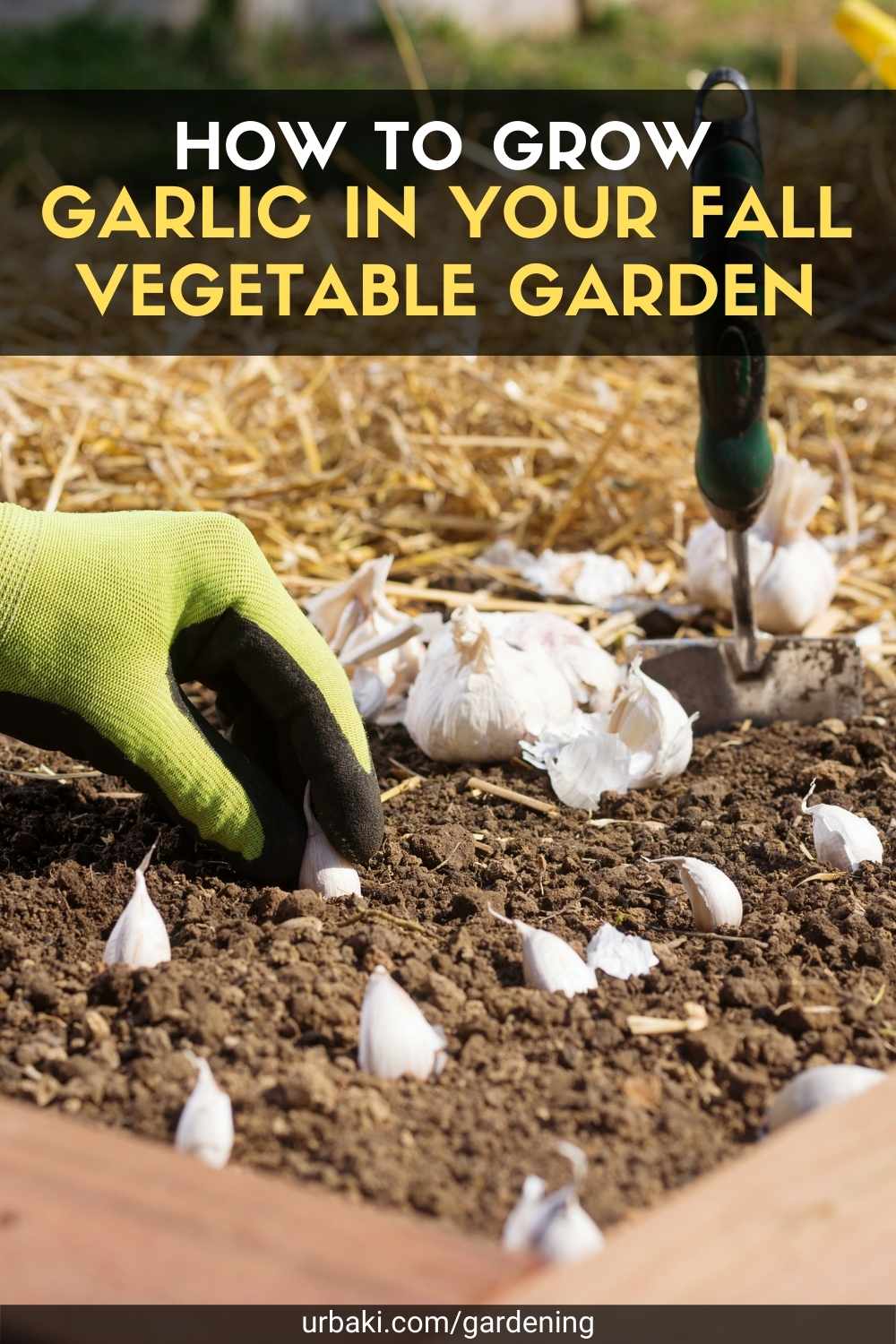
Did you find this post Useful or Inspiring? Save THIS PIN to your GARDENING Board on Pinterest! 😊
Once again, thank you for visiting our website!
We hope you've enjoyed exploring the content we've created for you.
Give yourself the chance to learn, get inspired, and have even more fun, keep browsing...
More Gardening Tips 👇🏼👇🏼