
How to Grow Ornamental Pepper


How to Grow Ornamental Pepper is a rewarding project if you love compact plants covered in jewel-like fruit.
In this guide we explain care basics, indoor tips, container ideas, and whether you can eat the peppers—then we point you to the original video tutorial for a closer look.
What Makes Ornamental Peppers Special?
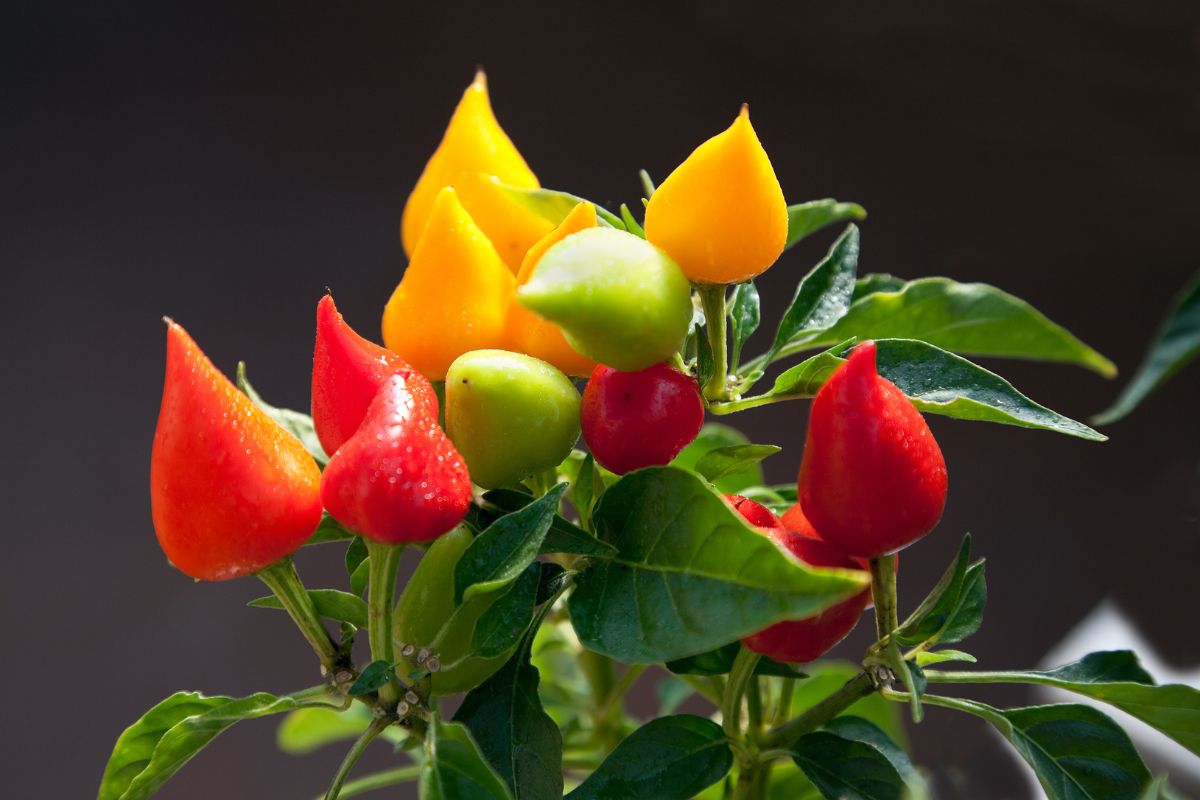 Ornamental peppers (Capsicum annuum selections) are bred for vivid color and a tidy habit rather than culinary use.
Plants often carry dozens of upright fruits that mature through cream, lavender, orange, and red. Many varieties show striking foliage that pairs well with annuals and herbs.
Because they stay small, an ornamental pepper plant is perfect for patios, windowsills, and mixed planters. You’ll find compact selections that top out at 6–12 inches, plus larger types suited to porch pots and borders.
Expect months of color. As fruits ripen at different times, you get a continual display—especially notable in red and purple peppers that pop against green leaves.
How to Grow Ornamental Peppers: Light, Soil, Water
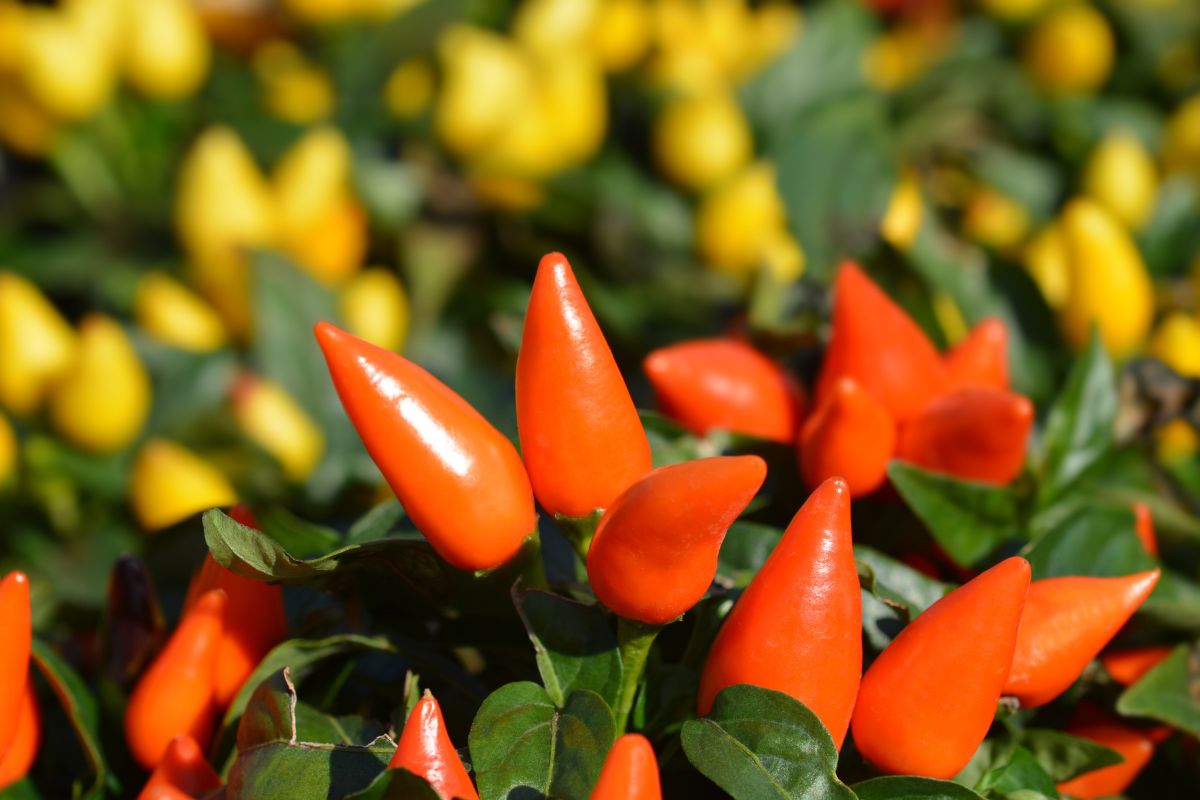 If you’re wondering how to grow ornamental peppers successfully, start with sunlight.
Give them 6–8 hours of direct light outdoors; indoors, place them in the brightest south- or west-facing window you have or add a small grow light.
Use a fast-draining potting mix enriched with compost. Keep soil evenly moist but never soggy; water when the top inch is dry.
Warmth matters—peppers slow down below 60°F (15°C). Feed every 2–3 weeks with a balanced, water-soluble fertilizer to support constant blooming and fruiting.
Pinch early growth once to encourage branching. Remove spent leaves and deep-water during heat waves to reduce stress and keep fruiting consistent.
How to Grow Ornamental Peppers Indoors
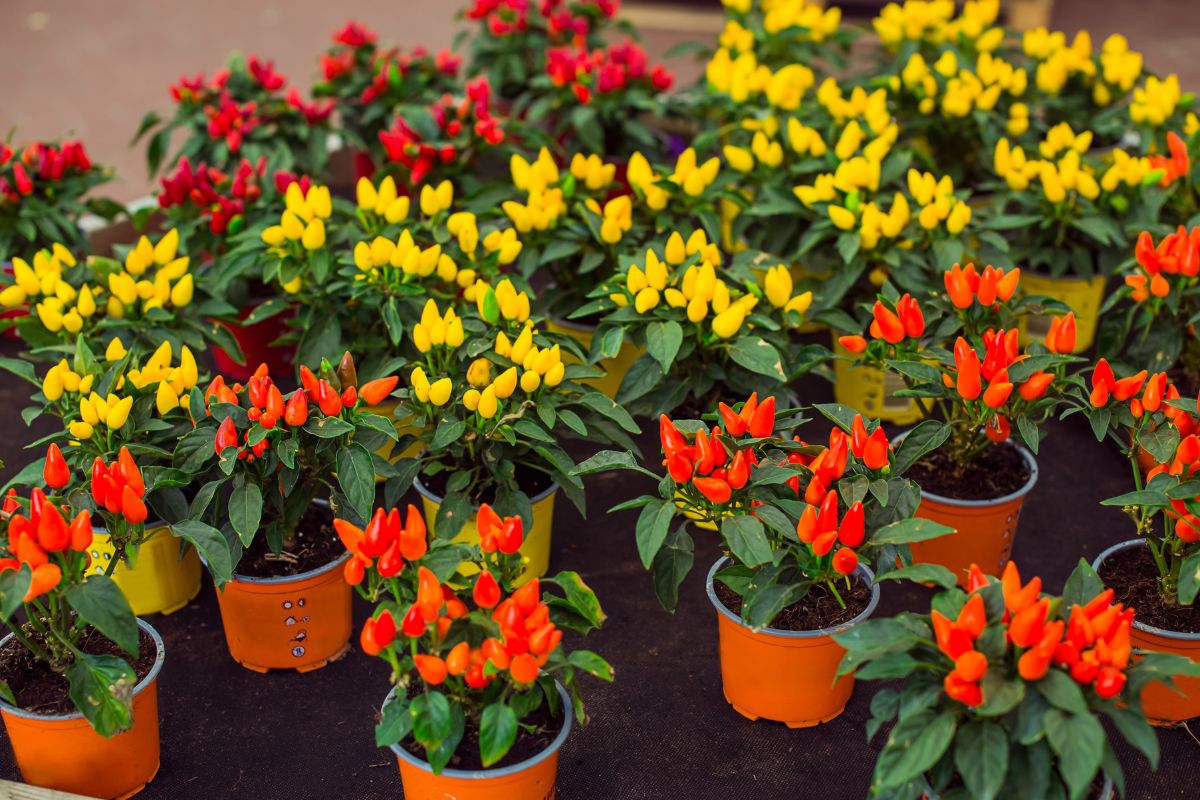 Many gardeners ask about how to grow ornamental peppers indoors. Choose a 6–8 inch pot with drainage and set the plant right at a bright window.
Rotate the container weekly so fruits color evenly, and run a small fan occasionally to strengthen stems.
Indoors, temperature swings are minimal, so flowering is steady. If buds drop, increase light intensity and slightly raise humidity.
A thin layer of decorative gravel helps reduce fungus gnats while showcasing the colorful fruit.
When days lengthen, harden plants off and move them outdoors for stronger sun. This “summer vacation” boosts vigor for a second flush of fruit in late season.
Fall Containers & Design Ideas
For autumn décor, try an ornamental pepper plant fall containers theme. Combine peppers with mums, ornamental kale, and trailing ivy. Their upright fruits add texture that balances the rounded shapes of chrysanthemums.
Stick to a palette—lavender foliage with colorful ornamental peppers, or a classic harvest mix of oranges and reds.
Use odd numbers of plants and vary heights to create a simple, high-impact display that lasts through the season.
Varieties and Looks to Try
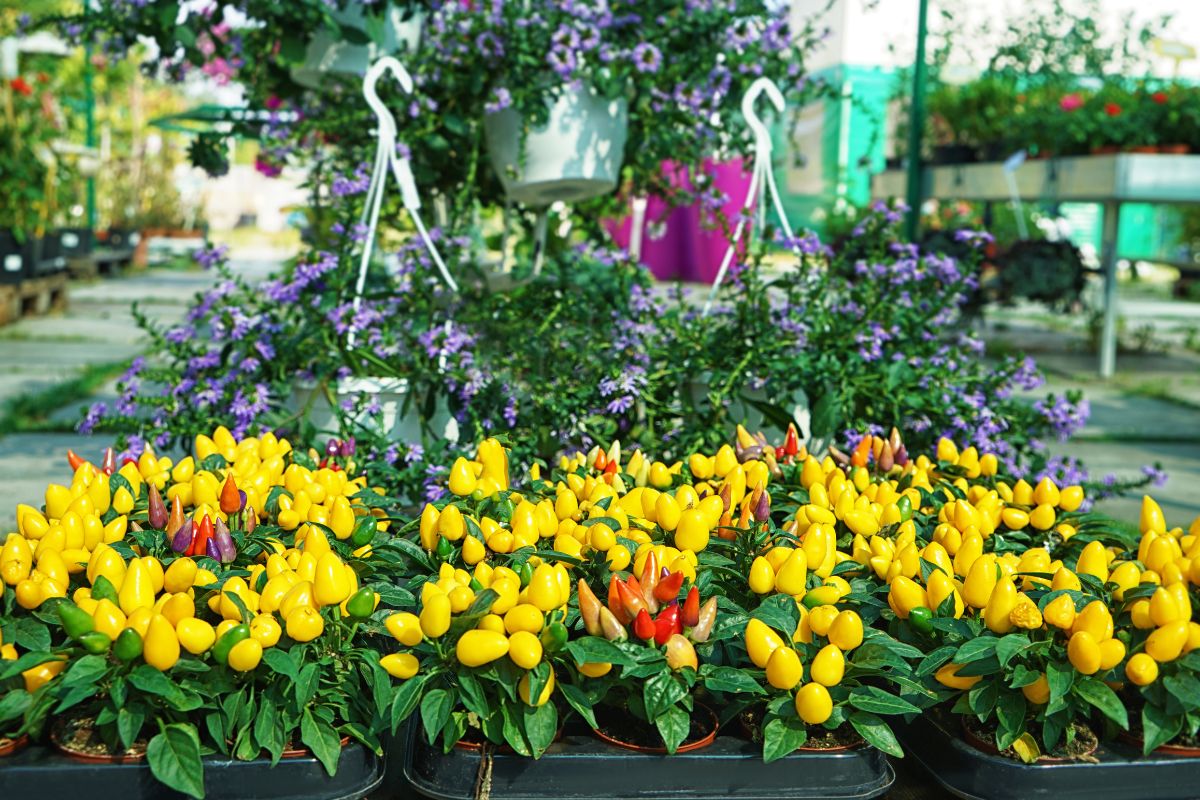 There are many different types of pepper plants grown for ornamental use: marble-like berries, candle-shaped chilies, and multicolor clusters.
Mix forms for contrast, or plant a single variety en masse for a tidy, modern aesthetic.
Expect fruits to transition through multiple hues. That’s why a single plant can show cream, yellow, lilac, and scarlet all at once—ideal for porch pots that need continuous interest.
Harvest & Edibility: Can You Eat Them?
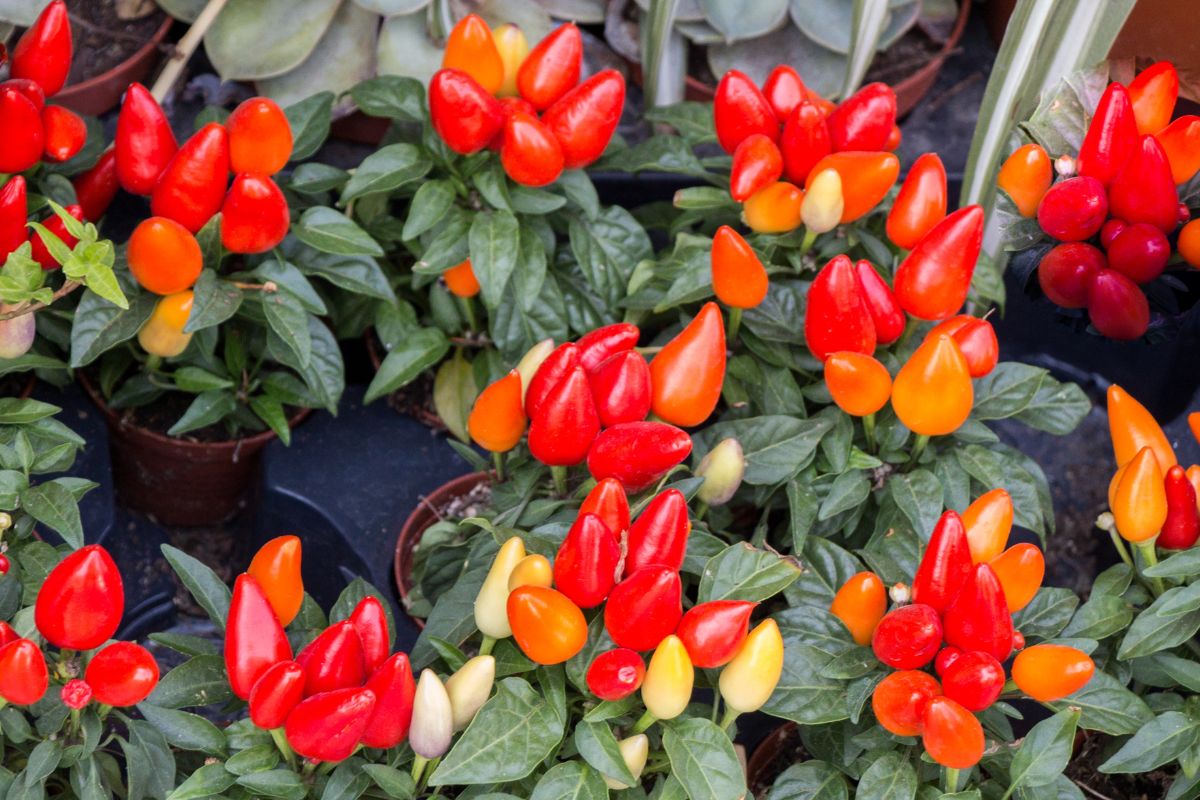 A common question is, can you eat ornamental peppers? Technically yes—most are edible Capsicum—but they’re often very hot and can taste bitter compared with culinary chilies.
If you do sample, start small and avoid seeds.
Leave most fruits on the plant for display; that’s where they shine. If you want a colorful bell peppers harvest for the kitchen, grow true bell pepper cultivars alongside your ornamentals to get sweetness and thick walls for cooking.
Where to Find Plants & How to Choose
Nurseries and online shops list ornamental peppers for sale each spring and again in late summer for fall décor.
Look for compact varieties if you’re planting indoors, and choose disease-free transplants with fresh foliage and plenty of buds.
When shopping, check tags for mature size and sunlight needs. Match the plant to your space to reduce maintenance and keep the display dense and colorful.
Attribution
This article summarizes key takeaways from a third-party YouTube tutorial. The full credit for the technique, visual walkthrough, and original presentation belongs to the video’s creator.
Enjoy This Video Tutorial About Plant Vegetables
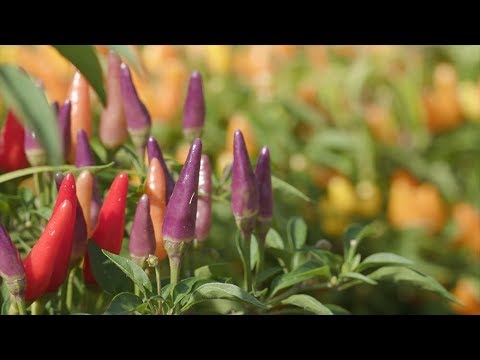
Source: MissStateExtension
Don’t forget to Subscribe to our Newsletter to receive amazing tips and tricks about Gardening and the FREE Ebook Green Living Strategies!
Did you find this post Useful or Inspiring? Save THIS PIN to your GARDENING Board on Pinterest! 😊

Once again, thank you for visiting our website!
We hope you've enjoyed exploring the content we've created for you.
Give yourself the chance to learn, get inspired, and have even more fun, keep browsing...
More Gardening Tips 👇🏼👇🏼