
How to Grow Pink Princess Philodendron: Care Tips for Bright Pink Leaves


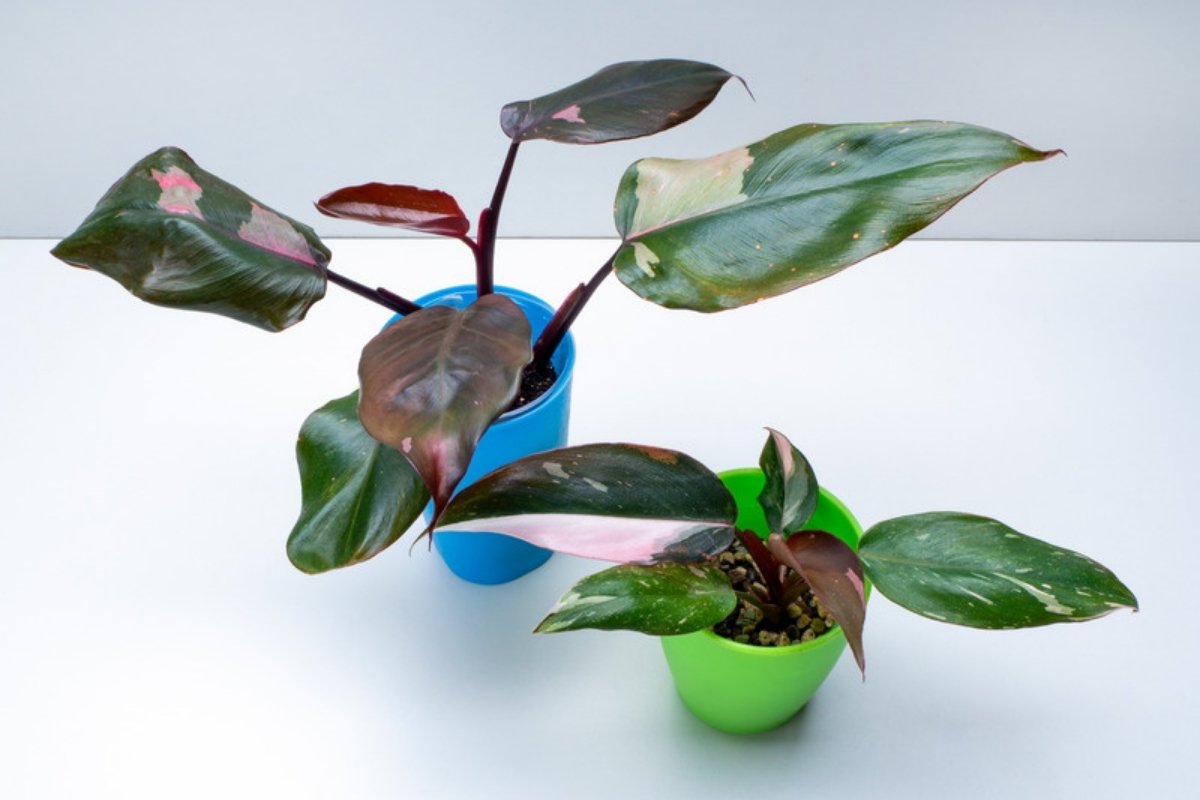
The Pink Princess philodendron (Philodendron erubescens 'Pink Princess') sits at the top of many plant collectors' wish lists, and it is easy to see why. Its heart-shaped, glossy leaves are dark green, almost black, and splashed with bubblegum pink. No two leaves come out with the same pattern.
The good news is that, like most plants in the philodendron genus, it is not a fussy houseplant. Get the light and watering right and it grows steadily. The part that needs a bit more attention is keeping that pink variegation, and that is what most of the tips below are about.
Where the Pink Princess Comes From
'Pink Princess' is a cultivar of Philodendron erubescens, the blushing philodendron, a species native to the rainforests of Colombia. In the wild it is a climbing vine that scrambles up trees. Indoors the species usually stays around 3 feet tall, and a young plant grows as a compact shrub before it starts to climb. Expect a moderate growth rate.
Because it is a climber, it does best with something to hold on to. A moss pole or a sturdy stake pushed into the pot gives it support and keeps it upright.
Light: Bright but Indirect
Light is the single biggest factor for this plant. Give it bright, indirect light, such as a spot a few feet back from an east- or west-facing window, or next to a window with a sheer curtain. Direct, hot sun can scorch the leaves, and the pink sections are the most sensitive because they have little or no chlorophyll.
Too little light causes the opposite problem: the stems stretch toward the window, and many growers notice new leaves coming out greener.
Watering and Soil
Water when the top 2 inches (about 5 cm) of soil feel dry, then water thoroughly and let the excess drain out. Empty the saucer so the pot never sits in water. Overwatering is the most common way to lose a philodendron, since soggy soil leads to root rot.
Use a well-drained potting mix that is rich in organic matter. A standard houseplant mix lightened with some orchid bark or perlite works well, and a pot with drainage holes is a must.
When you water, aim at the soil rather than the leaves. Keeping the foliage dry helps prevent leaf spot diseases.
Temperature, Humidity and Feeding
This is a tropical plant that likes temperatures between 65 and 85°F (18–29°C). Keep it away from cold drafts, air-conditioning vents and windows that get chilly in winter. Outdoors it is only hardy in USDA zones 10 to 12.
It prefers high humidity. Grouping it with other houseplants is an easy way to raise the humidity around the leaves, especially in winter when heating dries the air.
Feed it about once a month during spring and summer with a water-soluble houseplant fertilizer, following the label directions. Cut back in winter, when growth slows.
How to Keep the Pink Variegation
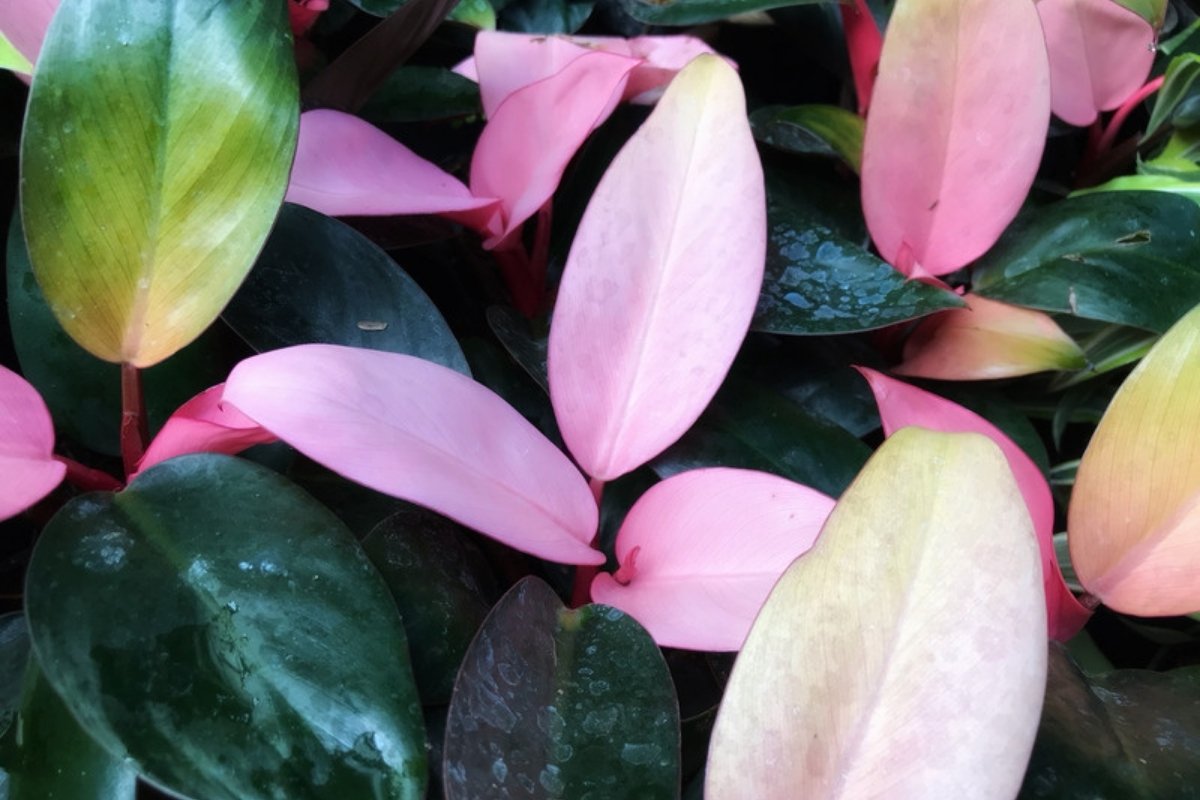
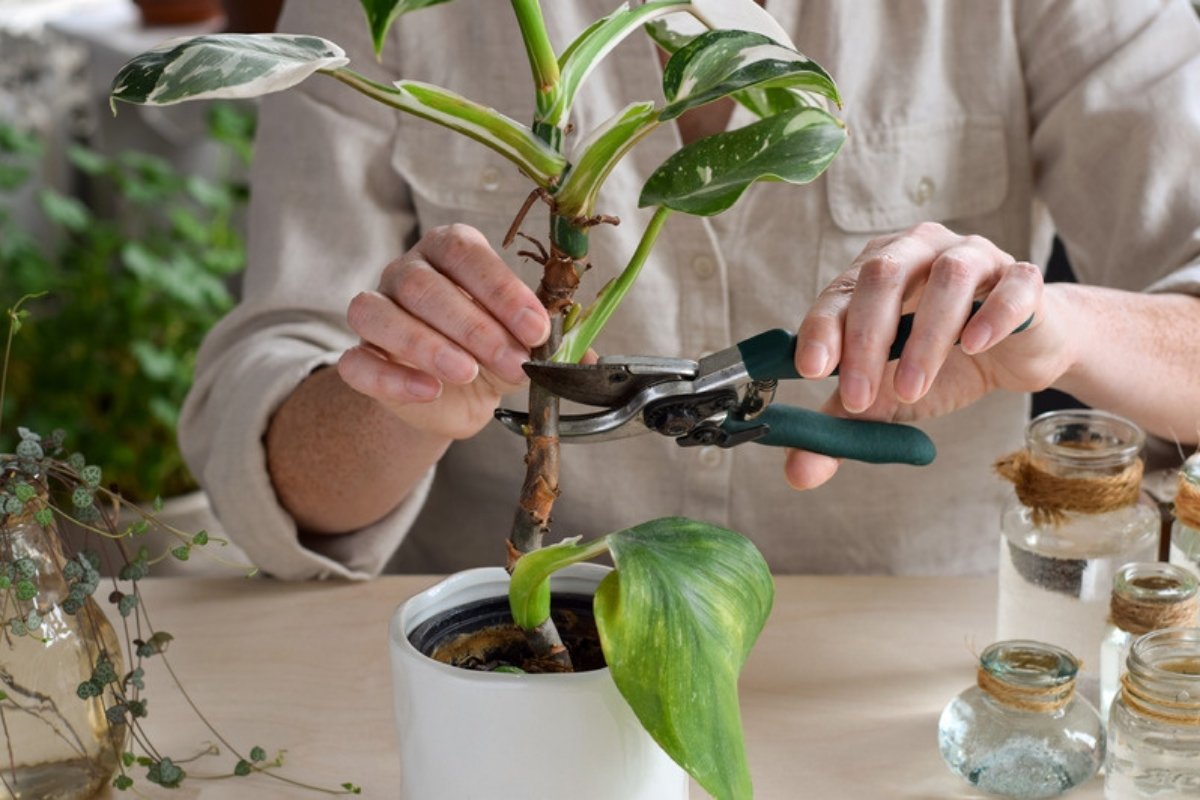
The pink pattern is not fixed, and the plant can drift back toward plain green leaves over time. You can steer it with pruning: cut the stem just above a leaf that has good variegation, and the new growth from that point is more likely to keep the pink. If you would rather have a fuller, bushier plant, prune just above a node instead.
How to Propagate Pink Princess Philodendron
Stem cuttings are the easiest way to make new plants. Take a cutting with at least one leaf and one node (the bump on the stem where leaves and roots grow from). You can root it in water or plant it straight into moist potting mix. Roots usually form in about 4 to 5 weeks. If you plant it in soil, covering the pot loosely with a clear plastic bag helps keep the humidity up while it roots.
Common Problems
Check the undersides of the leaves now and then. Spider mites, mealybugs, aphids, scale insects and thrips can all attack philodendrons. Catching them early and wiping or rinsing the leaves usually keeps them under control.
If the soil stays wet for days and the plant looks limp, water less often, because overwatering leads to root rot. Brown, scorched patches on the leaves are more often a sign of too much direct sun.
Keep the plant out of reach of pets and small children. Like other philodendrons, it contains calcium oxalate crystals that irritate the mouth and stomach if chewed, and the sap can irritate skin.
Quick Care Guide
- Botanical name: Philodendron erubescens 'Pink Princess'
- Light: Bright, indirect light; no hot direct sun
- Water: When the top 2 inches of soil are dry
- Soil: Well-drained mix rich in organic matter
- Temperature: 65–85°F (18–29°C), away from cold drafts
- Humidity: High
- Feeding: Monthly in the growing season
- Propagation: Stem cuttings with a leaf and a node
- Toxicity: Toxic to pets and people if eaten
Watch: How to Grow Philodendron "Pink Princess"
Source: LogeesPlants
Frequently Asked Questions
Why is my Pink Princess turning all green?
The variegation is unstable, so some leaves come out mostly green, and low light seems to make it more likely. Move it to brighter, indirect light and prune back to a leaf with good pink variegation.
Can a Pink Princess philodendron grow outdoors?
Only in warm climates (USDA zones 10 to 12), in a shady or dappled spot out of direct sun. Elsewhere it can spend the warm months outside in a shady spot sheltered from wind and come back indoors before the nights turn cool.
More Gardening Ideas
- Why Do Philodendron Stems Elongate and Go Leafless?
- Sun Safety for Houseplants: Tips to Prevent Leaf Burn
- Best Houseplants for North-Facing Windows
Did you find this post Useful or Inspiring? Save THIS PIN to your GARDENING Board on Pinterest!

More Gardening Tips 👇🏼👇🏼