
How to Grow Pomegranate Trees


Pomegranate trees (Punica granatum) are cherished for their vibrant, antioxidant-rich fruit and striking ornamental appeal. Whether grown as a compact shrub or a small tree, they are relatively easy to maintain in warm climates and add a touch of elegance to any garden.
Features and Characteristics
Pomegranates are versatile plants, ranging from 3-foot dwarf varieties to towering trees that can reach 30 feet. Most commonly, they grow as 12-to-16-foot shrubs with a rounded shape. In cooler areas, they shed their leaves in winter, while in warmer climates, they remain evergreen. Their glossy foliage and bright red, tube-shaped flowers attract pollinators such as hummingbirds, making them as practical as they are beautiful.
The tree’s bark has a reddish-brown hue, and its branches often bear thorns. Young plants thrive in sunny, warm areas, making them ideal for spots that may overwhelm more delicate species. These trees can tolerate some drought, though consistent care ensures a better harvest.

Planting Pomegranate Trees
When planting, loosen the soil to promote root growth and ensure good drainage. Spacing depends on your purpose: for hedges, plant trees 6 to 9 feet apart; for fruit production, allow at least 15 feet between trees. Spring is the best time to plant, once the danger of frost has passed.
Essential Care Tips for Healthy Growth
Optimal Light Conditions
Pomegranates flourish in full sun. For abundant fruit production, they require at least six hours of direct sunlight daily. While partial shade may suffice, a sunnier location ensures better yields.
Ideal Soil Requirements
These trees are remarkably adaptable to various soil types, from clay to sandy loam. However, well-drained soil is essential. Slightly acidic to neutral soil (pH 5.5 to 7) works best, but pomegranates can also tolerate alkaline conditions.
Watering Guidelines
While drought-tolerant, consistent watering boosts fruit quality. Deeply water every two to four weeks during dry spells, especially for young trees. Avoid overwatering, as it can lead to fruit cracking and susceptibility to fungal diseases.
Temperature Preferences
Pomegranates thrive in USDA zones 7 to 10, enjoying hot summers and cool winters. They perform best in temperatures above 85°F during the growing season. Some cultivars tolerate temperatures as low as 10°F, making them suitable for a range of climates. If your area experiences severe frosts, consider planting in containers to move them indoors during cold spells.
Fertilization Needs
Fertilize young trees twice annually, in spring and fall, for the first two years. Established trees typically require minimal feeding. Over-fertilization can harm fruit production, so err on the side of caution.

Popular Varieties
Explore these cultivars to find the best fit for your garden:
- ‘Nana’: A dwarf variety reaching 4 feet, ideal for small spaces and cold-hardy to zone 7.
- ‘Sweet’: Known for its early harvest and exceptionally sweet flavor.
- ‘Wonderful’: The most popular U.S. cultivar, producing large, flavorful fruits late in the season.
Harvesting and Storing
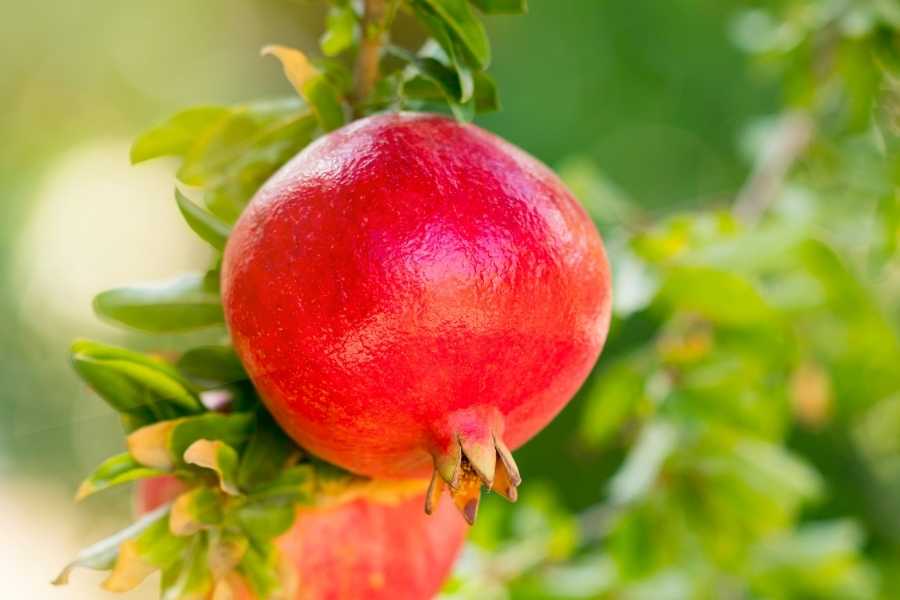
Pomegranates typically bear fruit after two to three years. You’ll know they’re ready to pick when their color deepens, the skin develops a slightly dull sheen, and the shape turns from round to hexagonal. A metallic sound when tapped is another indicator of ripeness.
Use pruning shears to cut the fruit from the tree rather than pulling it off. Store harvested fruit at 32°F to 40°F for extended freshness.
Pruning Practices for a Thriving Tree
Prune young trees to encourage strong branches and better air circulation. This practice also supports healthier fruit development. Remove suckers and dead or diseased wood annually. Thinning out excess fruit ensures that the remaining ones grow larger and reduces the risk of branches breaking under their weight.
Propagating Trees
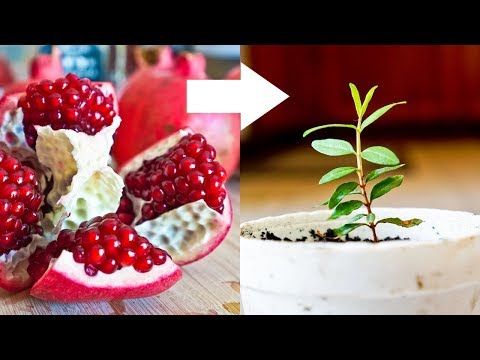
Propagation is best achieved using hardwood cuttings during winter. Trees grown from seed may not produce fruit true to the parent variety, making cuttings the preferred method.
Managing Pests and Diseases
Pomegranates are resilient, with few serious pest or disease issues. Occasional pests include scales, aphids, whiteflies, and thrips. Maintaining healthy trees minimizes problems, but if necessary, organic solutions like neem oil can help.
Fungal issues such as leaf spots or fruit rot are rare but can occur in overly wet conditions. Proper drainage and careful watering practices mitigate these risks.
Pomegranate trees are not only a source of delicious, nutritious fruit but also a striking addition to your garden’s landscape. With proper care and attention, these versatile plants will reward you with years of beauty and bountiful harvests.
Enjoy The Video
Source: Daisy Creek Farms with Jag Singh
Did you find this post Useful or Inspiring? Save THIS PIN to your GARDENING Board on Pinterest! 😊

Once again, thank you for visiting our website!
We hope you've enjoyed exploring the content we've created for you.
Give yourself the chance to learn, get inspired, and have even more fun, keep browsing...
More Gardening Tips 👇🏼👇🏼