
How to Save a Basil Plant - Nursing it Back from Wilting

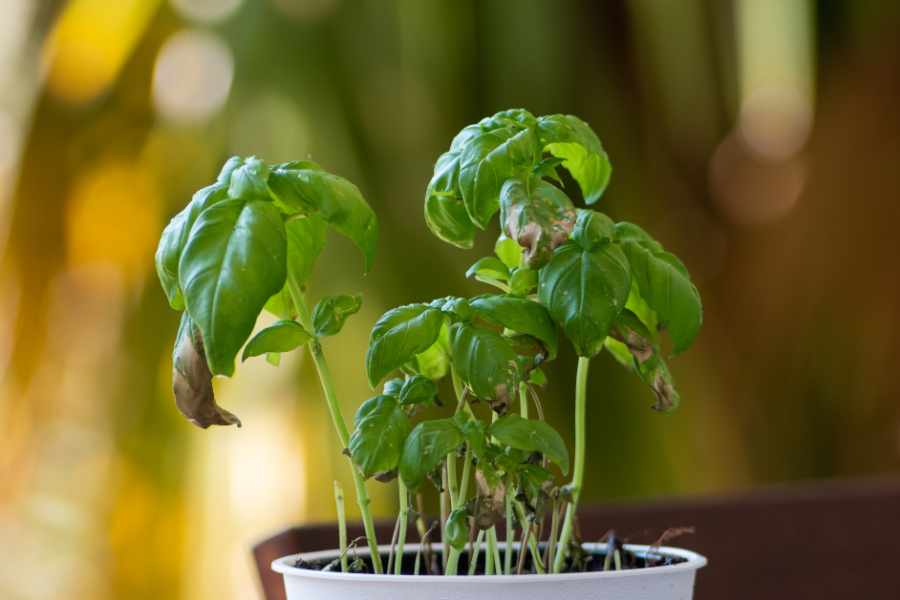
With its delightful aroma and culinary versatility, Basil is a cherished herb in many kitchens and gardens.
However, even the most attentive gardeners may encounter a wilted and struggling basil plant at some point.
If you find your beloved basil plant on the brink of wilting and fading away, fear not! With the right care and attention, you can nurse it back to health and revive its lush green leaves.
Let's explore the essential steps to save a basil plant and bring it back to its vibrant glory.
Assessing the Situation
Before diving into the rescue plan, it's essential to assess the condition of your basil plant.
Wilting and drooping leaves are usually a sign of dehydration, but it's crucial to rule out other potential issues like pest infestations, nutrient deficiencies, or root rot.
Carefully inspect the plant, examining both the leaves and the soil, to identify any underlying problems.
Watering with Precision
Overwatering or underwatering can both lead to a wilting basil plant.
Finding the right balance is key to its recovery. When watering, ensure that the soil is well-draining to prevent waterlogged roots.
Stick your finger into the soil about an inch deep; if it feels dry, it's time to water.
Give the plant a thorough soak, allowing excess water to drain away.

The Resuscitation Soak
To provide your basil plant with a much-needed boost, you can perform a resuscitation soak.
Fill a basin or sink with water and gently immerse the entire pot, allowing the plant to absorb moisture through its roots.
Let it soak for about 30 minutes, ensuring that the soil is thoroughly moistened.
After the soak, allow the excess water to drain away completely.
Pruning for New Growth
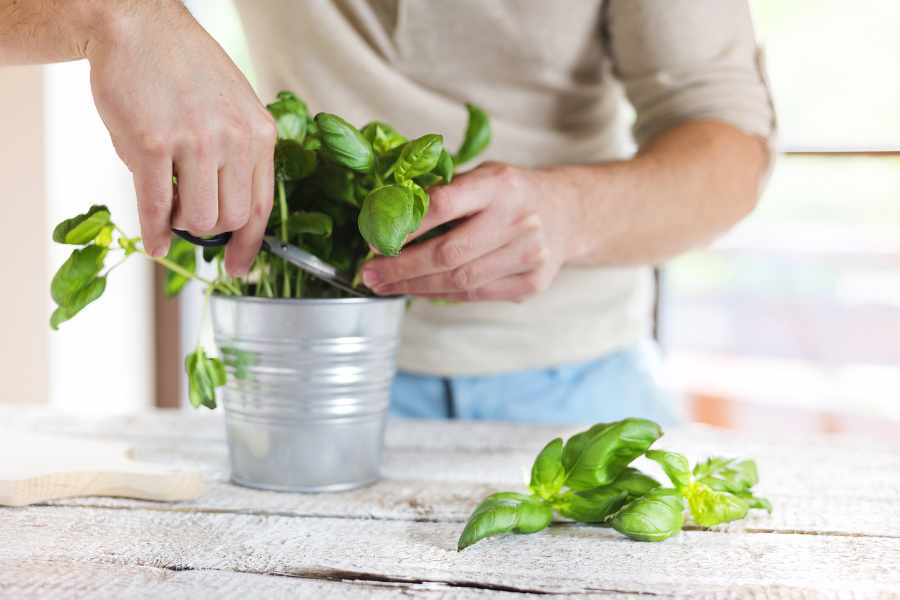
Trimming back the wilted and yellowing leaves can encourage fresh growth.
Use clean and sharp scissors to snip off the damaged leaves, making clean cuts just above the leaf nodes.
Basil is a fast-growing herb, and this pruning will redirect the plant's energy toward producing new, healthy foliage.
Providing Adequate Light
Basil thrives in bright sunlight, so ensure that your plant is receiving enough light during the day.
If it's an indoor basil plant, place it near a sunny window where it can get at least 6-8 hours of sunlight daily.
For outdoor basil plants, choose a sunny spot in the garden to allow them to bask in the natural light.
Feeding with Fertilizer
Nutrient deficiencies can contribute to a weakened basil plant.
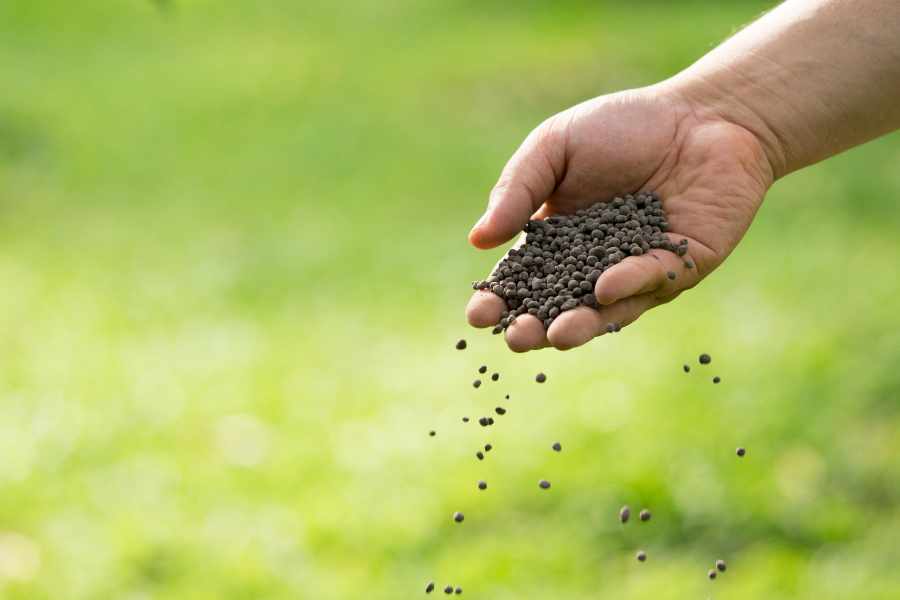
Consider fertilizing your plant with a balanced, water-soluble fertilizer to provide it with essential nutrients.
Choose a fertilizer with equal amounts of nitrogen, phosphorus, and potassium to promote healthy growth.
Mulching for Moisture Retention
Applying a layer of organic mulch around the basil plant can help retain soil moisture and regulate temperature.
Mulch also prevents weed growth and provides essential nutrients as it breaks down.
Use materials like straw, dried leaves, or compost as mulch, being mindful not to bury the basil's stem.
Protection from Pests
Pests can further stress an already weakened basil plant. Regularly inspect the plant for any signs of pest infestations and take appropriate measures to control them.
Neem oil or insecticidal soap can be effective natural remedies for common basil pests like aphids or spider mites.
Patience and Consistency
Reviving a wilting basil plant takes time and consistent care.
Continue to monitor the plant's progress and make adjustments to its care as needed.
With patience and dedication, you'll see new shoots and healthier leaves emerging, signaling that your basil is well on its way to recovery.
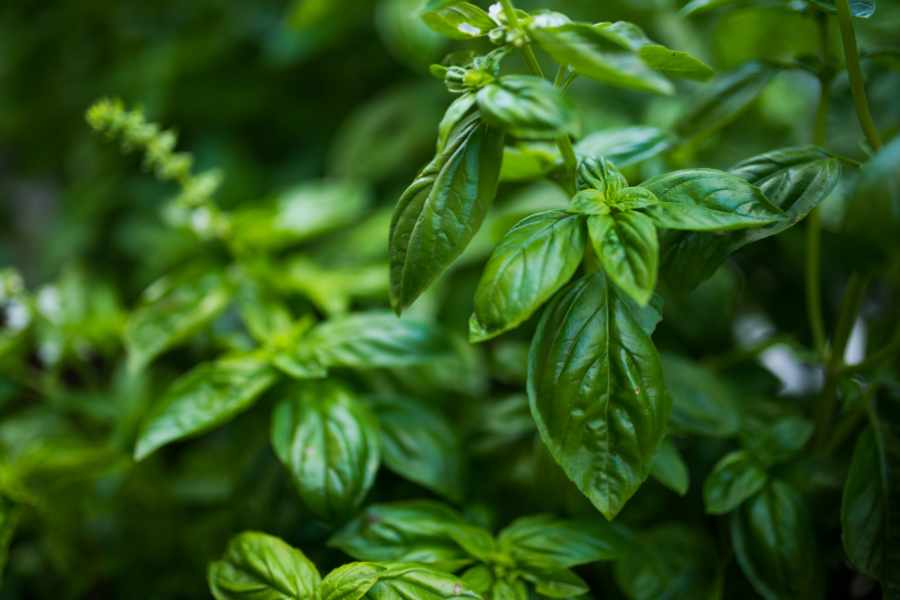
Saving a wilting basil plant requires a combination of proper watering, light, and nutrient care.
With your tender attention and a bit of plant care know-how, you can nurse your basil plant back to life and once again enjoy the aromatic and flavorful leaves in your culinary creations.
We hope you enjoy this video about Basil Recovery
Source: Gardeningat58N
Did you find this post Useful or Inspiring? Save THIS PIN to your GARDENING Board on Pinterest! 

Once again, thank you for visiting our website!
We hope you've enjoyed exploring the content we've created for you.
Give yourself the chance to learn, get inspired, and have even more fun, keep browsing...
More Gardening Tips 👇🏼👇🏼