
Natural Home Wasp Repellant Tips


If you are looking to get rid of unwanted wasps, you will be delighted to know that there are some natural wasp repellants that actually work to get rid of these unwanted pests in your home.
Nobody wants wasps to sting them, and these repellants will keep them at bay all spring and summer.
Some of these tips for repelling home wasps include preventing wasps from visiting and nesting, while others will show you how to get rid of wasps and existing nests.
Follow one or all of these tips to get rid of those pesky mistakes.
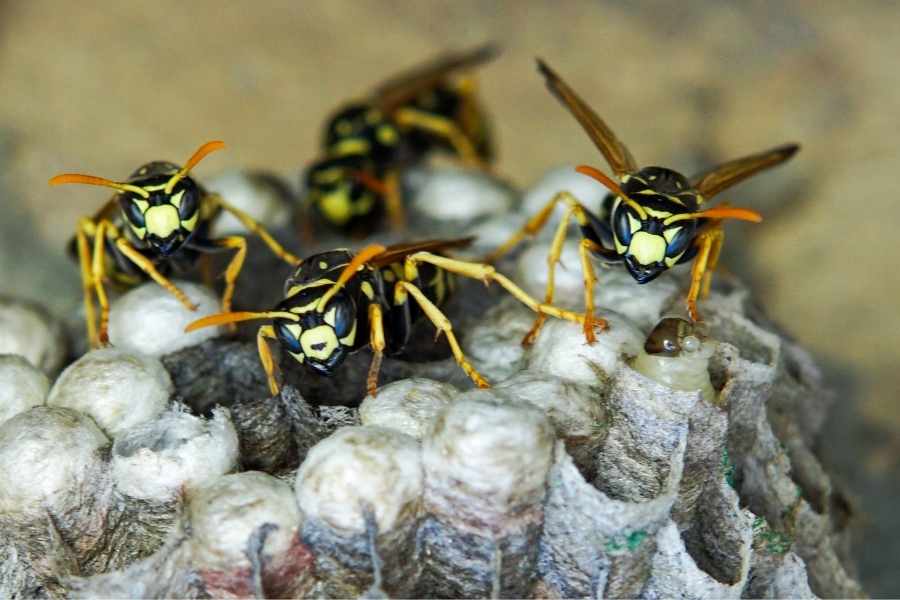
Get rid of unwanted food
Before you start killing wasps, you need to do a few things to prevent wasps from invading your space. First, remove food scraps or crumbs from the outside area of your home.
Wasps love protein, so their barbecue is an area they love to visit. Keep it very clean to keep wasps away.
Wasps also love sugary drinks, so if you store soda cans in your backyard, make sure they are well cleaned. If there is nothing tasty for wasps near your home, they are much less likely to visit you.
Make sure trash cans are sealed
What do trash cans contain? Well, in addition to the garbage, they usually have leftover food or old liquids.
And wasps love to eat, so they will be especially attracted to your garbage cans if they are not properly closed, and might even try to make a nest near them.
Make sure to seal your trash cans to prevent new visitors, and that includes your trash cans, too.
Fix cracks
You will want to seal any cracks in your house or foundation, as wasps like to nest in cracks and holes in the ground. Keep them patched and packed to prevent wasps from nesting or entering your home.
Pay particular attention to any cracks you may find at the edges of the house siding or where wires enter the house. This is great to do in the fall before the spring wasp nests are built.
Add wasp-repellent plants to your garden
One way to repel wasps near your home is to plant varieties of wasp repellent plants such as peppermint, thyme, eucalyptus, wormwood, and citronella.
Plant them anywhere near your home and especially where you have seen wasps in the past. Flowering plants like marigolds, geraniums, or pennyroyal are beautiful and deter wasps, too.
There are some plants that you should avoid in your garden, as they really attract wasps. This includes fennel, Queen Anne lace, and yarrow. Don't plant anywhere you would like to avoid wasps.
Use a soap and water solution
Soap and water are a great defense against tiny wasp nests. Take a spray bottle, add 2 tablespoons of detergent, and fill the rest of the bottle with water.
After shaking well, generously spray the soap and water mixture on the nest. The soap will clog the pores on your breath and cause them to die instantly.
Mix Essential Oils
Mix a few drops of clove, geranium, and lemongrass essential oils to repel wasps naturally. You can add this essential oil mixture to a spray bottle along with a few tablespoons of detergent, fill the rest of the water bottle with water, and shake.
Spray this solution on any established wasp nests and be sure to look under porch ceilings, eaves, and any other overhangs.
You can also spray this mixture anywhere you have seen nests. Some wasps like to nest in the same spot every year, so this is a good defense.
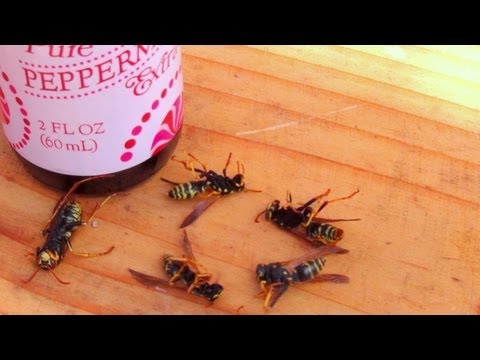
Use a peppermint oil solution
Peppermint oil has also been shown to be a natural wasp repellent.
Take a few drops of peppermint oil along with a few tablespoons of laundry detergent, put them together in a spray bottle, and fill the rest of the bottle with water.
Shake well and spray the mixture on all established nests or places where you have seen nests before.
We Hope You Enjoy Watching this Video
Source: Wranglerstar
Did you find this post Useful or Inspiring? Save THIS PIN to your GARDENING Board on Pinterest! 
More Gardening Tips 👇🏼👇🏼