
Planting Vegetables for Beginners


Have you ever thought about growing your own vegetables but felt unsure where to begin?
Whether you're hoping to enjoy fresh tomatoes or green beans, starting a vegetable garden doesn't have to be overwhelming.
In this guide, we'll walk you through everything you need to know to get started—without the stress!
Choosing the Right Location for Your Vegetable Garden
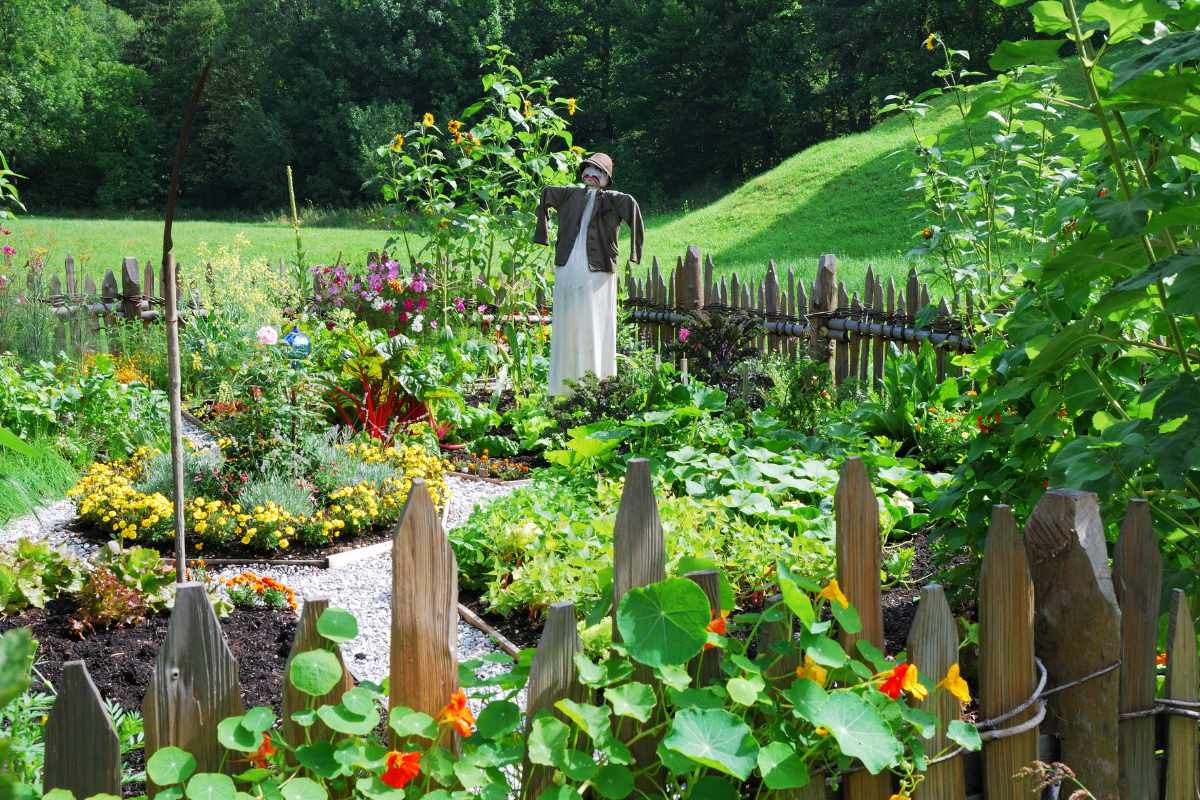
The first step to a thriving vegetable garden is selecting the perfect spot.
Choose a sunny area, as most vegetables require at least 6 to 8 hours of sunlight a day to grow well. If you're working with limited space, consider raised beds or container gardening as practical alternatives.
These options allow you to control soil quality and keep your plants organized.
Preparing the Soil: A Crucial Step for Success
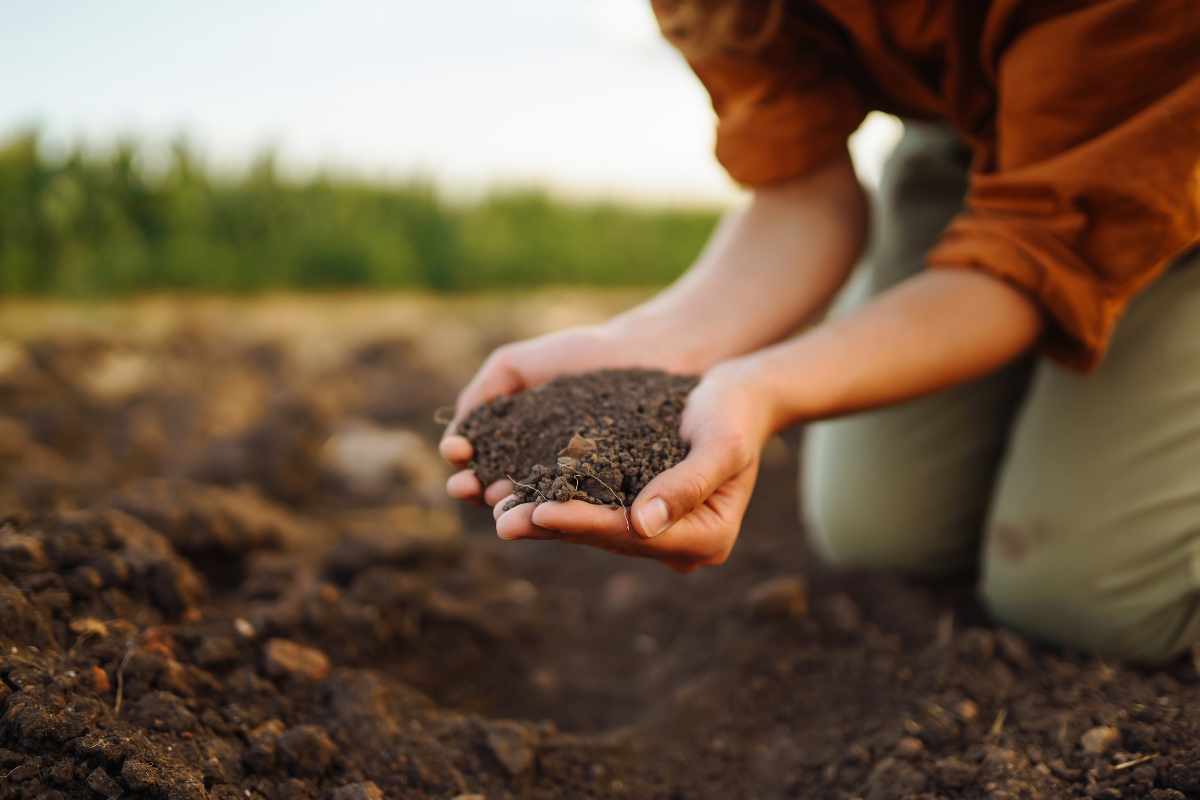
Good soil is the foundation of any healthy garden. Start by testing your soil's pH levels to ensure they're within the ideal range for vegetables (usually between 6.0 and 7.0).
If your soil is too acidic or alkaline, you can amend it by adding compost or lime.
Next, loosen the soil by tilling or using a garden fork.
Adding organic compost will enrich the soil with essential nutrients and improve drainage. This process will create an ideal environment for your plants to root and thrive.
Selecting the Best Vegetables for Beginners
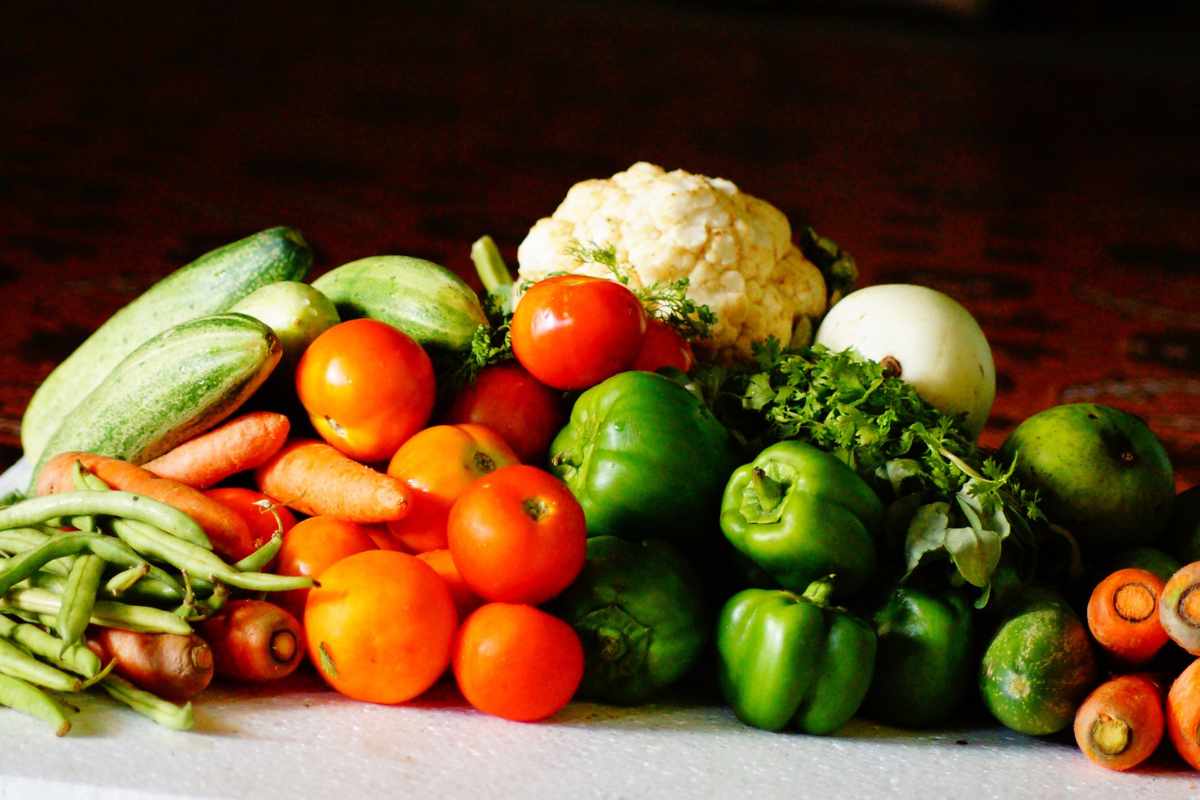
Now comes the fun part—choosing what to grow! As a beginner, it's wise to start with vegetables that are easy to grow and resilient. Here are some beginner-friendly options:
Tomatoes: A garden staple, tomatoes are simple to grow in warm weather. Choose a variety that suits your space, whether it’s determinate (bushy) or indeterminate (vining).
Lettuce and Greens: These vegetables grow quickly and don’t require a lot of care. They’re perfect for a quick harvest and can be grown in containers.
Carrots and Radishes: Both of these root vegetables thrive in well-drained soil and grow quickly, making them ideal for new gardeners.
Planting and Spacing Your Vegetables
When planting your vegetables, be sure to follow the spacing guidelines for each type.
Overcrowding can stunt growth and lead to disease. For example, tomatoes should be spaced at least 18 to 24 inches apart to allow airflow.
Use row markers or garden labels to keep track of your plants and avoid confusion.
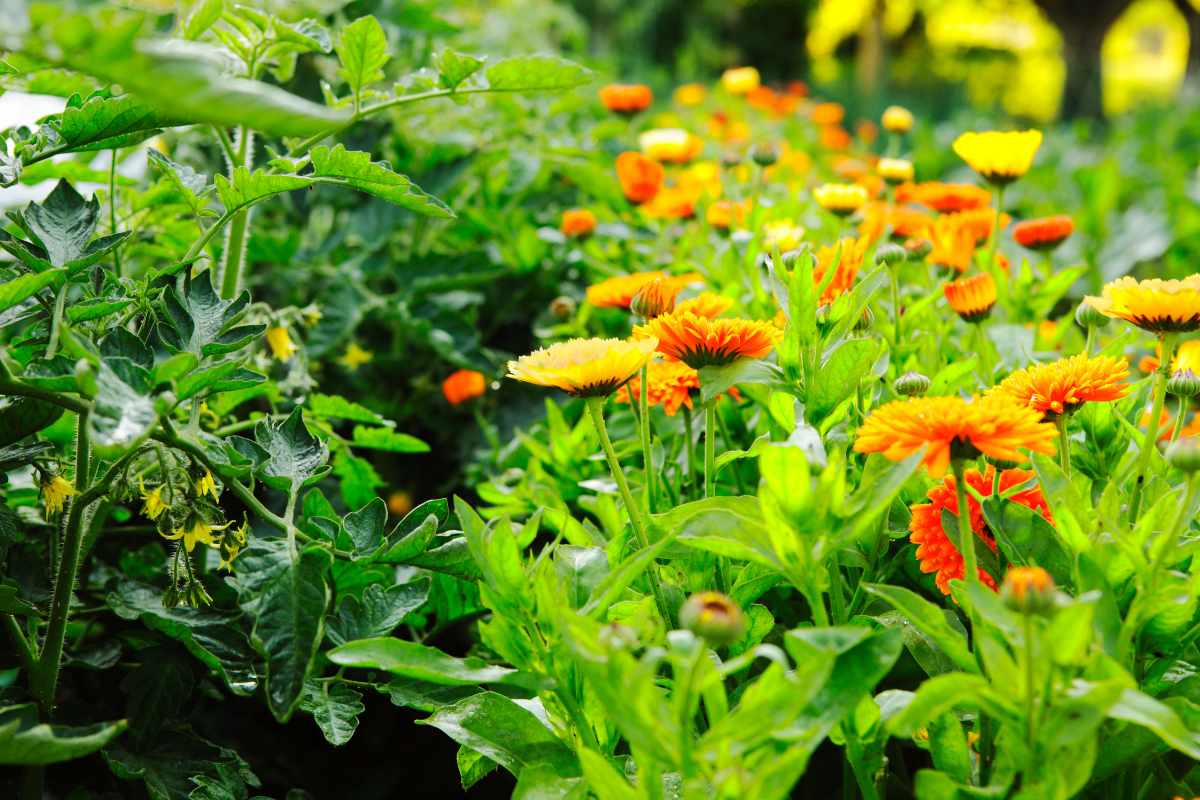
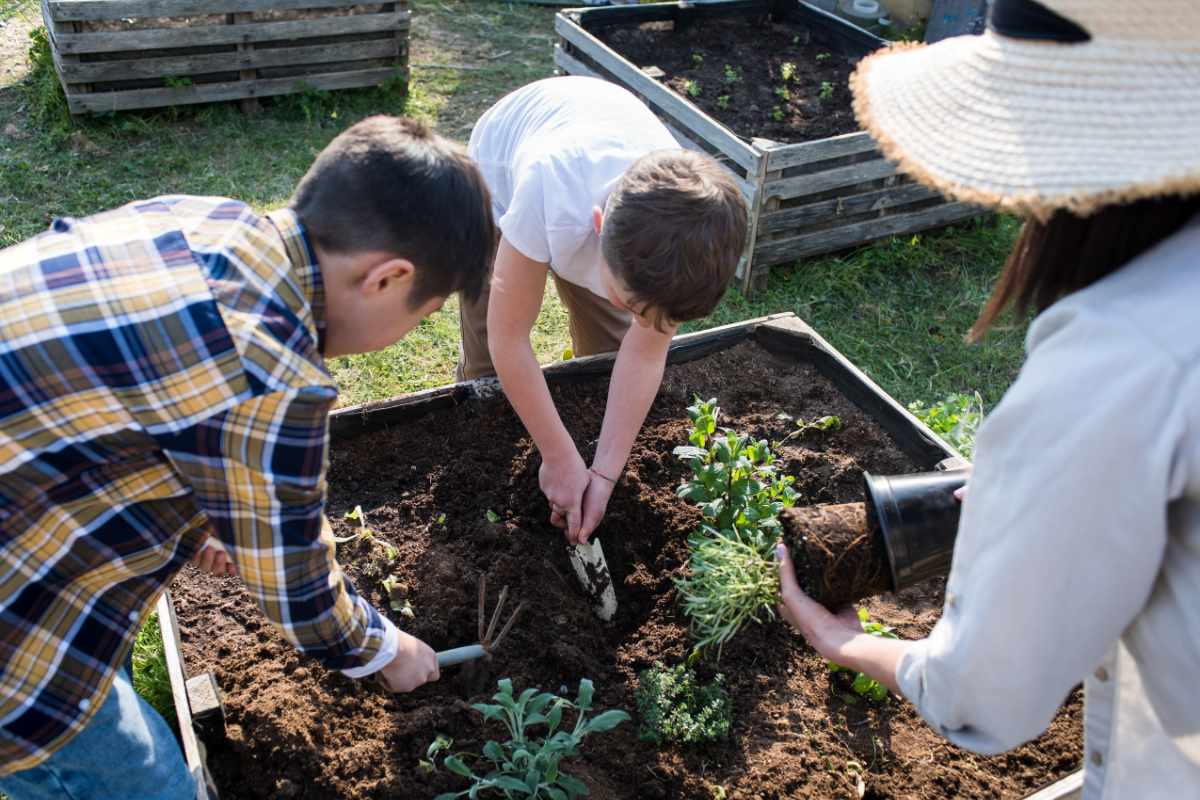
In raised beds or containers, consider companion planting.
Some vegetables, like basil and tomatoes, grow better together, while others, such as carrots and onions, can help deter pests naturally.
Watering and Fertilizing: Nurturing Your Plants
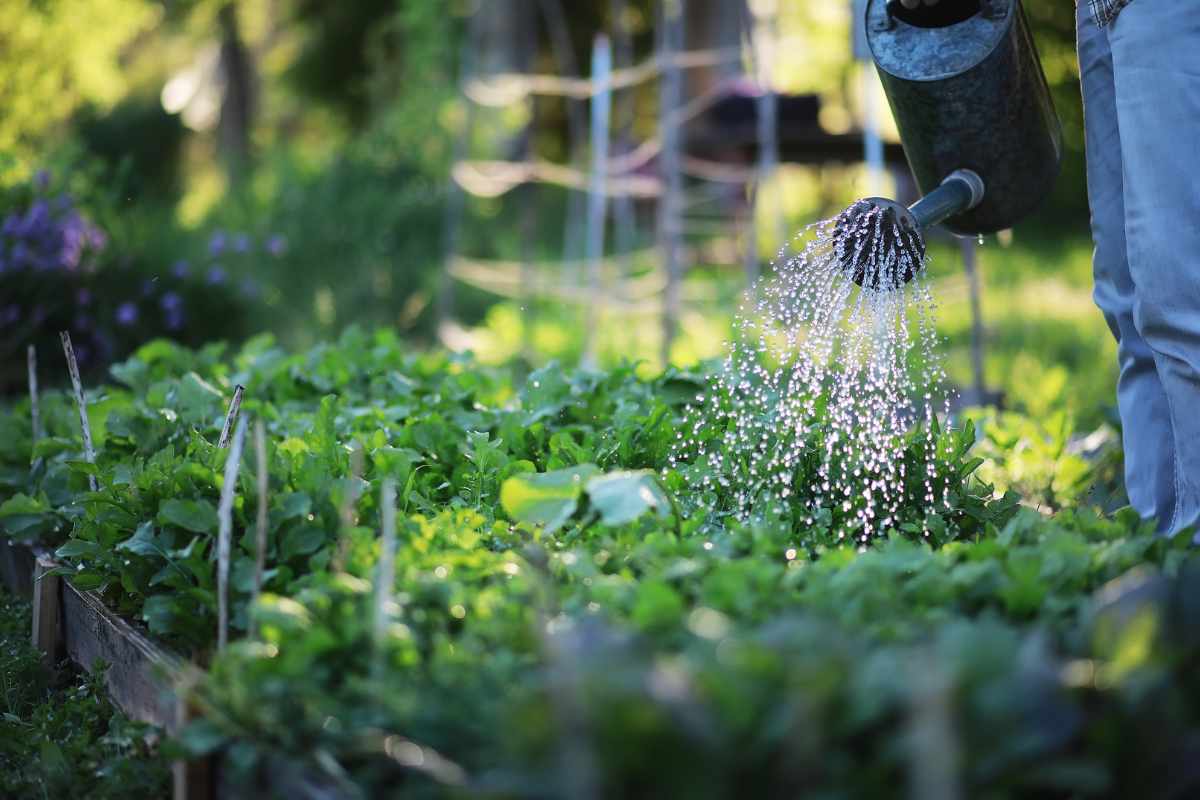
Vegetables require regular watering to thrive, especially during dry spells. A drip irrigation system or soaker hose can provide consistent moisture without wasting water.
Make sure to water deeply at the base of the plant, rather than sprinkling the leaves, to prevent disease.
Additionally, feed your vegetables with a balanced, slow-release fertilizer.
Be careful not to over-fertilize, as this can lead to excessive leaf growth at the expense of fruit production.
Dealing with Common Garden Pests
As with any garden, pests can be a challenge.
Start by inspecting your plants regularly for signs of damage or disease.
To prevent pests naturally, try using companion planting or introducing beneficial insects, like ladybugs, which help control aphids.
For more serious infestations, organic pest control methods, such as neem oil or insecticidal soap, can be an effective solution.
Harvesting: The Reward of Your Hard Work
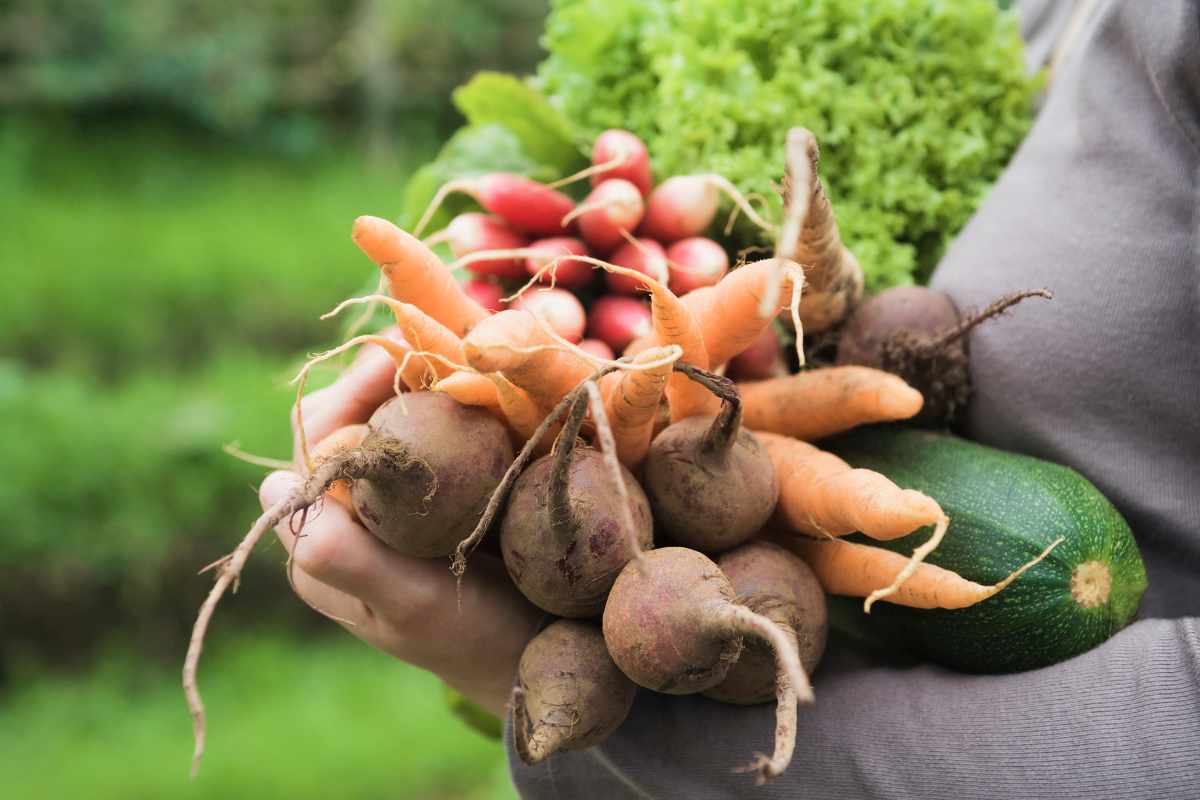
The best part of gardening is harvesting your own fresh vegetables! Each vegetable has its own harvesting time, so be sure to check the guidelines on your seed packets or plant tags.
For example, tomatoes are ready when they are fully ripe and easy to pluck from the vine, while leafy greens can be harvested once they reach a few inches tall.
General Gardening Tips
Here are a few helpful tips for gardeners, regardless of where you're planting:
Best Planting Times: The ideal time to plant vegetables varies depending on your local climate. In warmer climates, early spring to summer is the best time, while cooler regions may require waiting until late spring or early summer after the last frost date.
Local Varieties: Choose vegetable varieties that are well-suited to your climate. In warmer areas, vegetables like tomatoes and peppers thrive, while cooler regions may favor vegetables such as spinach and peas.
Climate Considerations: Each region has its own weather patterns, so it’s important to consider factors such as rainfall, temperature, and humidity. If you’re in an area with little rain, select drought-tolerant crops. In more humid climates, look for disease-resistant varieties to prevent issues like fungal infections.
By following these steps, you'll be well on your way to growing a bountiful vegetable garden.
Remember, gardening is a learning process, and with time, you’ll refine your skills and enjoy the fruits of your labor.
Enjoy the Video Tutorial
Source: Gary Pilarchik (The Rusted Garden)
Did you find this post useful or inspiring? Save THIS PIN to your Gardening Board on Pinterest!😊

Once again, thank you for visiting our website!
We hope you've enjoyed exploring the content we've created for you.
Give yourself the chance to learn, get inspired, and have even more fun, keep browsing...
More Gardening Tips 👇🏼👇🏼