
Planting Vegetables in Pots or Containers


Have you ever dreamed of enjoying fresh tomatoes or basil right from your own home, even if you live in an apartment or have limited space? Container gardening can make that dream a reality.
Whether you’re growing tomatoes, leafy greens, or herbs, this guide will walk you through everything you need to know to start your own container garden with ease.
Why Choose Container Gardening?
Container gardening offers many benefits, especially for those with limited space. One of the key advantages is portability. With containers, you can move your plants to the sunniest spots or bring them inside when the weather turns.
This flexibility makes it easy to adjust to your plants’ needs and helps them thrive throughout the seasons.
Another major benefit is pest control. Growing vegetables in containers makes it harder for pests to access your plants, reducing the need for pesticides.
Many gardeners find that container-grown plants are healthier and more productive than those grown in traditional garden beds.
Finally, container gardening is perfect for easy maintenance. Since plants in containers are more confined, it’s easier to care for them, ensuring they get the proper amount of water, sunlight, and nutrients.
Choosing the Right Containers
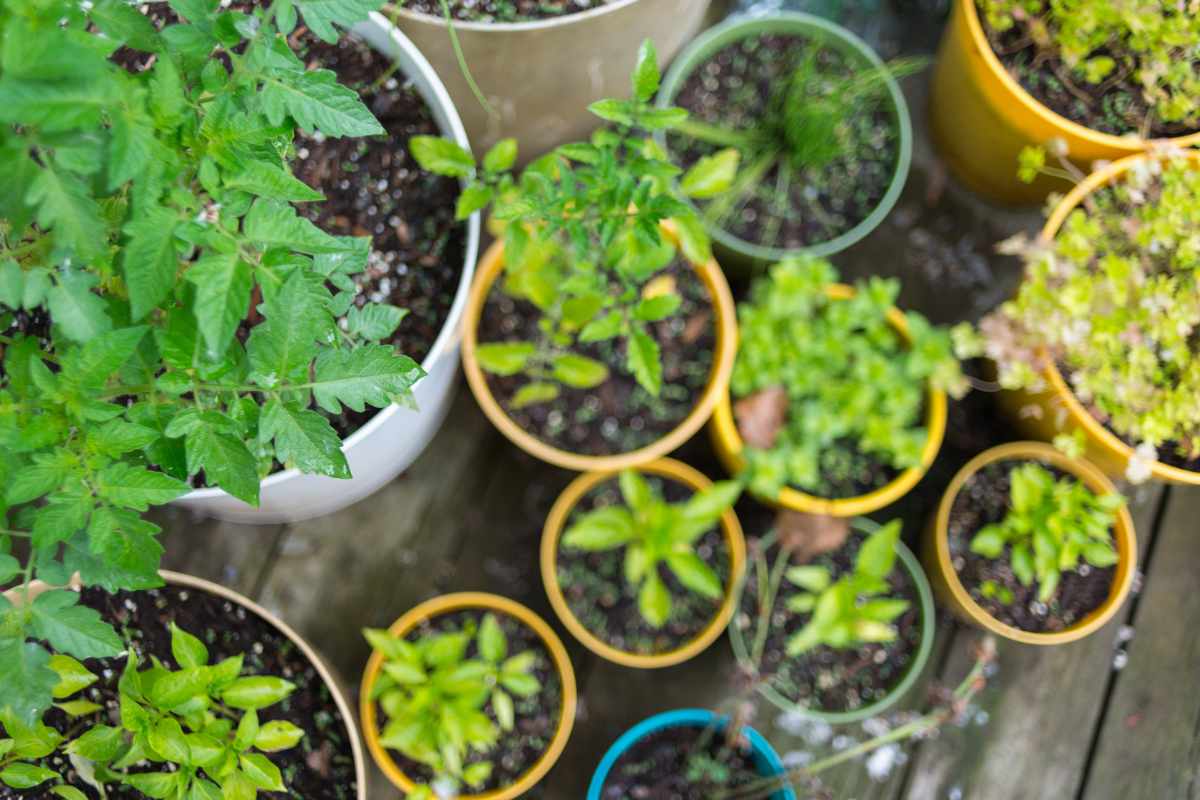
When it comes to selecting containers for your vegetables, size, material, and drainage are the most important factors to consider.
Start with size. Choose a container that’s large enough to accommodate the roots of your plants.
For most vegetables, a container that holds between 5 to 10 gallons is ideal. However, larger plants like tomatoes or peppers may need a bigger pot to thrive.
Next, consider the material. Plastic pots are lightweight, affordable, and retain moisture well. If you’re looking for something more breathable, clay or ceramic pots allow for better airflow but tend to dry out faster.
Fabric pots are another great option, offering excellent drainage and promoting healthy root growth.
Lastly, make sure your containers have adequate drainage holes. Without these holes, water can accumulate at the bottom of the pot, leading to root rot.
Adding a layer of gravel or broken pottery at the bottom of your container can help improve drainage if needed.
Selecting Vegetables for Container Gardening
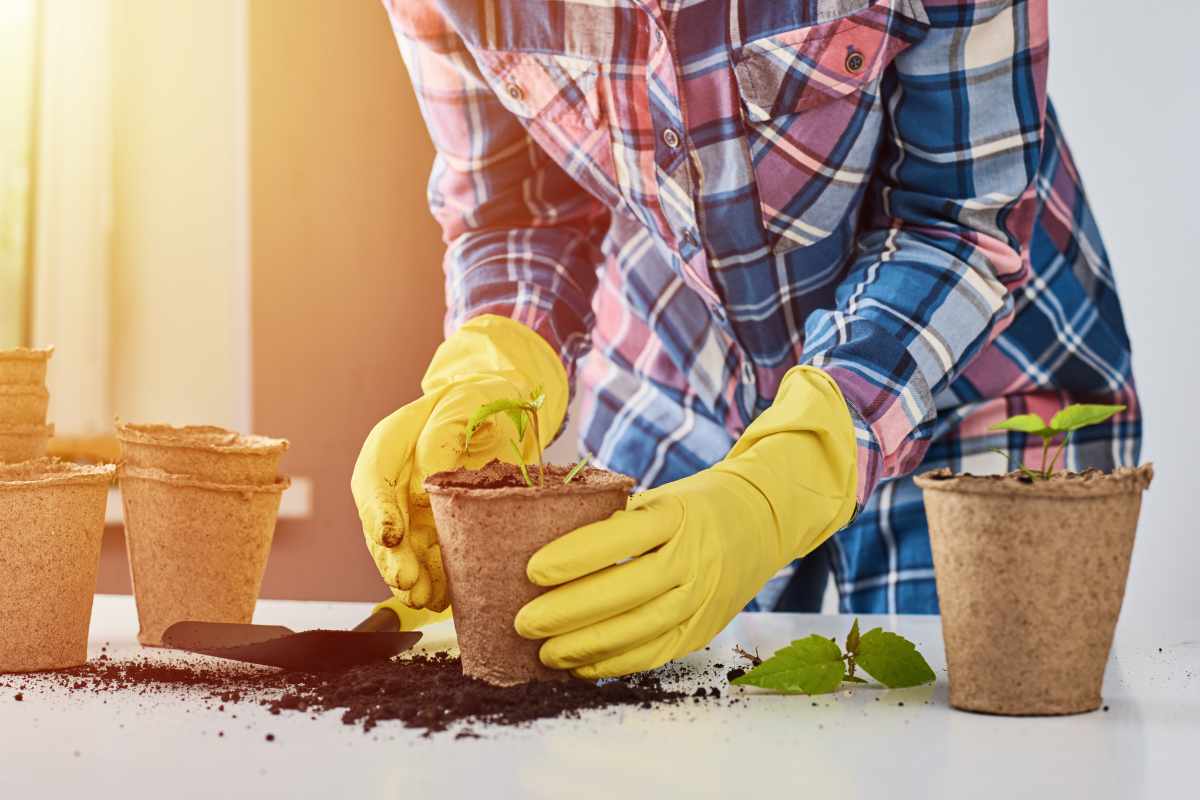
Some vegetables are better suited for container gardening than others. Here are some of the best vegetables to grow in pots:
Tomatoes: Compact varieties like cherry or determinate tomatoes are perfect for containers. These plants require less space and are easier to manage than larger varieties.
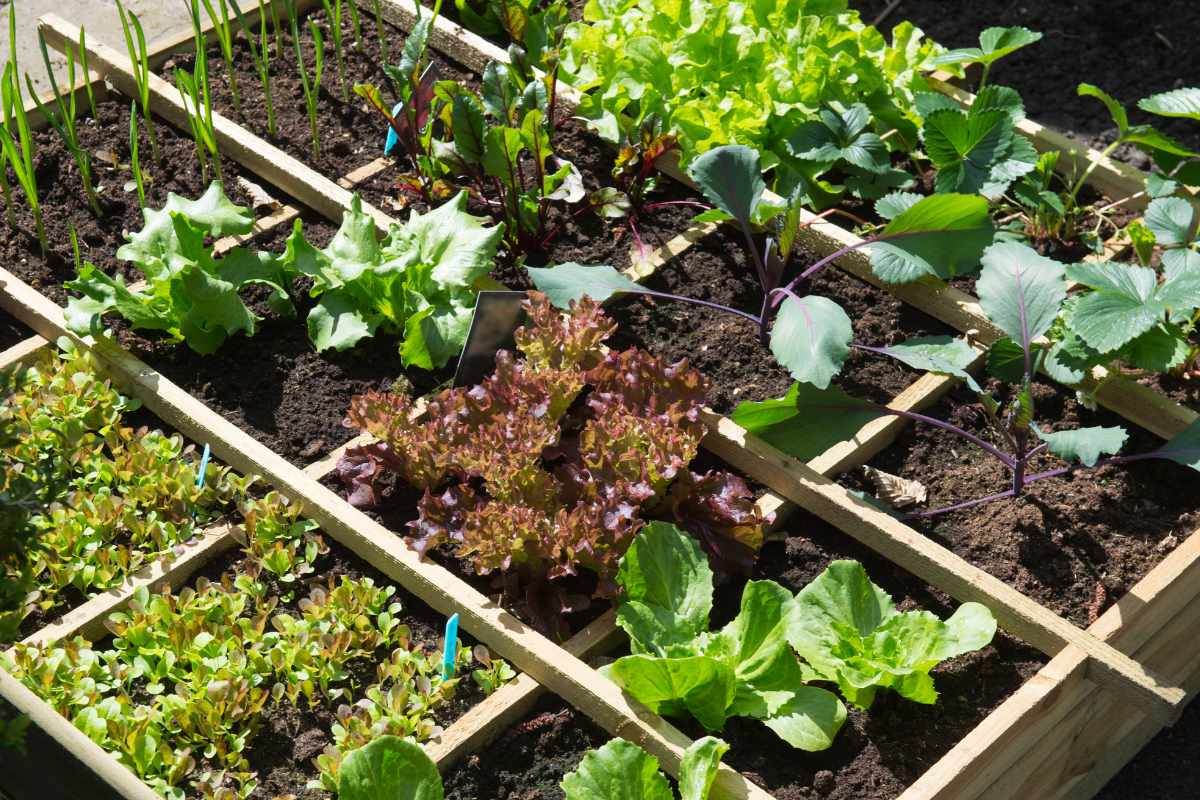
Lettuce and Leafy Greens: These plants have shallow root systems and grow well in smaller containers, making them perfect for container gardening.
Herbs: Basil, mint, parsley, and cilantro are ideal for pots and are great for beginners. They also thrive in small spaces and are perfect for cooking.
Peppers: Small peppers such as chili peppers or bell peppers grow well in containers and are an excellent choice for gardeners with limited space.
Before selecting your vegetables, always check their space requirements to make sure they’ll have enough room to grow in the container you’ve chosen.
Preparing the Soil
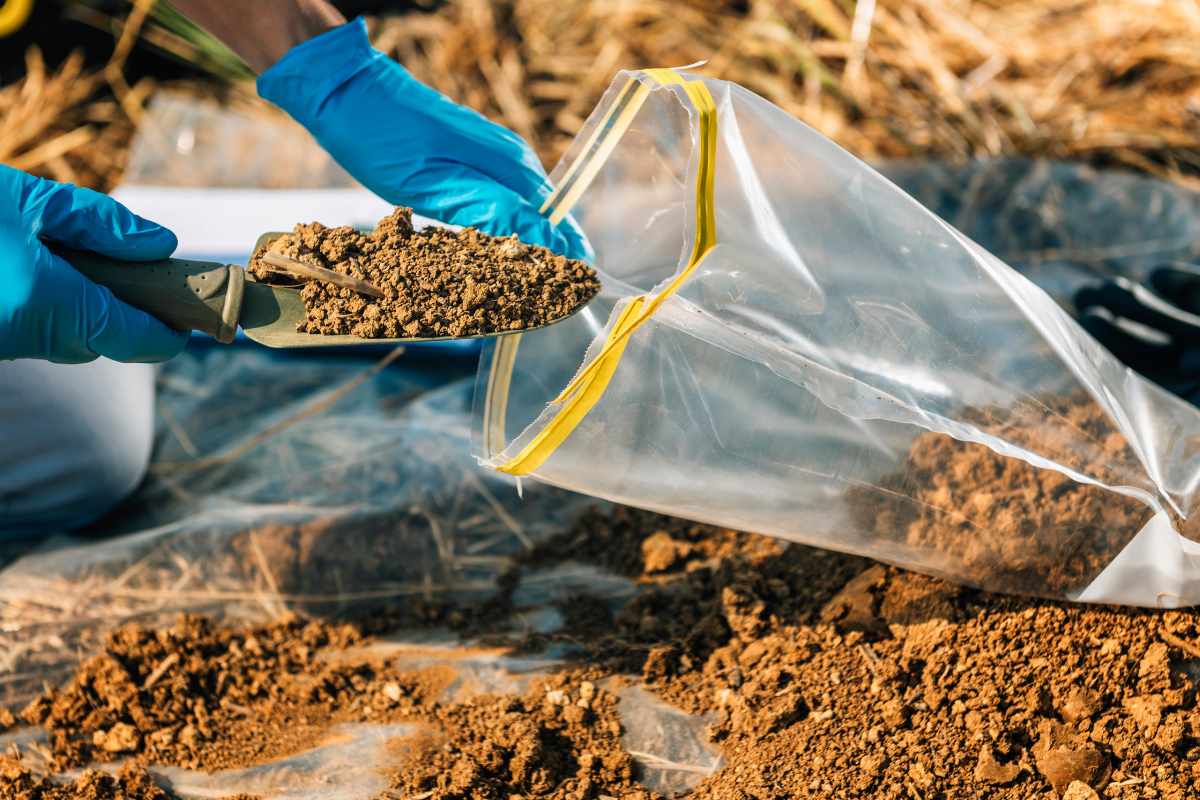
Good soil is the foundation of any successful garden. Unlike traditional garden beds, containers can’t rely on the ground’s natural soil structure, so it’s essential to use the right mix.
Avoid using regular garden soil, as it tends to compact in containers, limiting root growth.
Instead, use a potting mix that’s specifically formulated for containers. A good potting mix contains a blend of peat moss, perlite, and compost, which promotes healthy plant growth by ensuring good drainage and moisture retention.
To enrich your soil, you can add organic matter such as compost or worm castings to improve fertility.
Container plants tend to deplete nutrients faster, so feeding them with a balanced liquid fertilizer every two weeks will help keep them healthy.
Placement and Sunlight
Proper placement is crucial for container gardening success. Most vegetables need at least 6-8 hours of direct sunlight per day to thrive.
When positioning your containers, ensure they get ample sunlight, especially during the growing season.
For movable containers, you can adjust their position throughout the day to ensure they receive the best sunlight.
In some cases, you may need to experiment with different spots depending on the plant’s sunlight needs.
Certain plants, like leafy greens, can tolerate partial shade, so don’t hesitate to place them in more shaded areas if needed.
However, most fruit-bearing plants, such as tomatoes and peppers, require full sun for optimal growth.
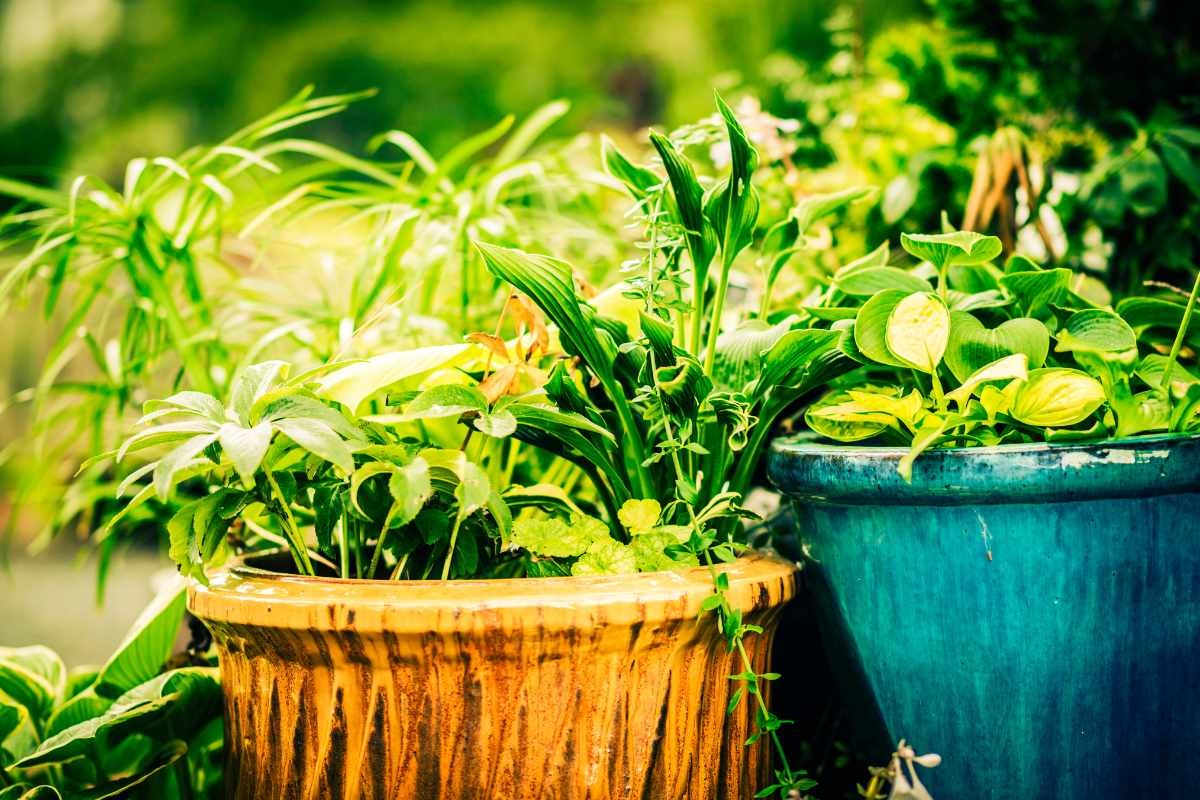
Watering and Maintenance
Watering is one of the most important aspects of container gardening. Since containers dry out more quickly than garden beds, you need to ensure your plants stay consistently hydrated.
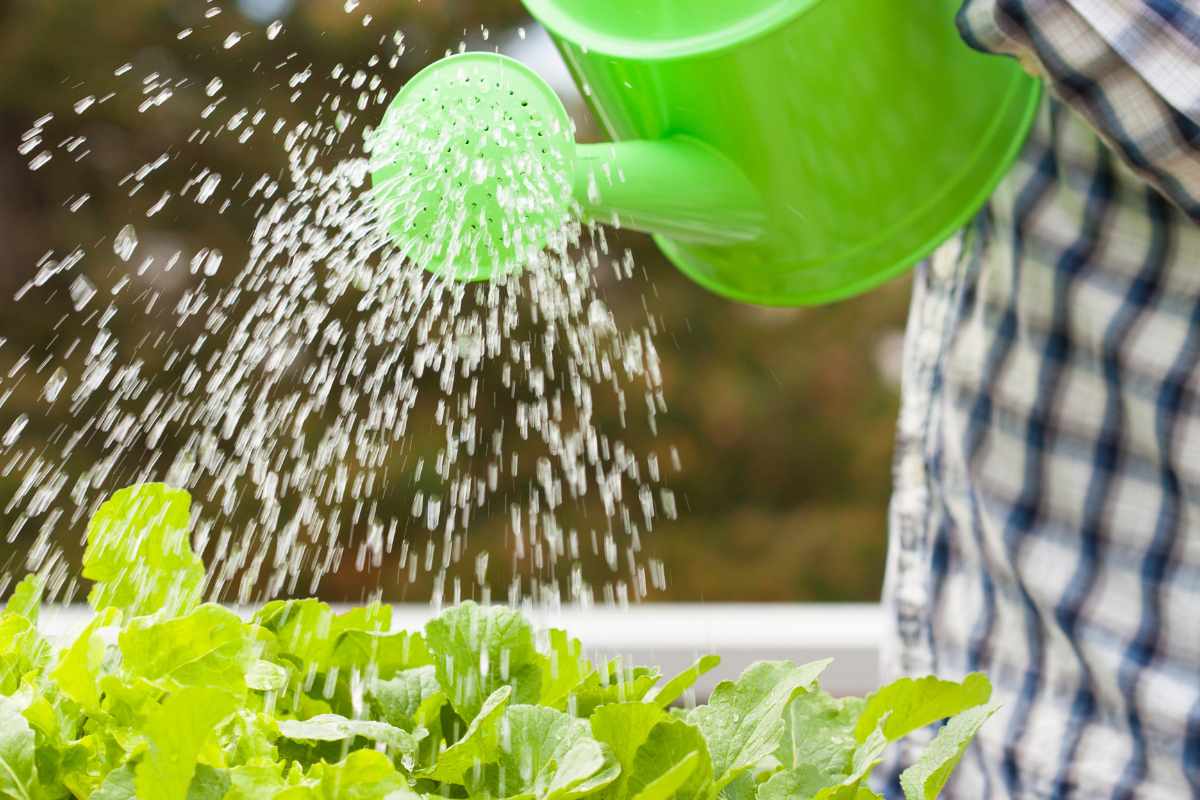
Water your plants deeply in the morning, giving them enough time to absorb the moisture before the heat of the day. Ensure that water drains well from the bottom of the pot to avoid waterlogging.
Overwatering can be just as harmful as underwatering, leading to root rot.
To retain moisture, apply a thin layer of mulch to the surface of the soil. This will help reduce evaporation and keep the soil temperature stable, which is especially important during the hotter months.
Keep an eye on your plants for any signs of pests or diseases.
Since container plants are more vulnerable to infestations, it's important to address any issues quickly before they spread.
Pest Management
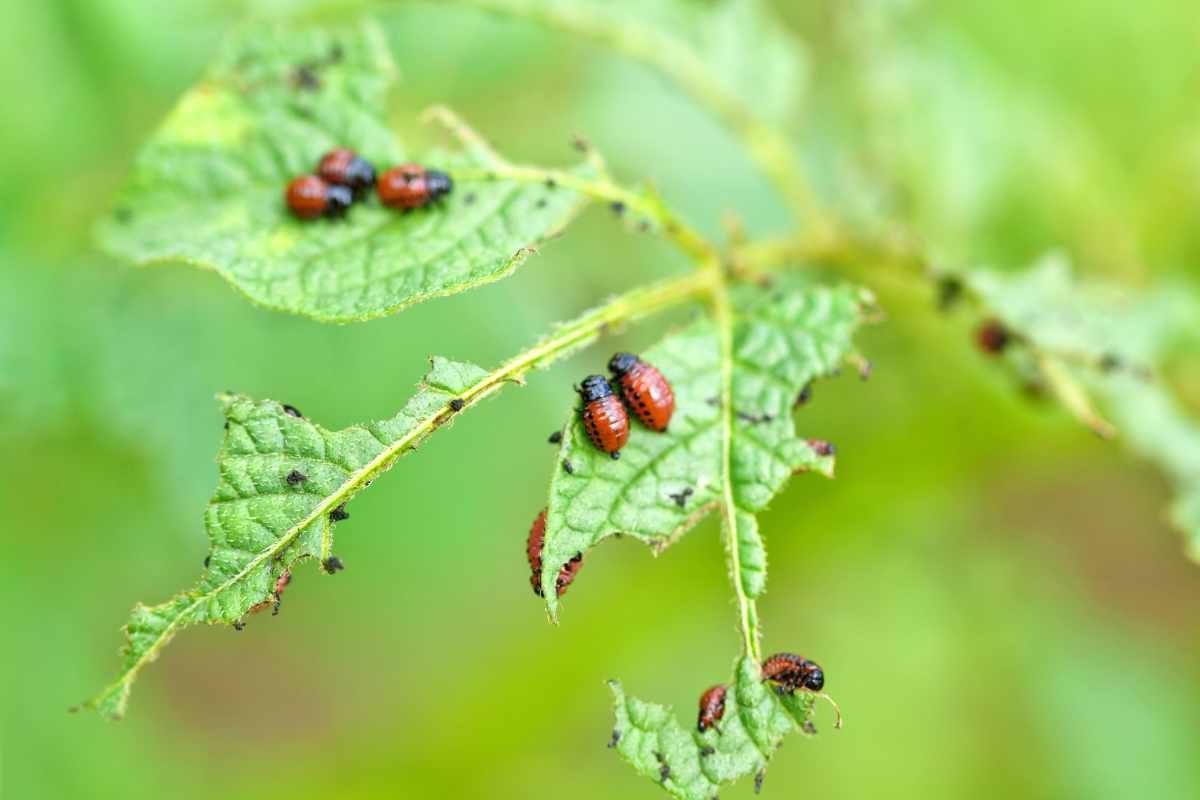
While container gardening helps reduce pest problems, it’s still important to keep your plants protected. Here are some natural ways to manage pests:
Neem oil is an effective natural pesticide that works well against insects like aphids and spider mites.
Diatomaceous earth is another excellent natural option that helps control slugs, snails, and other pests.
Companion planting can also help deter pests. Growing herbs like basil or marigolds near your vegetables naturally repels insects.
Now that you know the basics of container gardening, it’s time to get started!
Whether you’re planting tomatoes, peppers, or herbs, container gardening is a great way to enjoy fresh vegetables right at home.
Are you ready to begin your own container garden? Share your gardening plans in the comments below or check out our additional guides for expert tips on creating a thriving vegetable garden.
Enjoy the Video Tutorial!
Source: Urban Gardening
Did you find this post useful or inspiring? Save THIS PIN to your Gardening Board on Pinterest!😊

Once again, thank you for visiting our website!
We hope you've enjoyed exploring the content we've created for you.
Give yourself the chance to learn, get inspired, and have even more fun, keep browsing...
More Gardening Tips 👇🏼👇🏼