
Planting Vegetables Indoors


Have you ever wished you could enjoy fresh vegetables right from your kitchen, no matter the season?
With a little planning, indoor vegetable gardening makes it possible.
Growing vegetables indoors is not only fun, but it also gives you control over the environment, protects your plants from pests, and ensures you can harvest homegrown food all year long.
Benefits of Growing Vegetables Indoors
Control Over Growing Conditions
Unlike outdoor gardening, where the weather can be unpredictable, indoors, you decide how much light, water, and warmth your plants receive.
This means better chances of success, even if you live in a region with cold winters or harsh summers.
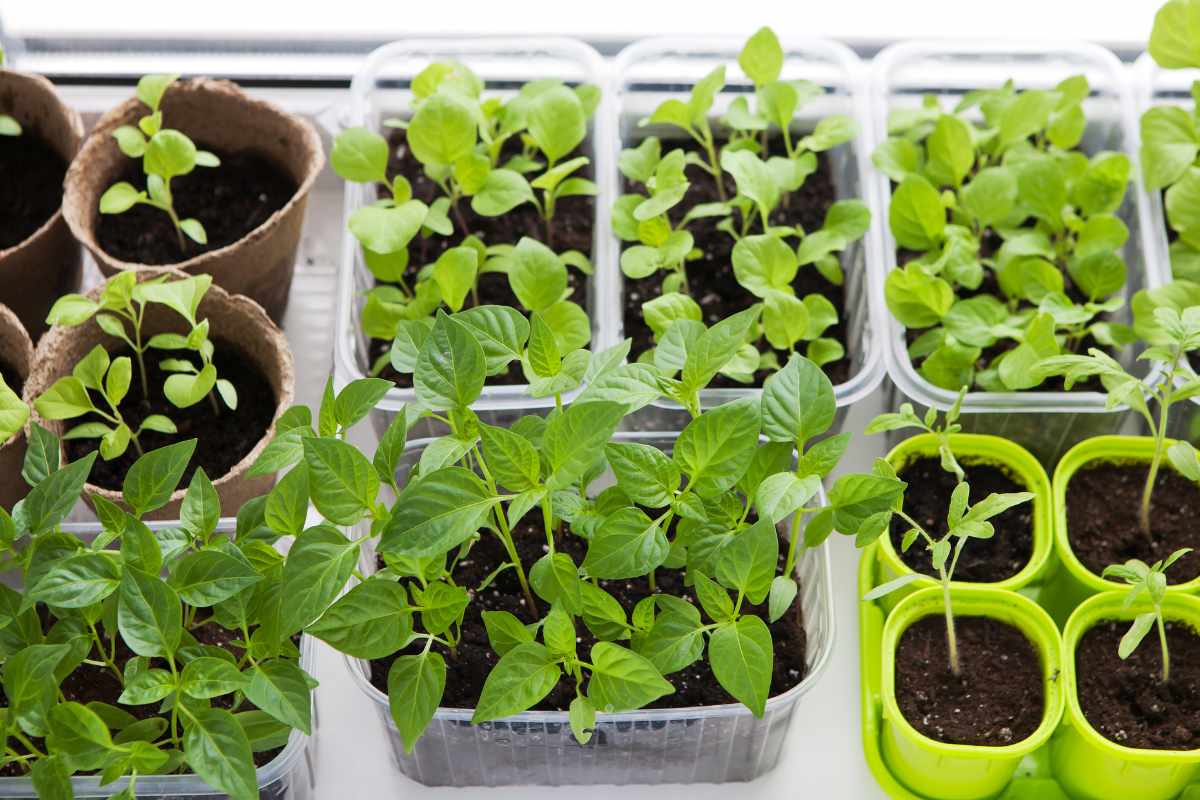
Fewer Pests and Diseases
Keeping plants inside protects them from common garden invaders like aphids, caterpillars, and snails.
Using sterile potting soil also reduces the risk of soil-borne diseases, giving your vegetables a healthier start.
Year-Round Harvest
One of the biggest advantages is extending your growing season.
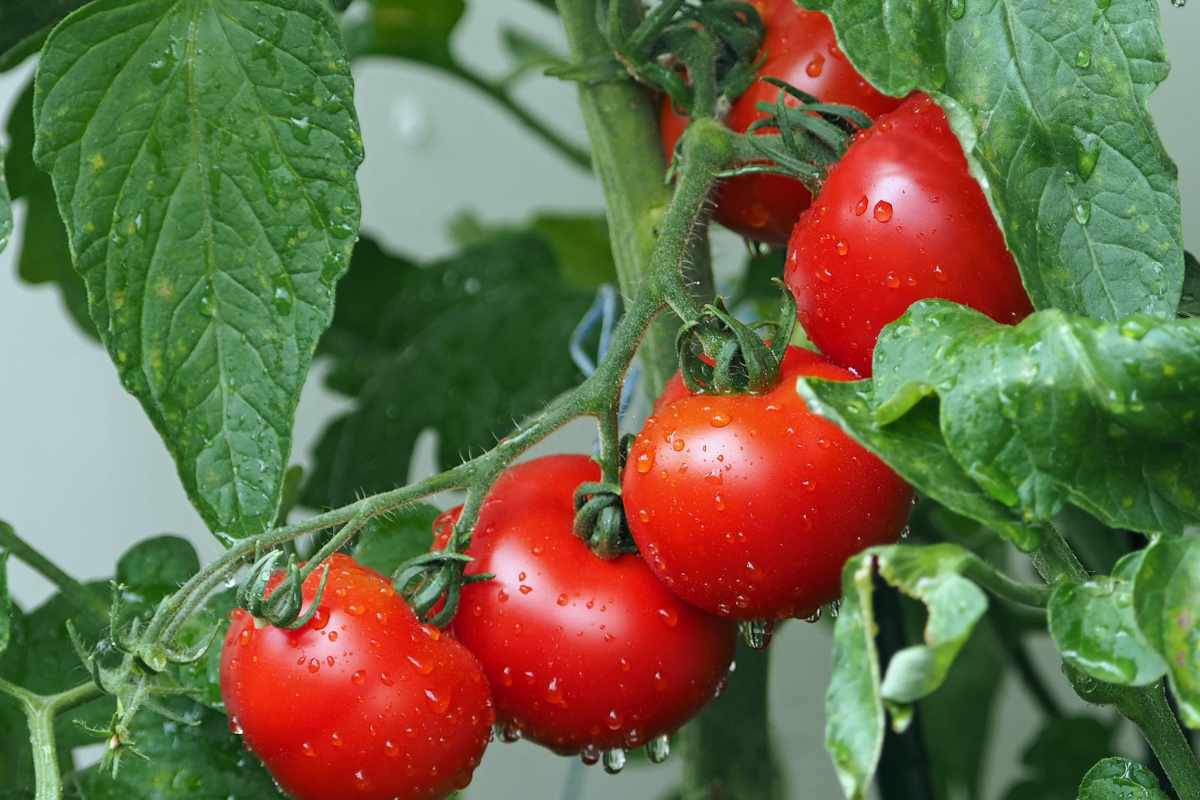
Indoors, you’re not limited to planting during spring or summer—you can enjoy leafy greens, herbs, and even small tomatoes in the middle of winter.
Best Vegetables to Grow Indoors
Not every plant thrives inside, so choosing the right varieties is key. Here are some great options:
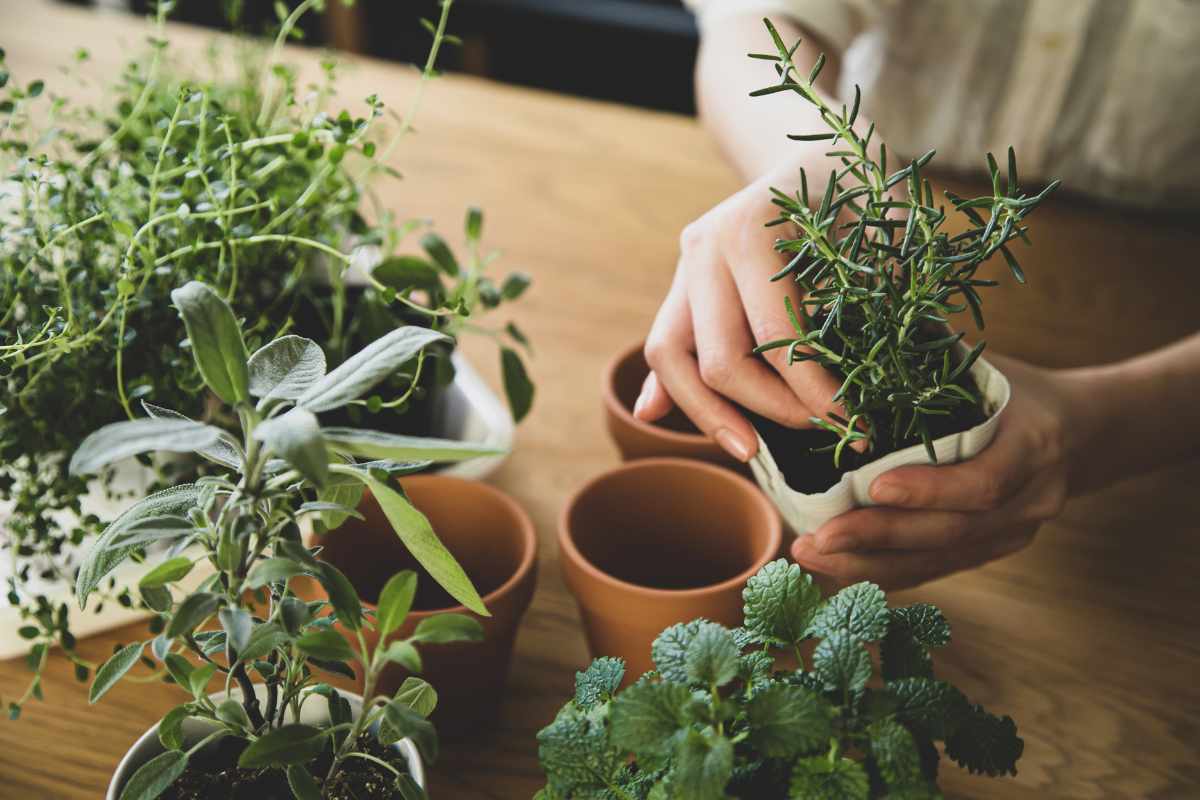
Herbs: Basil, oregano, parsley, thyme, and chives grow quickly and don’t need much space.
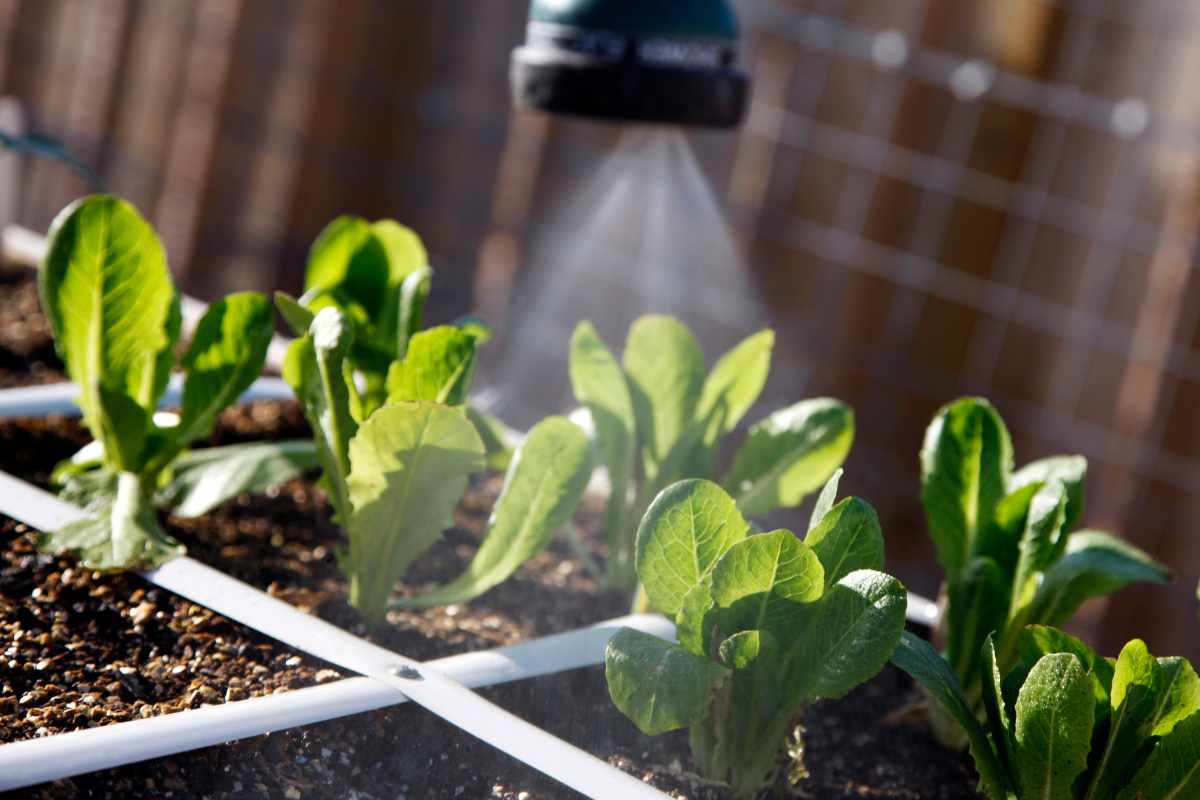
Leafy Greens: Lettuce, spinach, and arugula are compact and perfect for containers.
Compact Vegetables: Cherry tomatoes, peppers, and radishes are good choices if you want more variety.
These plants stay small, grow well in pots, and provide continuous harvests for your kitchen.
Essential Tips for Indoor Gardening
Light Is Everything
Most vegetables need at least 6–8 hours of bright light daily.
A sunny windowsill can work, but in many cases, you’ll want to use grow lights to give your plants the boost they need.
Choose the Right Containers
Pick pots with good drainage so your vegetables don’t sit in water.
Containers between 6–12 inches deep usually work well, depending on the plant.
Use Quality Soil
Garden soil is too heavy for pots. Instead, go for a light, well-draining potting mix designed for indoor plants.
Water and Feed Consistently
Indoor plants dry out differently from outdoor ones.
Check soil moisture often, water when it feels dry about an inch down, and add a balanced fertilizer every few weeks to keep your vegetables thriving.
Indoor Gardening Inspiration
Want to see how easy it can be to start your own indoor garden? Check out the video tutorial below for step-by-step ideas on setting up pots, soil, and lighting for your vegetables.
Ready to Start Your Indoor Garden?
Growing vegetables indoors is a rewarding way to bring freshness to your meals, no matter where you live or what the weather is like outside.
Start small with a pot of basil or a tray of lettuce, and you’ll be amazed at how quickly you can enjoy the taste of homegrown food.
So, what are you waiting for? Pick a plant, set up your first container, and begin your indoor garden today.
Your future self will thank you when you’re harvesting fresh greens from your very own windowsill!
Enjoy the Video Tutorial
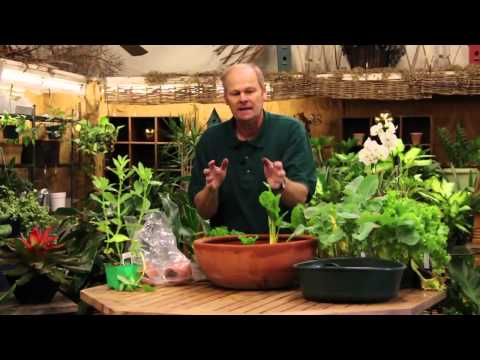
Source: ehowhome
Did you find this post useful or inspiring? Save THIS PIN to your Gardening Board on Pinterest!😊

Once again, thank you for visiting our website!
We hope you've enjoyed exploring the content we've created for you.
Give yourself the chance to learn, get inspired, and have even more fun, keep browsing...
More Gardening Tips 👇🏼👇🏼