
Smart Mushroom Picking for Home Growers & Foragers

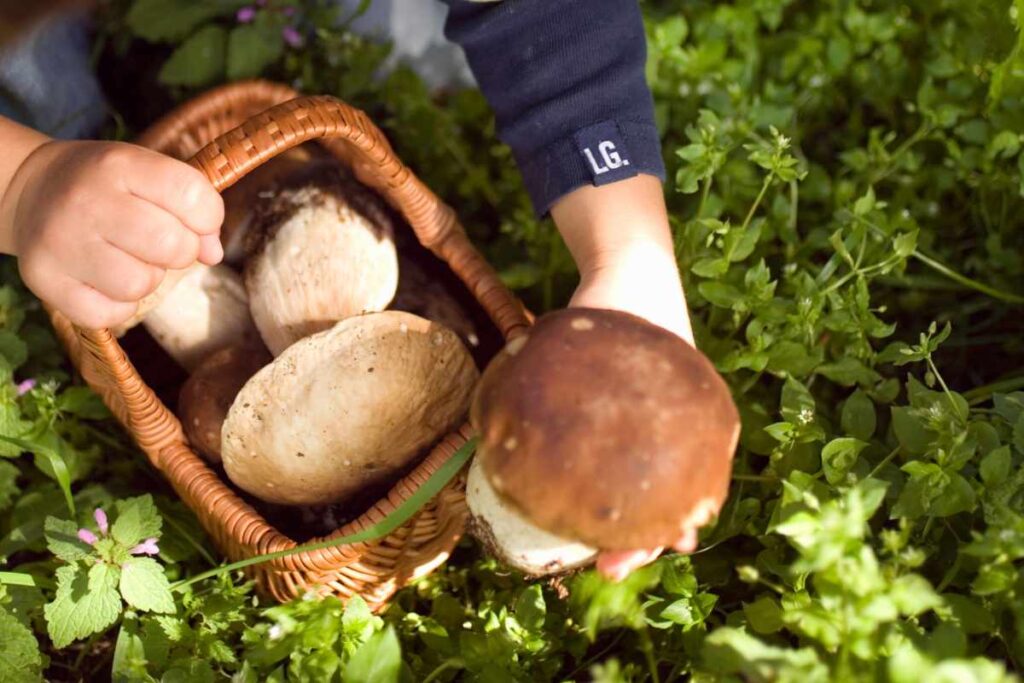
Growing mushrooms at home or foraging for them in the wild is a rewarding practice that connects us with nature’s cycles.
However, the moment of harvest is crucial—not just for enjoying the mushrooms at their peak, but also for protecting the health of the environment and encouraging future growth.
Harvesting mushrooms correctly isn’t just about timing; it’s about understanding the subtle cues from nature and using methods that support long-term sustainability.
Knowing When the Time Is Right
The first step to harvesting mushrooms properly is recognizing the right time to do it. Mushrooms grow fast, and their ideal picking window can be surprisingly short.
Wait too long, and they’ll become overripe, mushy, or insect-ridden. Harvest too early, and the fruiting body might not be fully developed, impacting flavor, texture, and spore release.
Look for clear signs of maturity. The cap should be fully open or closed it, depending on the species. For gilled mushrooms, the gills beneath the cap are a good indicator.
If they’ve gone from light to darker shades, they’re releasing spores and nearing peak harvest time. Paying attention to these subtle shifts allows for a more ethical and effective harvest.
Tools and Clean Hands Matter
Whether you're harvesting cultivated mushrooms or foraging, your tools and hygiene play a role in preserving the crop and the environment.
A small knife or pair of scissors is usually the best choice, especially for delicate varieties. Pulling mushrooms out by hand can damage the mycelium beneath the surface, affecting future growth.
If you're harvesting at home, make sure your hands and tools are clean. Contaminants can easily spread to your substrate or growing environment.
In the wild, a clean cut with a sharp blade helps the surrounding area stay intact, preserving the underground fungal network that allows mushrooms to regrow.
Cut vs. Twist: Choosing the Best Method
There’s some debate between the cut method and the twist-and-pull approach. Both have their place depending on the situation, but generally, cutting is gentler on the substrate or forest floor.
A clean cut just above the base allows the mycelium to stay undisturbed and continue feeding the soil.
Twisting and pulling can work with tougher species like oyster mushrooms or puffballs, particularly if they grow on logs. However, this method requires care—if done too roughly, it can lead to unnecessary damage.
Understanding the type of mushroom you're harvesting is key to choosing the safest and most effective technique.
Handling with Care
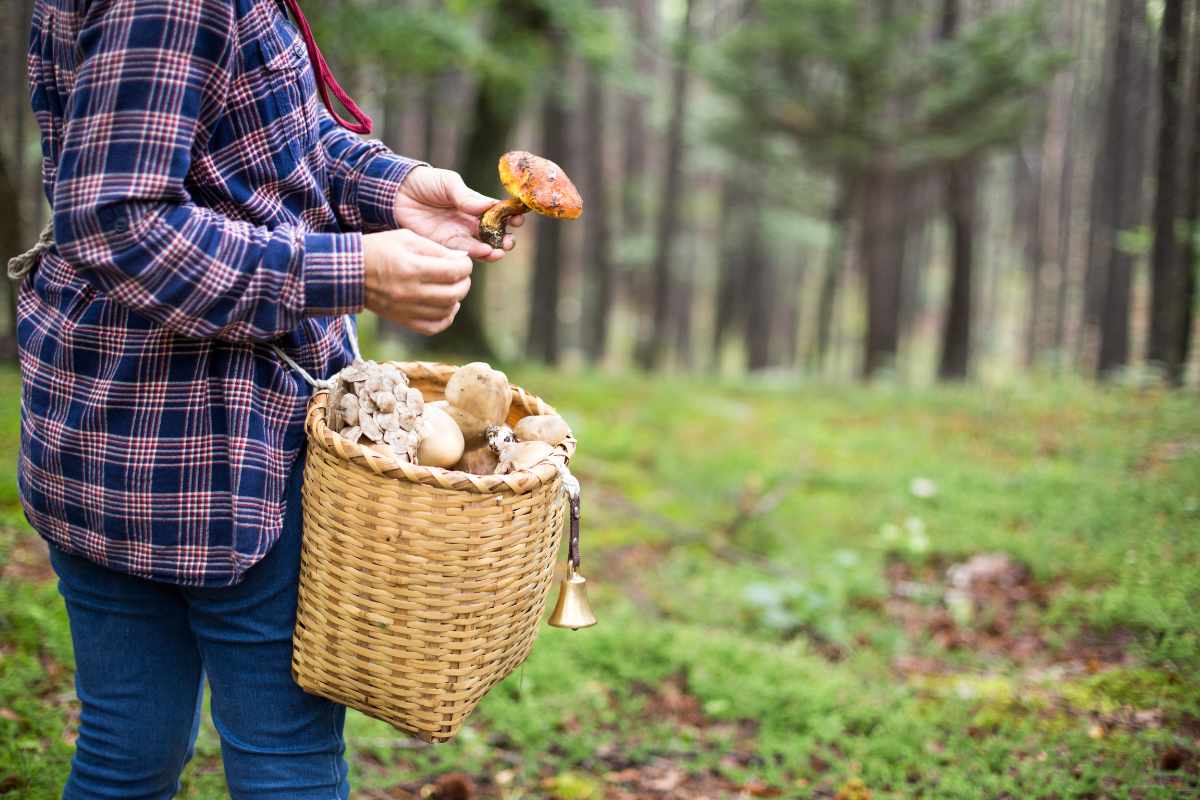
Mushrooms are fragile by nature. Once harvested, they should be handled gently and stored in breathable containers—never plastic bags, which trap moisture and accelerate decay.
Baskets or paper bags are ideal for keeping them fresh and allowing spores to continue spreading during transport, especially in the wild.
Keep them shaded and cool after picking. If you’re harvesting a large quantity, avoid stacking them too tightly, as this can bruise the caps and reduce their shelf life.
Proper handling ensures you get the best texture and taste from your harvest while reducing waste.
Leave Some Behind for Future Growth
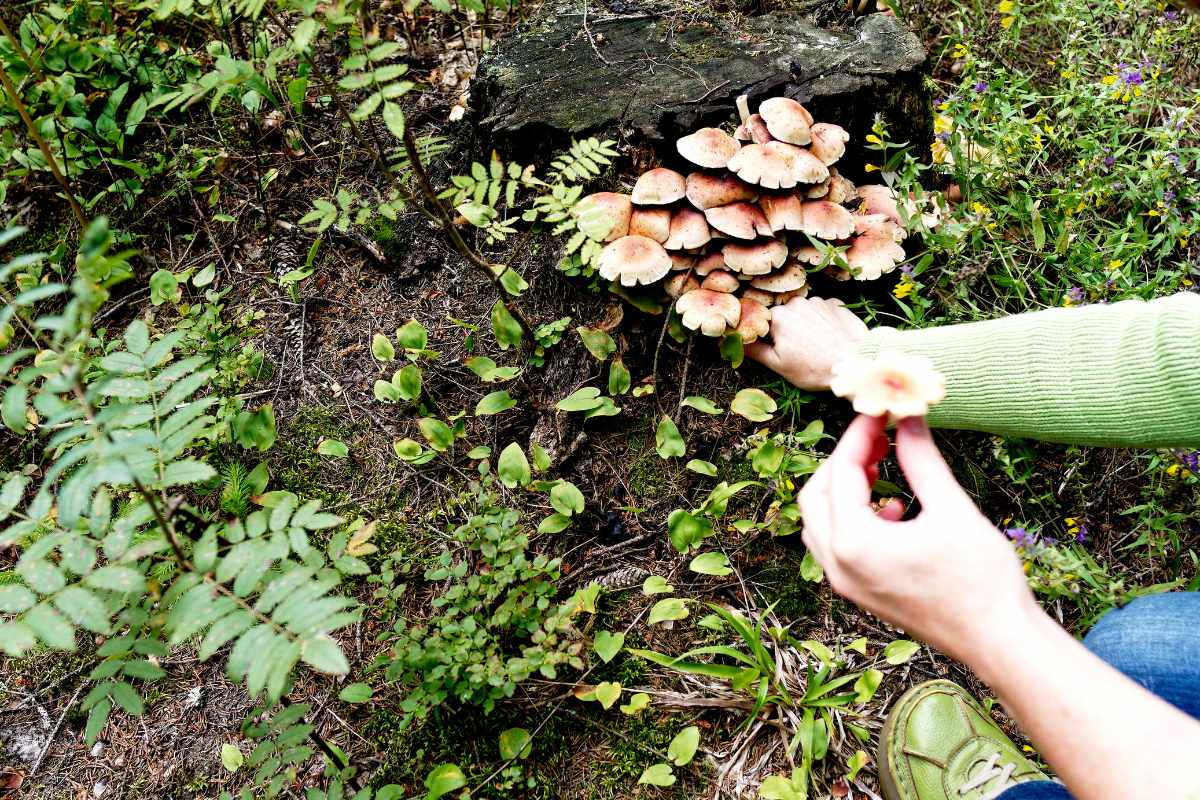
One of the core principles of sustainable mushroom harvesting is moderation. It can be tempting to collect every healthy mushroom you see, but doing so disrupts the reproductive cycle.
Leaving a few behind allows them to release spores and supports the long-term health of the fungal colony.
If you're harvesting wild mushrooms, it’s even more important to be selective. Only pick what you’ll use, and leave smaller or overripe ones alone.
This practice not only benefits the ecosystem but also respects the delicate balance that fungi help maintain in forest environments.
Respecting the Environment
Mushrooms play a vital role in soil health, nutrient recycling, and supporting other plant life. When harvesting, avoid trampling surrounding areas, breaking branches, or disturbing nearby organisms.
Stick to existing paths when foraging and avoid overly moist or protected zones, which are often habitats for sensitive wildlife.
For those growing mushrooms at home, maintain clean, well-ventilated growing conditions to keep the ecosystem balanced.
Dispose of spent substrate responsibly—preferably by composting—so you can give nutrients back to the earth.
Learning from Each Season
Every mushroom harvest is a learning opportunity. Over time, you'll become more attuned to growth patterns, preferred conditions, and seasonal variations.
This awareness helps you plan better and protect the fungi you depend on.
Documenting what you observe—when certain species appear, how quickly they mature, or what environmental factors affect them—can deepen your connection to the natural world and improve your harvesting skills for the long term.

Mindful Consumption
Harvesting is only part of the journey. Using your mushrooms wisely—whether for cooking, medicinal use, or preservation—is part of a sustainable lifestyle.
Drying or pickling excess mushrooms prevents waste and extends their use well beyond the harvest day.
Sharing your bounty with others can also promote eco-conscious values in your community and spread knowledge about safe, respectful foraging practices.
Did you find this post useful or inspiring? Save THIS PIN to your GARDEN Board on Pinterest!
More Gardening Tips 👇🏼👇🏼