
Starting Your Own Permaculture Garden

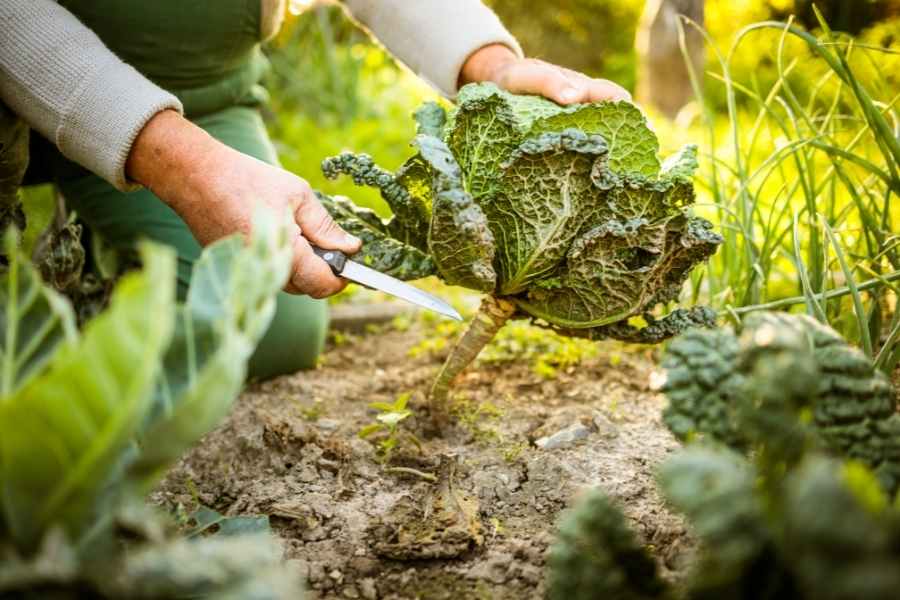
If you want to live in contact with nature, a good starting point is to grow vegetables, fruits, and aromatic herbs. If you are reading this article, it is safe to assume that you are really interested in doing it.
Permaculture gardening is a great way to grow your own food and use what nature has to offer to do so.
Permaculture gardening means 'permanent farming' and is defined as working with natural forces (wind, sun, and water) to provide food, shelter, water, and everything else your garden needs, as well as plants and seeds.
And the best part is that everything is done with a minimum of work and without destroying the land. Simply put, permaculture gardening is a holistic approach to gardening.
Design Your Permaculture Garden
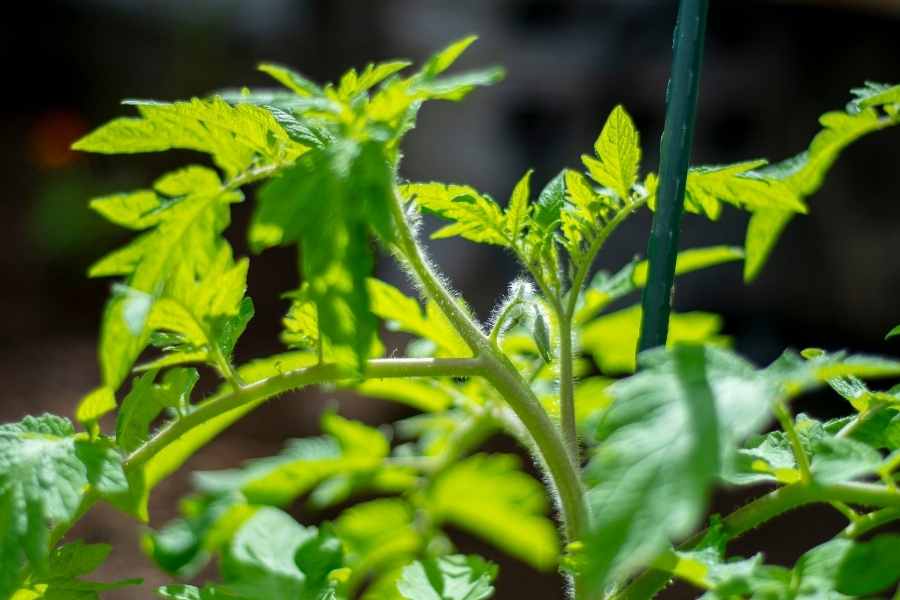
The best place to start with any garden is with a good design. If you plan before you start, you will have something concrete to build, rather than going on a whim and choosing plants that may or may not work well together and may or may not work well in a permaculture garden.
The guiding principle of a permaculture garden is that you reproduce natural patterns of growth and harvest. Any garden designed with this in mind is a permaculture garden. Decide and plan based on how you plan to use these natural elements in your garden.
First, decide the size of your garden based on the space you have available to plant.
Then decide if you want to plant a traditional garden with just a few permaculture design features included, or if you want a complete permaculture stacked garden, top to bottom.
Design Features
The vital characteristics of permaculture gardening are:
Soil Preservation
How are you going to protect your soil? These are the methods to consider:
- Use mulch or mulch crops to protect the soil and keep it in place.
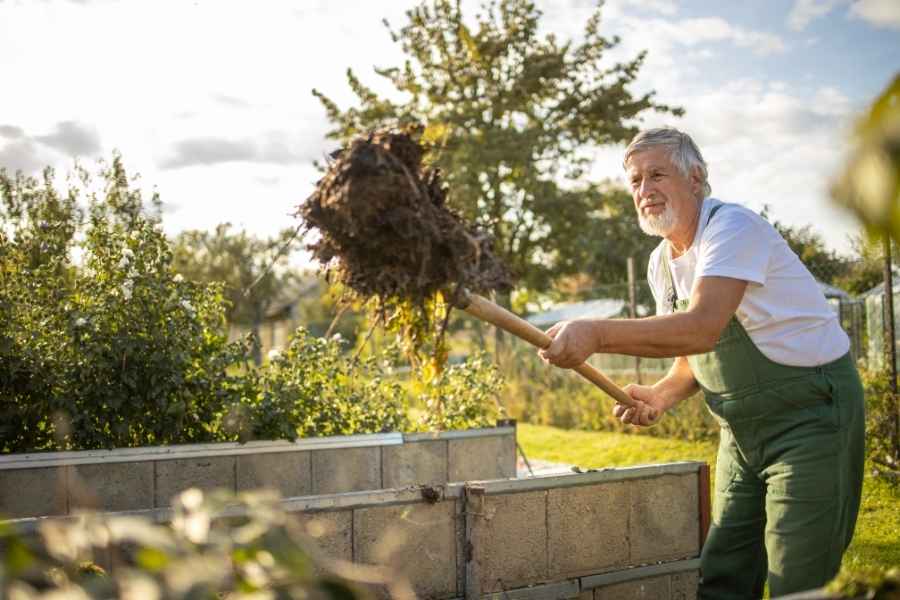
- Gardening without digging. Soil cultivation alters the structure of the soil and exposes the lower layers of the soil to sunlight. This can destroy very beneficial nutrients and living creatures under the ground, which are beneficial to your garden. Earthworms are your friends. They are not very annoying, but they manage to keep the soil fragmented enough to allow water to reach the roots of the plants. If you are planting flower beds, it is best to design them so that you never have to step on the flower beds to harvest. When you walk on the ground, you compact it, preventing air and water from reaching the roots of the plants. Check the health of your soil before you start planting. If you have dry soil or soil with little or no organic contact, you will need to increase it before you begin.
- Compose the floor, but do not turn it more than necessary.
- Use cover crops, such as beans or peas, to protect the soil. Cover crops will hold the soil in place, and before planting you can cut them down and leave them there to rot and nourish the soil.
Plant Stacking
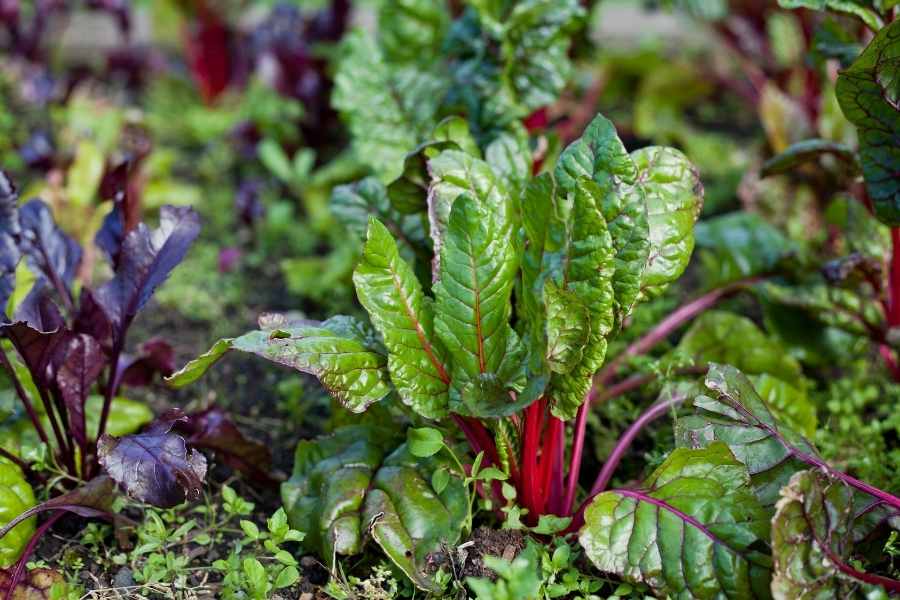
Take a walk through the woods, and you will see a great example of stacked plants. Trees are the top layer; underneath them grow shrubs, herbaceous plants, and ground cover.
The vines grow by mixing. Mother Nature knows what she does. By stacking the plants, you can use your space more efficiently and produce more with limited space. Stacked plants also take advantage of natural elements, such as sun and water, and help provide protection from the wind.
Succession Planting
Mother Nature grows plants to replace others as they die. This protects the soil and provides an inexhaustible supply of products. Plan your permaculture garden to plant new plants when existing ones are at the end of their production cycle.
However, you will continue to grow plants, protect your soil, and spend less time waiting for the next harvest.
Companion Planting
It is important to choose cultures that collaborate in nature. You can plant crops together that stimulate plant growth, make them more resistant to pests and diseases, hide other plant pests, and/or attract beneficial insects, such as pollinators or beneficial predatory insects that feed on pests.
Avoiding Analysis Paralysis
When you start designing a permaculture garden, it can be overwhelming if you care about every little detail. A good way to avoid this analytical paralysis is to simply break your project down into smaller parts and tackle them one at a time.
Start with the small tasks and then congratulate yourself on completing them.
Here are some things to keep in mind:
- Look at the big picture and design your garden as a whole, but when it comes to building it, do one small piece at a time.
- Find out early on how big you want your permaculture garden to be. You can have a lot of space, but do you really want to use everything? One of the benefits of permaculture gardening is that it requires much less maintenance than a traditional garden because you let nature do the heavy lifting for you.
- Take a look at the sun and shade requirements for the plants you want to grow. Consider the access to water and wind that your garden is subject to when designing it.
- Don't start your garden in the middle of a growing season. The best times to plant are fall and spring.
- Build the largest pieces of your garden first. If you are using a stacked plant, plant your trees first, make sure they have a good source of water, and then plant smaller and smaller plants. Ground cover should come last.
Summer is a great time to start planning your permaculture garden for fall. Use these guiding principles to get started, and you are well on your way to a successful, easy-to-maintain garden that minimizes the effects of gardening on nature itself.
How to Start A Food Forest Garden! Organic Gardening

Source: The Gardening Channel With James Prigioni
More Gardening Tips 👇🏼👇🏼