
The 3-Hour Rule in Gardening - What It Means and How to Use It


Gardening is full of helpful tips and rules of thumb that make plant care simpler and more effective. One interesting guideline many gardeners talk about is the “3-hour rule.”
While it might sound mysterious at first, this rule can have a significant impact on how you schedule your gardening activities, especially when it comes to watering, fertilizing, and transplanting.
Understanding this concept helps create better conditions for your plants to thrive.
The Core Idea Behind the 3-Hour Rule
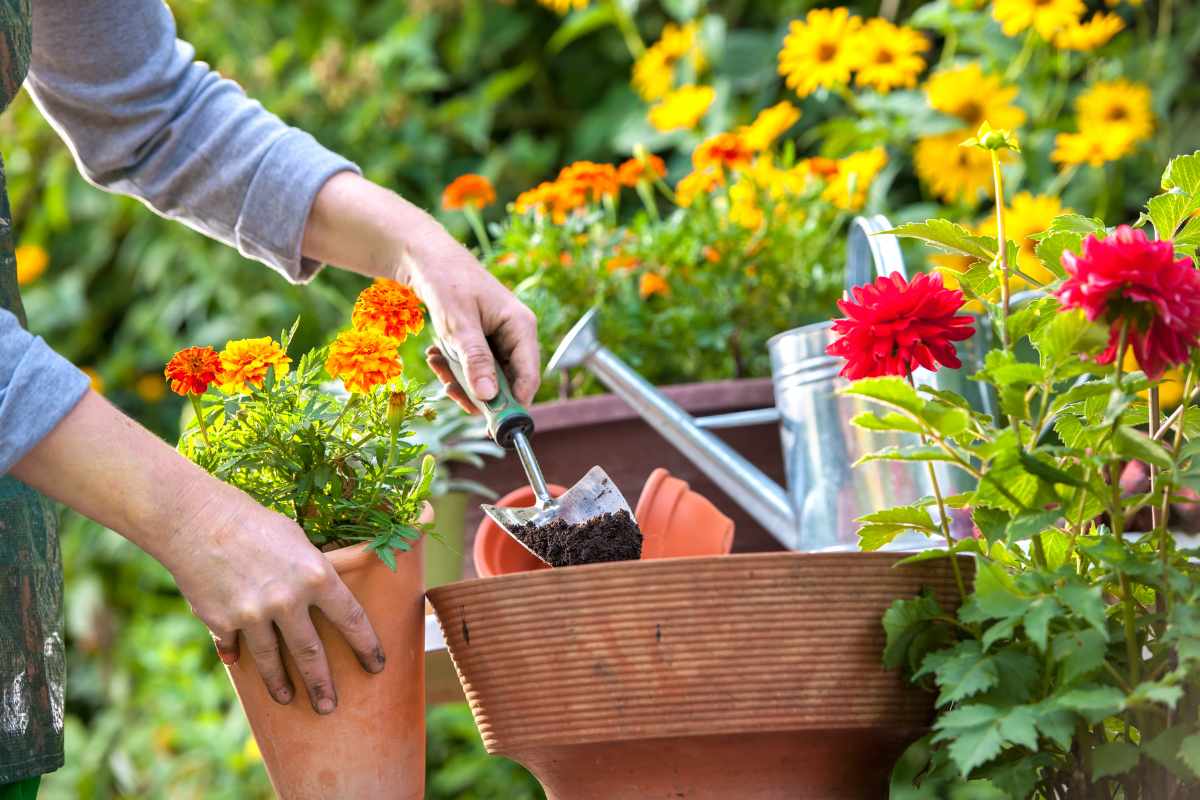
The 3-hour rule refers to the ideal time frame gardeners should wait or act around specific gardening tasks to maximize benefits and reduce plant stress. It often relates to watering schedules and timing other care routines, such as applying fertilizers or pesticides.
The idea is that plants and soil respond best when these activities are done considering the timing of sunlight and temperature changes throughout the day.
This concept emphasizes the importance of planning your gardening work around natural cycles rather than random or convenient times. Doing so can improve water absorption, nutrient uptake, and reduce evaporation or damage to plant tissues.
Applying the 3-Hour Rule to Watering Practices
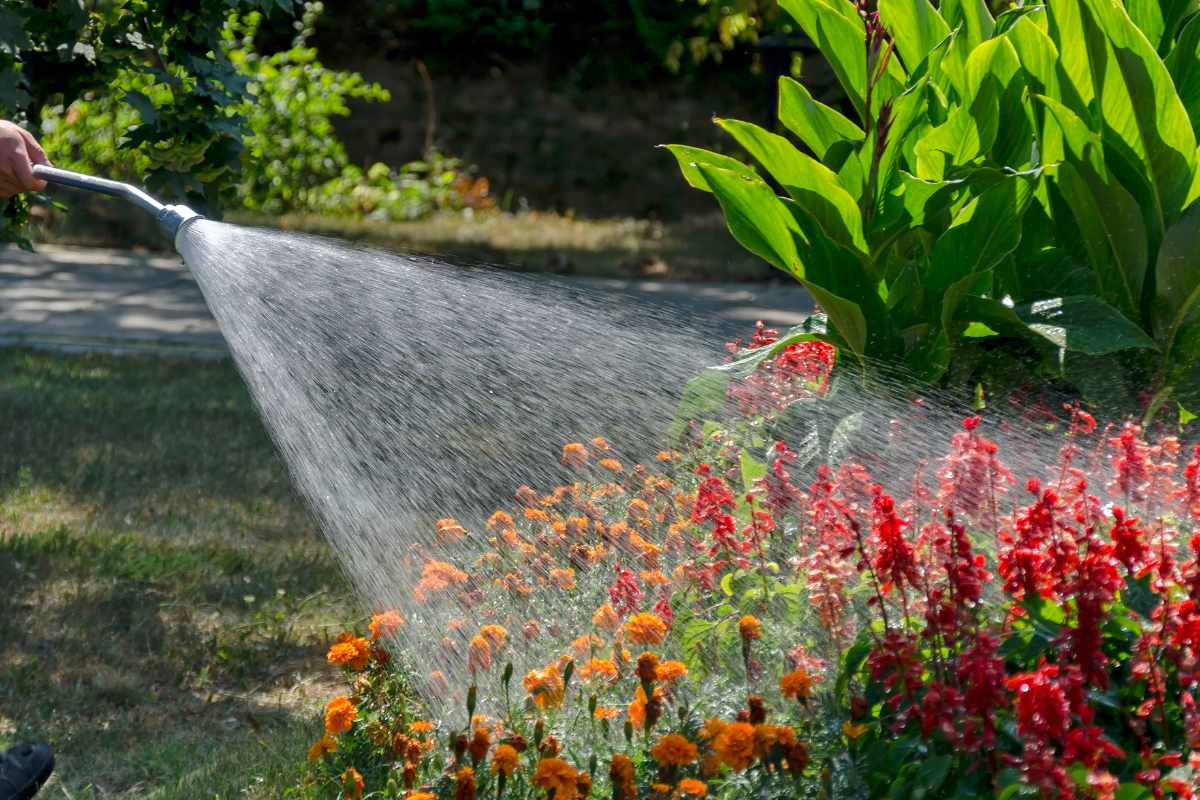
One of the most common uses of the 3-hour rule involves watering plants. Watering during the early morning or late evening, when temperatures are cooler and sunlight is less intense, reduces water loss due to evaporation.
According to this guideline, watering should be completed at least three hours before the hottest part of the day begins, typically midday.
By watering early enough, moisture has time to soak into the soil and reach plant roots, supporting healthy growth.
Watering too late in the day or during peak sun can cause rapid evaporation, wasting water, and potentially causing leaf scorch if water droplets act like lenses under intense sunlight.
Timing Fertilizer and Pesticide Applications
The 3-hour rule also applies to applying fertilizers and pesticides. These chemicals work best when plants can absorb them without immediate stress from harsh environmental conditions.
Applying fertilizer or pesticide during cooler parts of the day and allowing at least three hours before intense sunlight or watering ensures that the treatment penetrates effectively.
This waiting period minimizes runoff and degradation of chemicals caused by heat or water, making treatments more efficient and environmentally friendly.
Importance of Transplanting and Pruning
Transplanting seedlings or pruning plants can cause stress, and timing these tasks with the 3-hour rule in mind helps plants recover more quickly.
Performing these activities during cooler parts of the day and avoiding periods near intense sunlight allows plants to adjust without excessive moisture loss or heat damage.
Waiting at least three hours after transplanting before exposing plants to full sun or watering again gives roots time to settle and start establishing in the new soil.
Planning Your Gardening Schedule Around This Rule
In practice, the 3-hour rule encourages gardeners to plan their daily activities carefully. Early mornings and late afternoons become prime gardening times, offering gentle conditions that benefit both plants and gardeners.
Adapting your schedule not only improves plant health but also makes gardening more enjoyable by avoiding the hottest hours.
Using tools like weather apps and garden journals can help track the best times to perform different tasks according to this principle.

Flexibility and Exceptions to Consider
While the 3-hour rule is a helpful guide, it’s not rigid. Different plants and climates may require adjustments.
For example, succulents in arid regions might need different watering timing than tropical plants in humid environments.
Gardeners should observe their specific conditions and plants’ responses, combining this rule with practical experience. The goal is always to reduce plant stress and promote sustainable growth.
Enhancing Garden Success with Thoughtful Timing
Incorporating the 3-hour rule into your gardening routine is a simple yet effective way to boost plant vitality.
By respecting natural cycles and environmental factors, you optimize water use, chemical treatments, and plant care tasks.
This mindfulness leads to healthier plants, reduced resource waste, and a more rewarding gardening experience. With patience and attention, timing your gardening activities can become one of your most valuable tools.
Did you find this post useful or inspiring? Save THIS PIN to your GARDEN Board on Pinterest!
More Gardening Tips 👇🏼👇🏼