
This is How You Should Prune a Citrus Tree

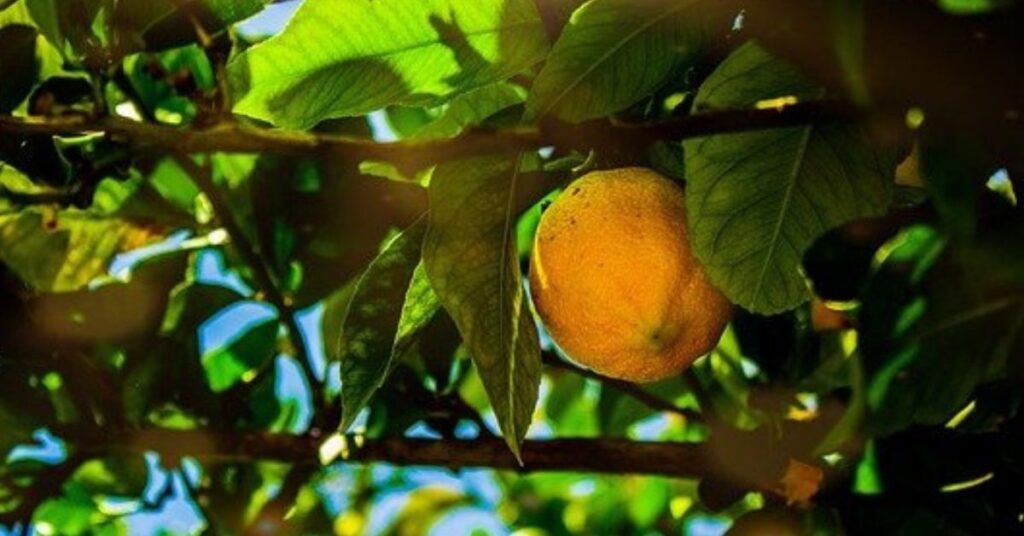
If your lemon, orange, or lime tree is looking crowded or producing fewer fruits, a skeleton prune can help bring it back to health.
By learning the right techniques, timing, and aftercare, you can renew growth, boost yields, and keep your tree thriving for years to come.
When and Why to Prune
Citrus pruning is best done in late winter to early spring, after the danger of frost but before blooming begins.
This timing allows the tree to heal quickly and encourages new, productive growth.
Pruning helps by:
Removing dead, diseased, or broken wood.
Allowing light and air to reach the inner canopy.
Controlling tree height and making harvest easier.
Rejuvenating older trees with declining yields.
Tools and Safety
Essential Tools
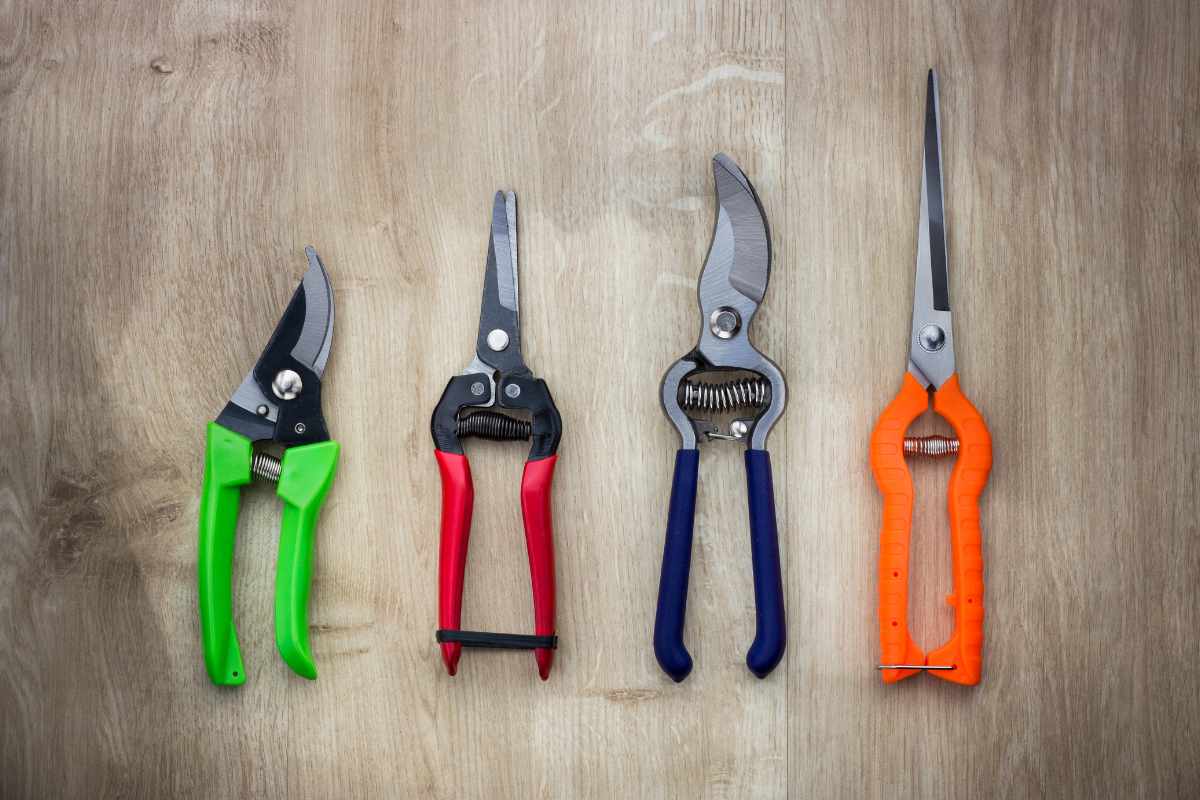
Bypass pruners for small branches.
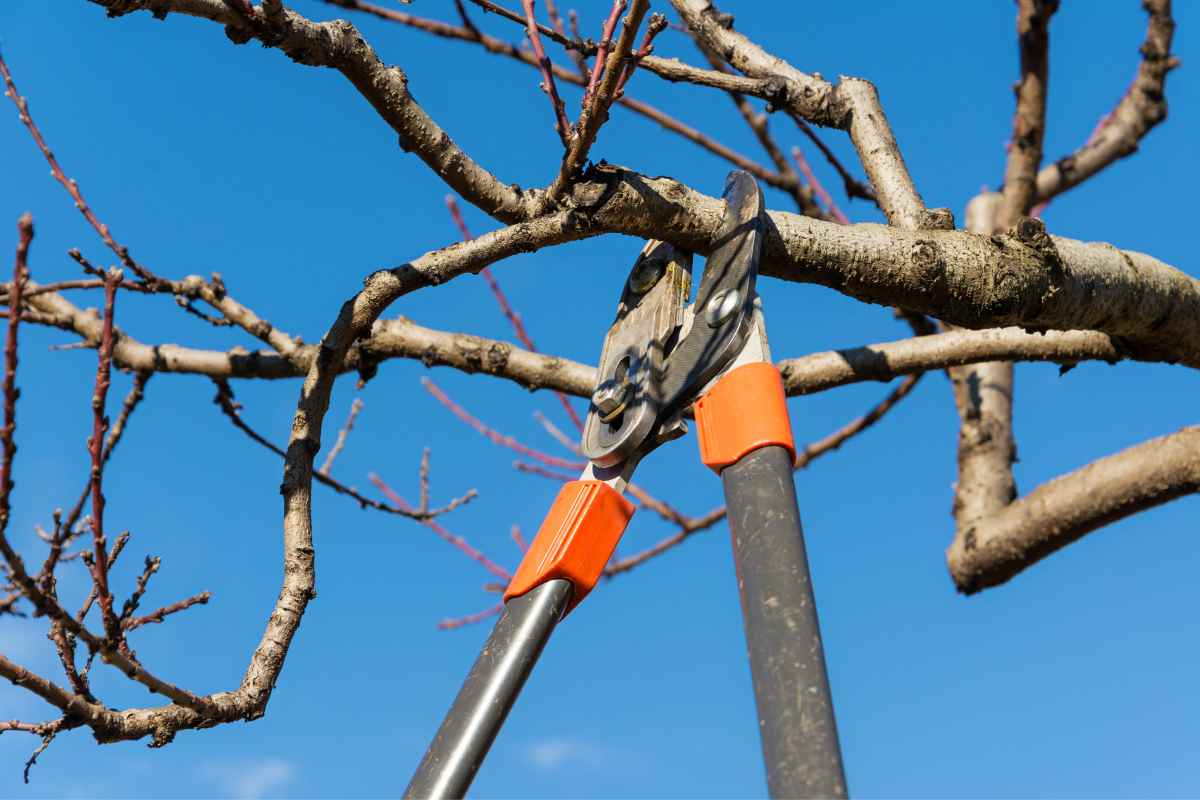
Loppers for medium limbs up to 2 inches.
A pruning saw for larger branches.
Gloves and safety glasses to protect yourself.
Safety Practices
Keep tools sharp and clean for smooth cuts. Disinfect blades with alcohol or a diluted bleach solution, especially when dealing with diseased wood.
Always cut carefully at the branch collar, avoiding stubs that can attract pests or disease.
Step-by-Step Pruning Technique
The Three-Cut Method
For large branches, use the three-cut method to prevent bark tearing:
Make a small undercut 6–12 inches from the trunk.
Cut from the top a few inches further out to remove the branch’s weight.
Finish with a clean cut just outside the branch collar.
Removing Unwanted Growth
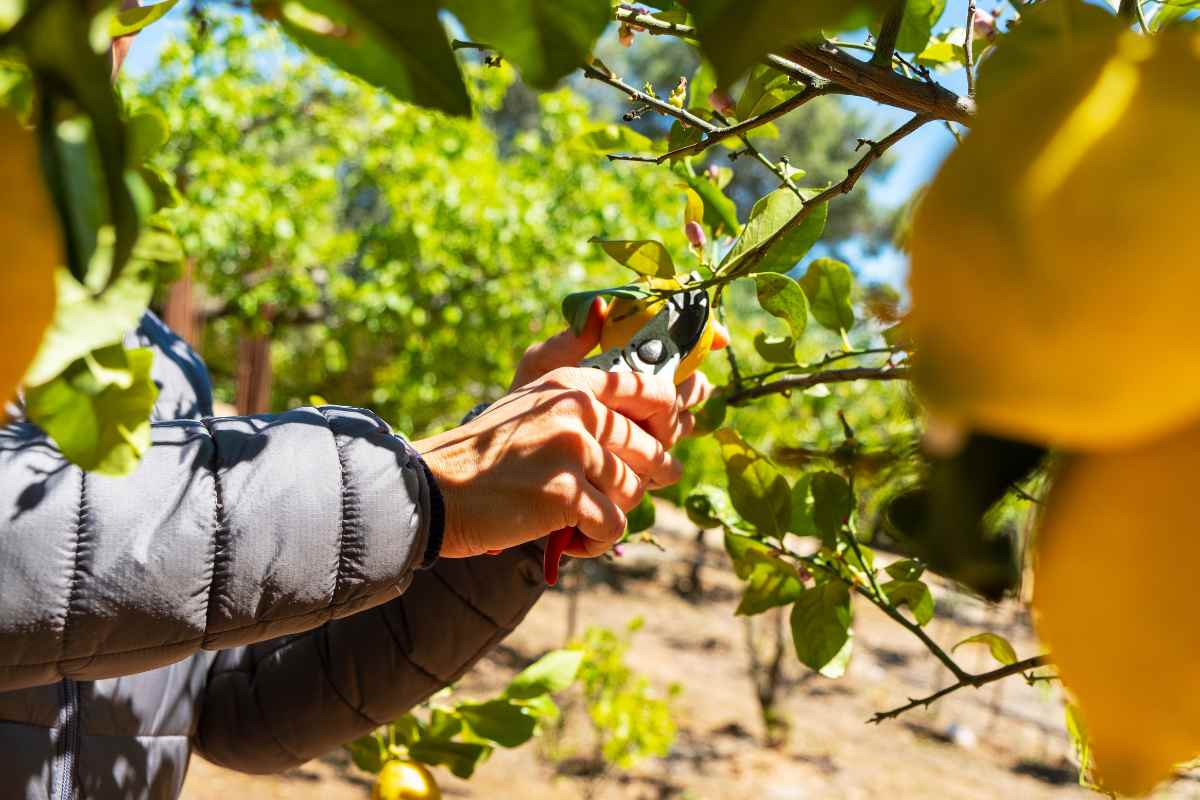
Start by cutting away dead, diseased, or crossing branches. Eliminate suckers or “water sprouts” that grow vertically with little fruiting potential.
Thin the canopy by removing interior shoots to let sunlight reach developing fruit.
Skirting and Thinning
Remove branches that touch the ground or block airflow near the base.
Light thinning throughout the canopy ensures healthier fruit and reduces the chance of fungal problems.

How Much to Prune Safely
Avoid removing more than 15–20% of the canopy in a single season.
Over-pruning can stress the tree, delay fruiting, and expose bark to sunburn.
With older or neglected citrus, rejuvenation should be done gradually over several years rather than in one drastic cut.
Aftercare for Healthy Recovery
Water the tree deeply right after pruning to reduce stress. Hold off on heavy fertilization for a few weeks, then apply a balanced citrus fertilizer if needed once new growth appears.
Monitor the tree regularly for pests like scale or leaf miners, which may take advantage of tender new shoots.
During hot months, watch for sunscald on exposed branches and consider using a light trunk wrap if necessary.
Common Mistakes to Avoid
Pruning too much at once: this reduces fruiting and weakens the tree.
Leaving stubs: always cut cleanly at the branch collar.
Pruning at the wrong time: Avoid heavy cuts before frost or during peak heat.
Using dirty tools: this spreads disease between cuts.
Final Thoughts on Citrus Tree Pruning
A careful skeleton prune can transform an overgrown citrus tree into a healthier, more productive plant.
By choosing the right season, using proper tools, and following safe pruning methods, you’ll encourage fresh growth and enjoy better harvests in the seasons ahead.
Enjoy The Video Tutorial

Source: Gardening Australia
Don’t forget to Subscribe to our Newsletter to receive amazing tips and tricks about Gardening and the FREE Ebook Green Living Strategies!
Did you find this post Useful or Inspiring? Save THIS PIN to your GARDENING Board on Pinterest! 😊

Once again, thank you for visiting our website!
We hope you've enjoyed exploring the content we've created for you.
Give yourself the chance to learn, get inspired, and have even more fun, keep browsing...
More Gardening Tips 👇🏼👇🏼