
Why Some Trees Can “Walk” — The Story Behind the Myth

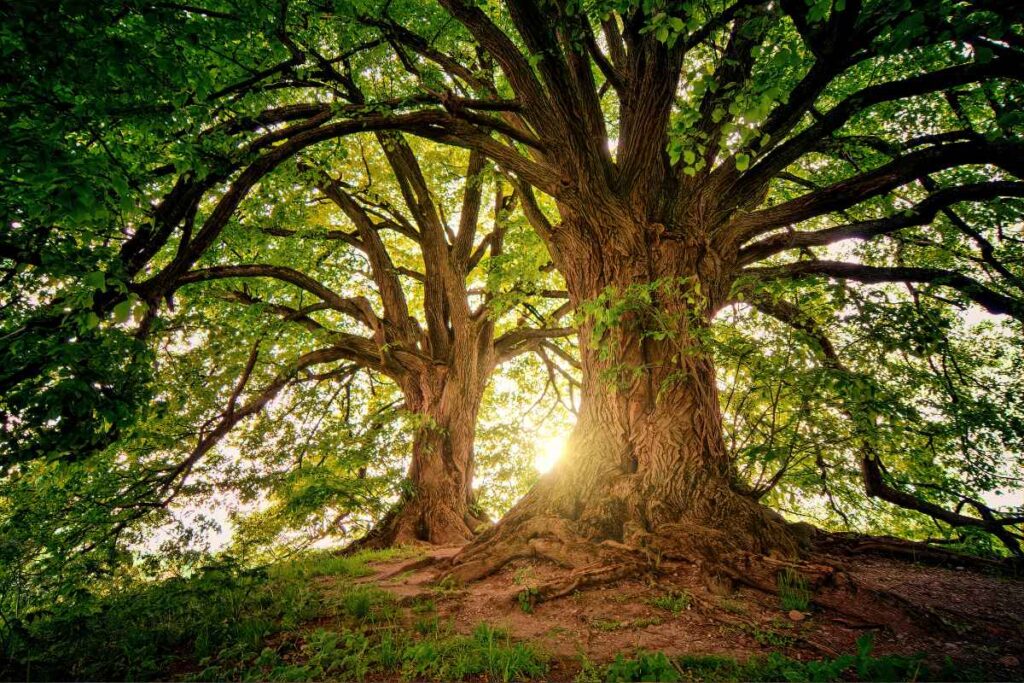
For centuries, tales of trees that walk or move have sparked the imagination of many cultures around the world. From ancient myths to modern-day documentaries, the idea of trees having the ability to walk, migrate, or shift locations seems both fantastical and mysterious.
But is there any truth to these stories, or are they simply the product of myth and legend? In this article, we will explore the origins of this captivating myth, the science behind it, and the real trees that inspired these stories.
The Myth of Walking Trees
The idea of trees that can "walk" or "move" is deeply embedded in the folklore of many indigenous cultures. In some legends, the trees are described as sentient beings that can uproot themselves and travel across the land.
These walking trees were often seen as spiritual beings or guardian figures, watching over the forests and the animals within them.

Indigenous Tales of the Walkers
In the Amazon rainforest, indigenous tribes have long shared stories of the “walking” trees, which are said to migrate in search of better growing conditions. These stories speak of trees that, under the cover of darkness, can slowly shift their position, walking from one location to another.
The most famous of these legends centers around the “Cecil” tree, said to be a massive tree whose roots could crawl, causing it to walk across the forest floor. For generations, local tribes have revered these trees as sacred and have considered them to be guardians of the forest.
Similarly, in Greek mythology, trees were often associated with gods and nymphs, who were believed to have the power to move or influence the world around them. While walking trees were never explicitly mentioned, countless stories of trees served as symbols of life, death, and rebirth, suggesting that the ability to move or migrate may have been metaphorically linked to the growth and seasons of the natural world.
The Real Trees Behind the Myth
While the myth of walking trees has captivated the human imagination, there are actual species of trees that display remarkable mobility, though not in the sense that folklore describes. The true "walking" trees are the result of fascinating natural processes rather than mystical forces.
The Socratea Exorrhiza — The Walking Palm
One of the most famous trees associated with this myth is the Socratea exorrhiza, commonly known as the walking palm or walking tree. Found primarily in the rainforests of Central and South America, particularly in Panama and Colombia, the walking palm has long been a subject of fascination. While it doesn’t actually walk, the tree has an unusual method of growth that has led to the belief that it is capable of movement.
The walking palm has stilt roots — long, slender roots that grow from the base of the tree and extend outwards, reaching toward the ground. Over time, as the tree’s roots grow and new ones develop, older roots die off, causing the tree to “lean” towards the direction where it can find more favorable conditions, such as better sunlight or access to water.
This process can give the appearance that the tree is slowly moving across the forest floor, especially when multiple trees are seen shifting their positions.
Although the walking palm doesn’t truly walk, its roots allow it to move gradually in search of a better position. This fascinating adaptation helps the tree stay upright in the dense, swampy soils of the tropical rainforest, where the ground is often too soft for traditional root growth. This evolutionary strategy has undoubtedly contributed to the myth of the tree's ability to walk.
The Candelabra Tree and Its Mythical Migration
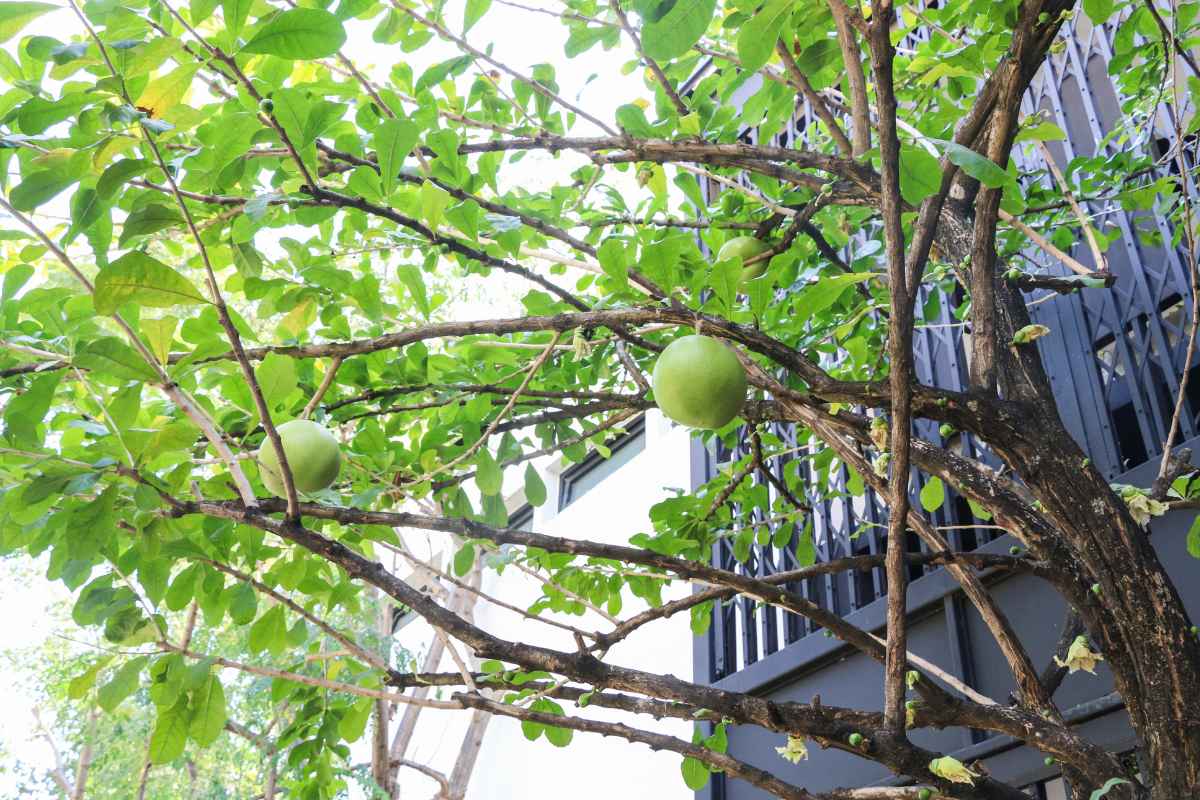
Another tree that inspired stories of movement is the Candelabra tree (Crescentia cujete). Found in parts of Mexico, Central America, and the Caribbean, this tree grows large, thick trunks and is known for its remarkable flexibility.
Unlike the walking palm, the Candelabra tree does not have any stilt roots, but it has been said to migrate slowly across the land.
The myth surrounding this tree stems from the fact that, over time, it can spread its roots over large distances, and in some cases, it can even send new shoots from the base of the trunk. This gives the illusion that the tree is expanding or moving from one spot to another.
Some indigenous cultures have interpreted this movement as a kind of migration, further fueling the belief that the tree was capable of walking. These myths may have originated as a way of explaining the trees' ability to adapt and survive in challenging environments.
Why Do Some Trees Seem to Move?
The notion of walking trees is not merely a product of human imagination. There are several natural processes that can make trees appear as though they are moving, even though they don’t literally walk.
Geotropism and Phototropism
One of the reasons trees seem to "move" or change position is due to the phenomenon known as geotropism, or gravitropism. This is the response of plant roots to gravity. In some cases, plant roots can sense the direction of gravitational pull and grow in the direction of gravity.
Similarly, phototropism is the response of plants to light, where the roots and stems grow towards areas with more sunlight. Together, these two forces allow trees to gradually adjust their growth to find the most favorable conditions.
In Socratea exorrhiza, for example, the tree’s roots grow toward the direction of better soil and sunlight, which can make it appear as though the tree is slowly moving across the forest floor. This gradual movement is actually a result of the tree adapting to its environment to optimize growth.
Rooting Behavior
Many trees have the ability to send out new roots from their base or trunk in search of nutrients. As these new roots grow and anchor themselves, older roots may die off or become less effective. In some cases, the new roots may give the impression that the tree is “walking” or shifting its position.
Walking Trees — Fact or Fiction?
While there’s no evidence that trees can physically walk like humans or animals, the stories of trees that move or migrate are based on real natural phenomena that can make it appear as though the trees are moving.
The Socratea exorrhiza and the Candelabra tree are two examples of plants with fascinating adaptations that have contributed to the myth of walking trees.
These natural processes are a testament to the resilience and adaptability of trees. Over time, humans have woven these incredible adaptations into captivating myths that highlight the mysterious and mystical qualities of nature.
Whether in folklore or in real life, trees continue to inspire awe and wonder, reminding us of the endless ways in which the natural world surprises and fascinates us.
So, while your garden trees may not be able to walk across your lawn, they certainly possess the power to inspire myths and stories that continue to captivate our imagination.
Did you find this post useful or inspiring? Save THIS PIN to your GARDEN Board on Pinterest!

More Gardening Tips 👇🏼👇🏼