
3 Edible Herbs That Come Out In Your Garden

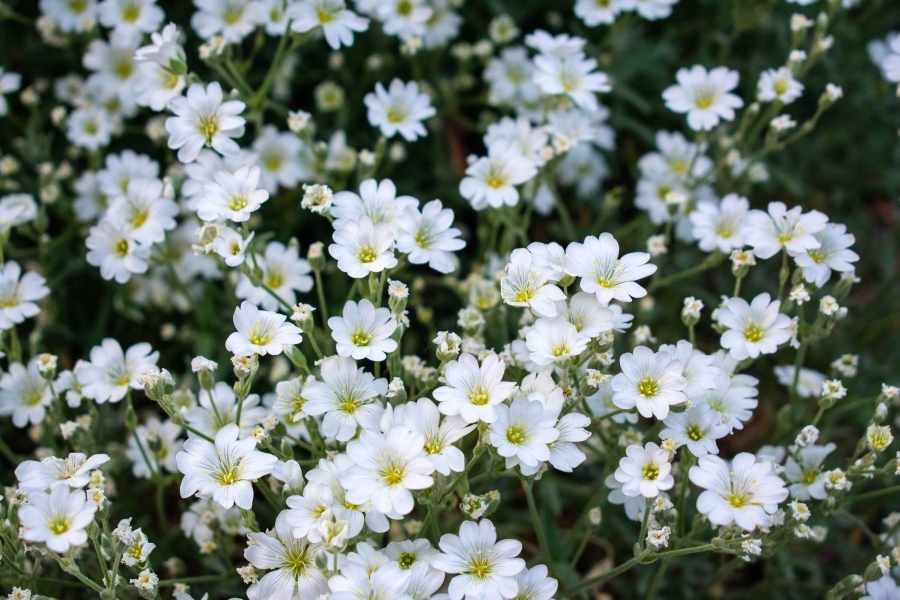
Weeds are believed to be the gardener's archenemy. They drown crops, steal water, absorb sunlight, and create what some consider an eyesore in impeccably manicured flower beds and lawns.
However, not all of them are bad: it turns out that edible weeds are extremely useful. Instead of burning your abundance of dandelion, dandelion, or wild amaranth, or worse yet, spraying them with toxic herbicide, take the zero-waste approach and reuse them in dandelion tea, amaranth seed polenta, or chicken pesto. garbanzo beans.
The term "grass" is itself so relative that its definition is always changing. Historically, weeds have been associated with invasive plants, but research in recent decades has revealed that many species considered weeds today evolved from domestic (i.e., native) ancestors.
Therefore, their defining quality is undesirable: they are unpleasant to see or they pose some kind of biological threat.
Dandelion (Taraxacum officinale)
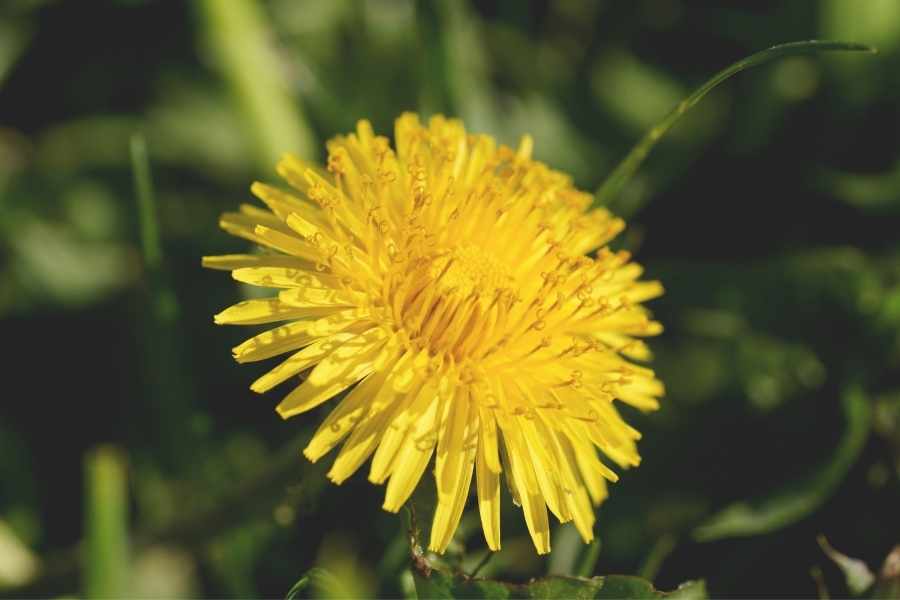
The quintessential herb, dandelion, is rich in vitamins A, C, and K. It also contains vitamin E, iron, calcium, magnesium, potassium, and B vitamins. Every part of this flowering herb, from roots to flowers bright yellow in color, it can be eaten raw. or cooked.
Dandelion leaves can be harvested at any time during the growing season, and while the younger leaves are considered less bitter and more flavorful raw, the larger leaves are delicious additions to the salad.
If raw dandelion leaves don't suit you, they can also be steamed or added to a stir fry or soup, which can make them less bitter. The sweet and crunchy flowers can be eaten raw or breaded and fried.
Use them to make dandelion wine or syrup. Dandelion root can be dried and roasted and used as a substitute for coffee or added to any recipe that includes root vegetables.
Clover (Trifolium)

Spherical clover flowers and supposedly lucky leaves are a common food source for bees and drones, but they are also excellent additions to human food.
There are several types of clover, the most common being the red clover (which grows tall) and the white clover (which extends outward). Both are rich in protein, minerals, and carbohydrates.
Small amounts of raw clover leaves can be cut into salads or sautéed and added to dishes for a green touch. Red and white clover flowers can be eaten raw or cooked, or dried to make clover tea.
Chickweed (Stellaria media)
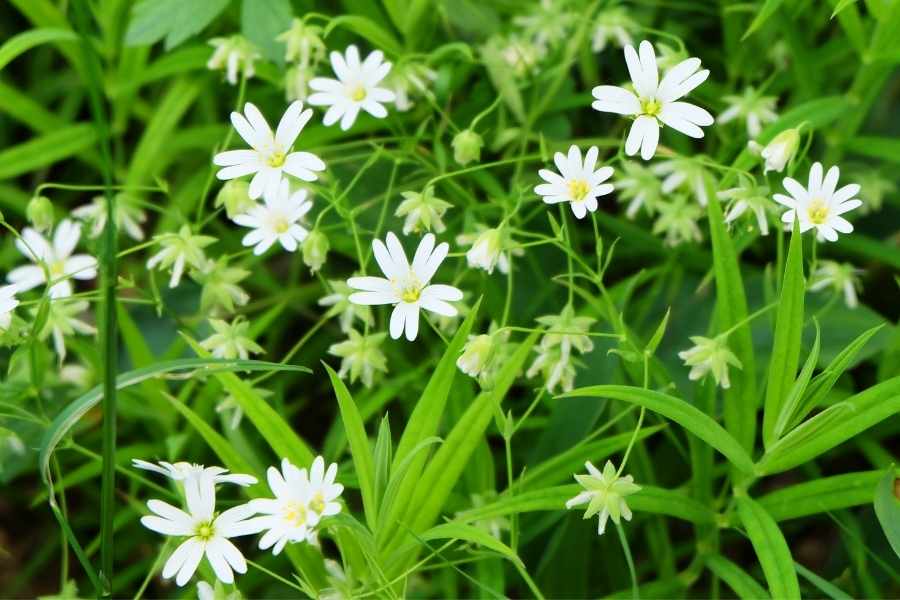
Chickweed is a broad-leaved weed that belongs to the carnation family. It has small, white flowers, each containing five split petals (appearing as 10 petals) and growing in clusters on hairy stems.
Chickweed is a hardy plant that can appear on roadsides or riverbanks and can thrive in virtually any soil. It is rich in vitamins A and C and contains as much calcium as dandelion.
Chickpea leaves stems, and flowers can be eaten raw, added to sandwiches and salads or ground into a pesto, or cooked. The plant tastes grassy, similar to spinach.
We hope you enjoy watching this video about Edible Herbs
Source: Rob Greenfield
Did you find this post Useful or Inspiring? Save THIS PIN to your GARDENING Board on Pinterest! 😊

Once again, thank you for visiting our website!
We hope you've enjoyed exploring the content we've created for you.
Give yourself the chance to learn, get inspired, and have even more fun, keep browsing...
More Gardening Tips 👇🏼👇🏼