
5 Biggest Garden Mistakes to Avoid and How to Fix Them

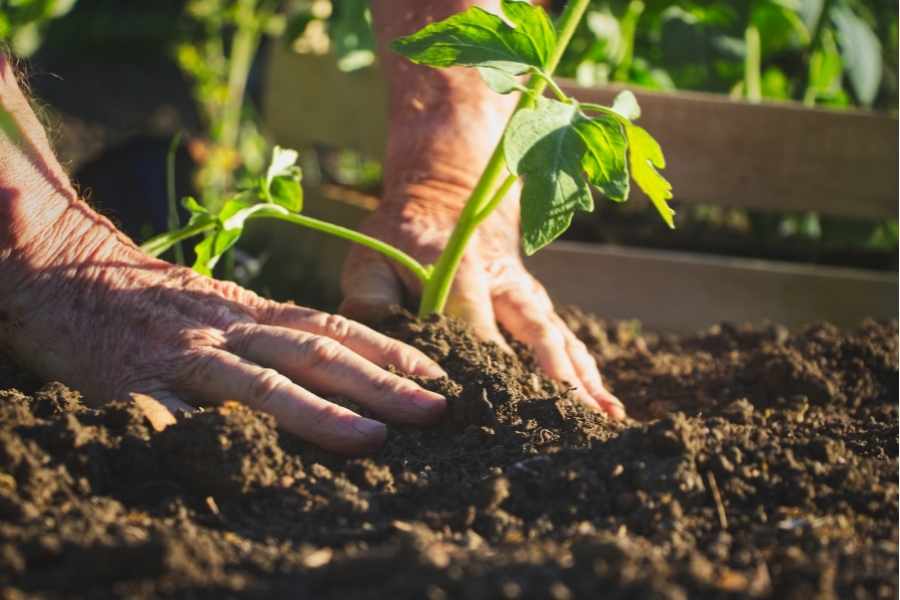
The biggest garden mistakes are skipping a plan, ignoring pests until they explode, letting volunteer seedlings take over, leaving no room for native plants, and guessing about your soil instead of testing it. Each one is easy to fix once you know what to look for, and fixing them saves money, time and a lot of disappointing harvests.
Below are the five mistakes the Suburban Homestead channel calls its biggest, with advice from university extension services on how to avoid them.
1. Planting Without a Garden Plan
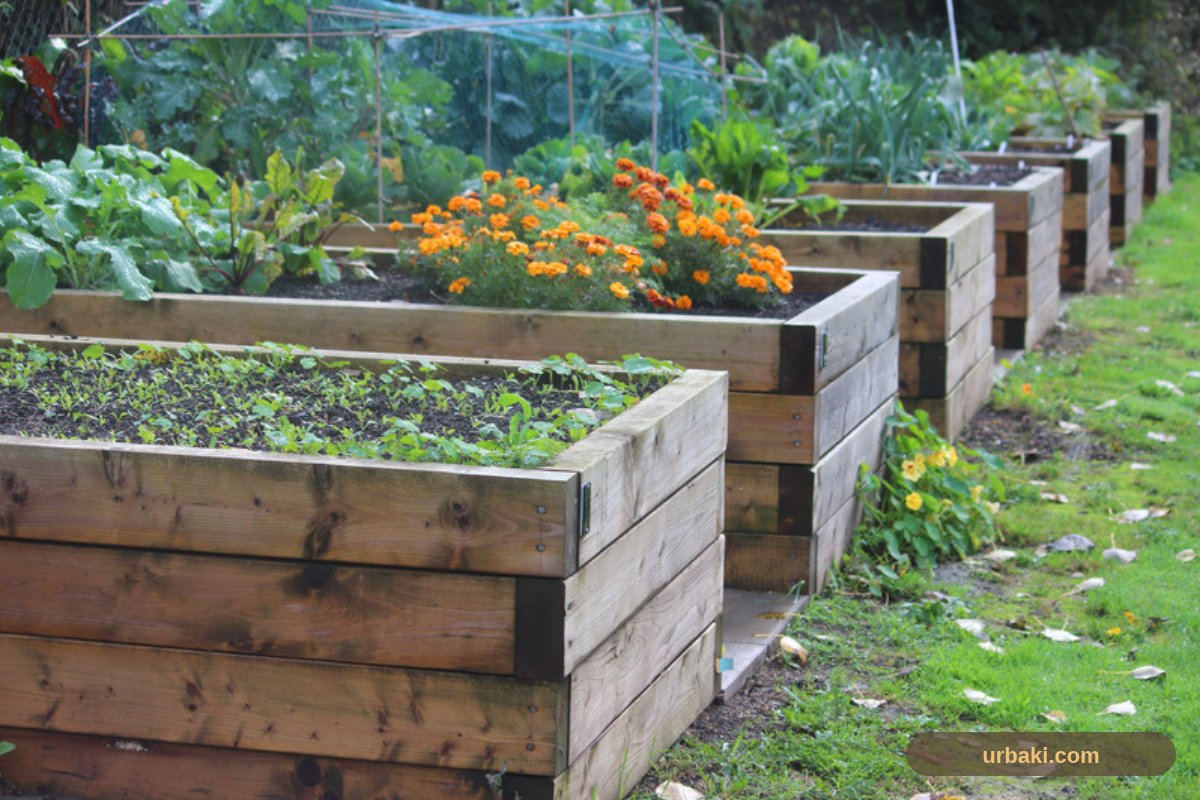
Buying plants first and finding a spot for them later is the classic beginner error, and experienced gardeners still fall for it in spring. University of Illinois Extension advises asking four questions before you buy anything: what is the soil like, how much sun does the spot get, how well does it drain, and how much space is there.
Sun is the factor people misjudge most. UConn Extension defines full sun as at least six to eight hours of direct sunlight a day, part sun or part shade as four to six hours, and shade as less than four. Watch the spot through a full day, and check it again after nearby trees leaf out, because a bed that is sunny in April can be shaded by June.
- Sketch your beds on paper and note sun hours for each one.
- Put tall crops on the north side so they do not shade shorter plants.
- Group plants with similar water needs together.
- Plan access paths so you never have to step on growing beds.
If you are starting from scratch, our guide to planning a garden layout for beginners walks you through the first sketch.
2. Letting Persistent Pests Get Ahead of You
Many pest problems start small: a few aphids under a leaf, one squash bug, a couple of holes in a cabbage. The mistake is waiting until the damage is obvious, when the population has already multiplied.
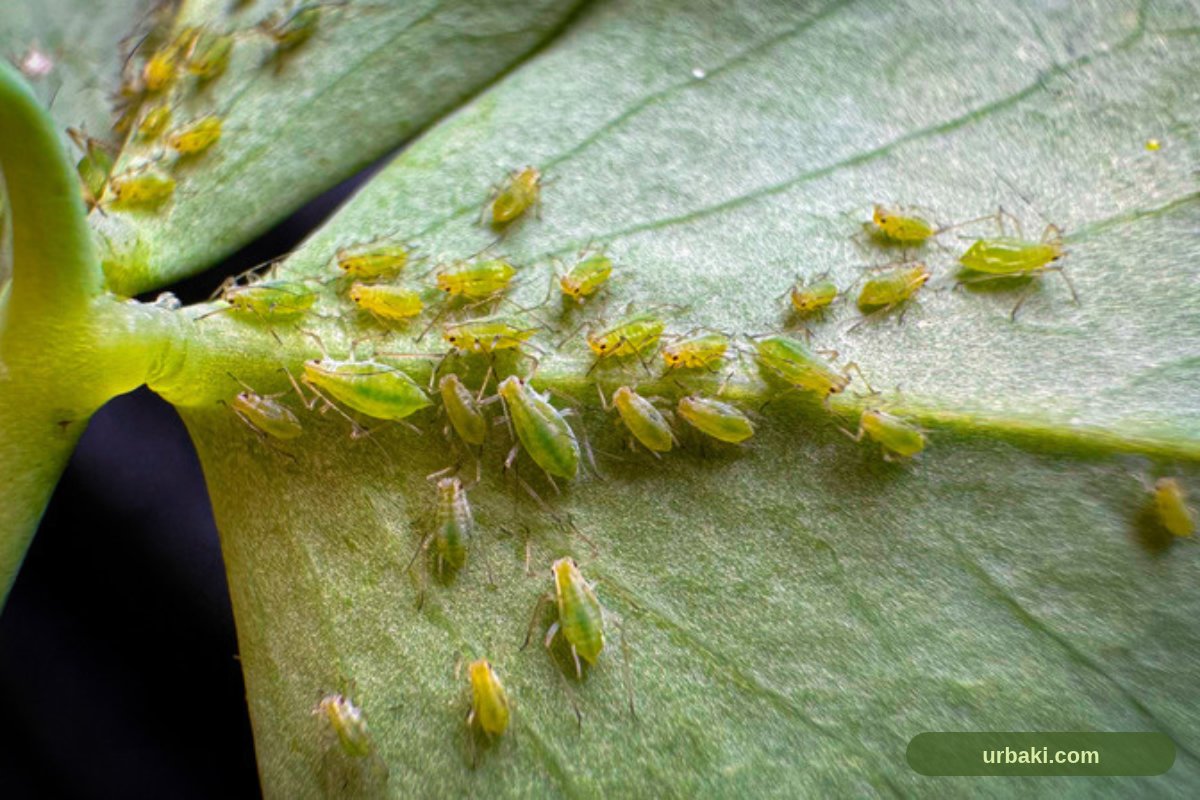
Walk the garden a few times a week and turn leaves over, since many pests hide on the undersides. Remove the first insects by hand, knock aphids off with a strong spray of water, and clear away plant debris at the end of the season where pests can overwinter. Before reaching for a spray, read our look at the pros and cons of using pesticides in your garden.
3. Ignoring Volunteer Plants
Volunteers are plants that come up on their own from last year's dropped seeds, compost or tubers: tomatoes, squash, dill, cilantro, potatoes and many self-seeding flowers. A few can be a bonus. Left alone, they crowd planned crops, compete for water and nutrients, and can carry over diseases from the previous season.
The fix is to decide early. Pull volunteers while they are small, or transplant the ones you want to a spot where they fit your plan. Removing spent flowers before they drop seed keeps the number of volunteers manageable next year.
4. Leaving No Room for Native Plants
A garden made only of vegetables and imported ornamentals misses an easy win. Native plants are adapted to local soil and weather, and they support the pollinators and predatory insects that help keep pests in check. In the video, the creator explains why he now leaves space for natives in and around his beds.
Plant a border of native flowers near the vegetable garden, or keep one corner for them. University of Illinois Extension also warns against planting invasive species, even free ones from neighbors. Native plants also bring birds, which is the subject of our post on birds and native plants.
5. Guessing About Your Soil
Poor growth, yellow leaves and weak harvests are often blamed on the weather when the real problem is the soil. University of Illinois Extension is blunt about it: get a soil test before adding fertilizer. Adding nutrients your soil already has wastes money and can do more harm than good.
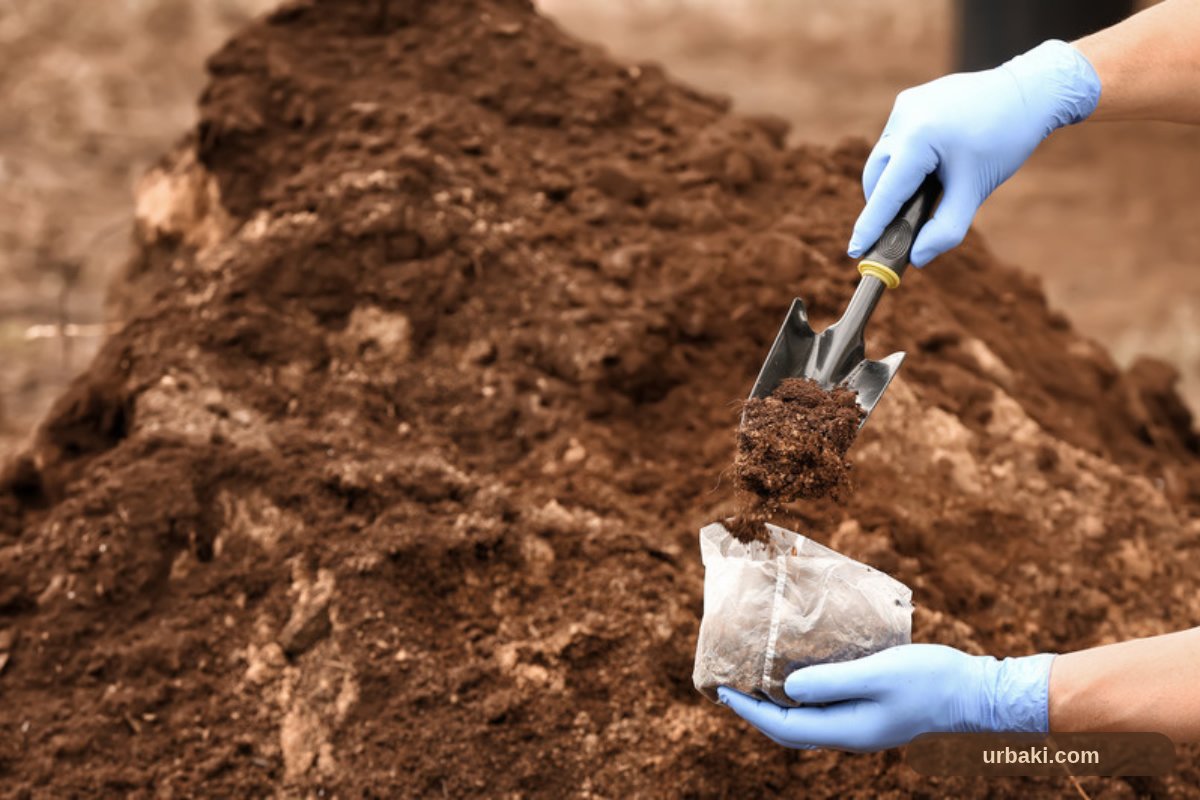
UConn Extension recommends testing whenever you start a new garden or when it has been at least five years since the last test. A lab test tells you the pH and nutrient levels and what to add, and your local extension office can usually process one. If your test shows the pH is off, here are some easy ways to adjust soil pH.
Quick Checklist Before Next Season
- Sun: full sun is 6 to 8 hours of direct light a day (UConn Extension).
- Soil test: for every new bed, and at least every five years after that.
- Fertilizer: only what the soil test says you need.
- Mulch around trees: never deeper than 4 inches (University of Illinois Extension).
Watch: 5 Biggest Garden Mistakes
In this video, Suburban Homestead walks through each mistake in his own garden, with a soil testing segment featuring Greg Wolgast of the Some Room to Grow channel.
Source: suburban homestead
Frequently Asked Questions
What is the most common mistake new gardeners make?
Putting plants in the wrong place. A sun-loving vegetable in a spot with four hours of light, or a shade plant in full afternoon sun, will struggle no matter how well you water and feed it. Checking sun hours and soil before planting prevents most early failures.
How often should I test my garden soil?
Test when you start a new garden and again when it has been at least five years since the last test, according to UConn Extension. Test sooner if plants show problems that better watering does not fix.
More Gardening Ideas
- How to Improve Clay Soil Without Digging It Up
- 9 Vegetable Garden Ideas for Beginners
- Flowers That Help Repel Garden Pests
Did you find this post Useful or Inspiring? Save THIS PIN to your GARDENING Board on Pinterest!

Once again, thank you for visiting our website!
We hope you've enjoyed exploring the content we've created for you.
Give yourself the chance to learn, get inspired, and have even more fun, keep browsing...
More Gardening Tips 👇🏼👇🏼