
All You Need To Know about Pennyroyal Plant


The pennyroyal plant is a fascinating yet controversial member of the mint family.
Known for its aromatic leaves and long history in traditional remedies, it has also earned a reputation for being highly toxic if consumed or used improperly.
Gardeners appreciate its ability to act as a natural insect repellent and as a ground cover, but growing it requires both care and caution.
In this guide, we’ll explore everything you need to know about pennyroyal—from its two main varieties and cultivation tips to its invasive tendencies, potential uses, and critical safety considerations.
Types of Pennyroyal
There are two main types of pennyroyal:
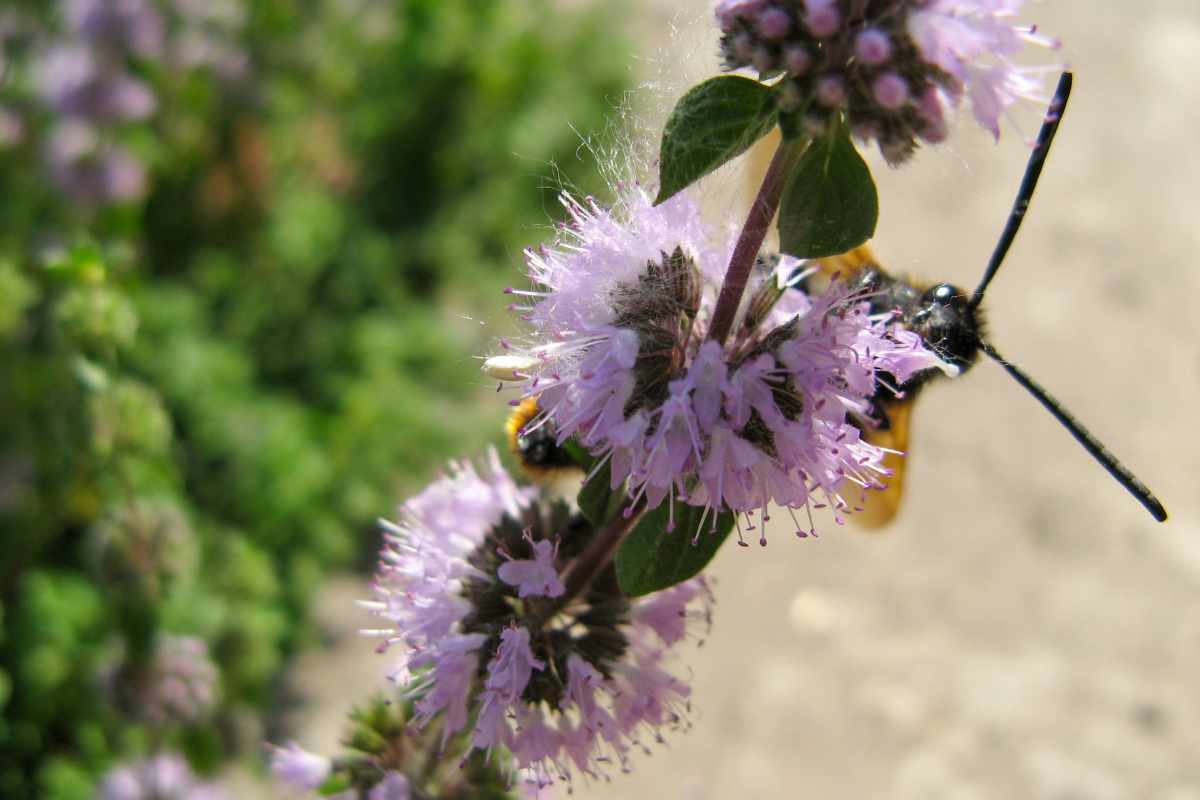
European Pennyroyal (Mentha pulegium): Native to Europe, Africa, and the Middle East. This variety has creeping stems, small lilac flowers, and a strong minty aroma.
American Pennyroyal (Hedeoma pulegioides): Found in North America, it looks more like a low-growing annual herb with smaller leaves and a slightly different scent profile.
Although both share similar insect-repellent properties, they differ in appearance and growth habits.

Growing Pennyroyal in the Garden
Light and Location
Pennyroyal thrives in full sun to partial shade. Choose a location where it gets at least 4–6 hours of sunlight per day.
Soil Needs
This plant prefers moist, fertile, and well-draining soil with a slightly acidic to neutral pH. It does not tolerate drought well, so soil that holds some moisture is ideal.
Watering
Regular watering is essential, especially during dry periods. The soil should stay evenly moist but never soggy. Container-grown pennyroyal may require more frequent watering.

Propagation
Pennyroyal can be propagated by:
Seeds: Start indoors in early spring and transplant after frost. Seeds need light to germinate, so avoid burying them deeply.
Division or cuttings: Divide root clumps in spring or take cuttings in summer for faster establishment.
Winter Care
In mild climates, pennyroyal can survive winter outdoors.
In colder zones, consider growing it in containers and bringing it indoors to protect it from frost.
Mulching can also help perennials overwinter safely.

Managing Pennyroyal’s Invasive Nature
Like many mint relatives, pennyroyal spreads aggressively through creeping rhizomes. Without proper control, it can quickly take over a garden bed. To manage it:
Grow pennyroyal in containers or raised beds to limit spread.
Regularly trim or harvest foliage to keep growth in check.
Dig up unwanted runners promptly.
These simple steps will help you enjoy the benefits of pennyroyal without worrying about it invading other plants.
Common Pests and Problems
While pennyroyal is generally resistant to most insects due to its strong aroma, it can still be affected by:
Powdery mildew in humid conditions.
Rust and leaf spot in poorly ventilated areas.
Occasional aphids or spider mites indoors.
Good airflow, proper watering, and periodic trimming can prevent most of these issues.

Uses of Pennyroyal
Natural Insect Repellent
Fresh or dried pennyroyal leaves have long been used to repel fleas, mosquitoes, and ants.
Placing sprigs in pet bedding or rubbing leaves on clothing was once a common practice—though it must be done carefully due to concerns about toxicity.
Ornamental and Ground Cover
Because of its creeping growth habit and fragrant foliage, pennyroyal makes an attractive ground cover or border plant. It produces small purple flowers in summer that attract pollinators.
Historical Medicinal Uses (Not Recommended)
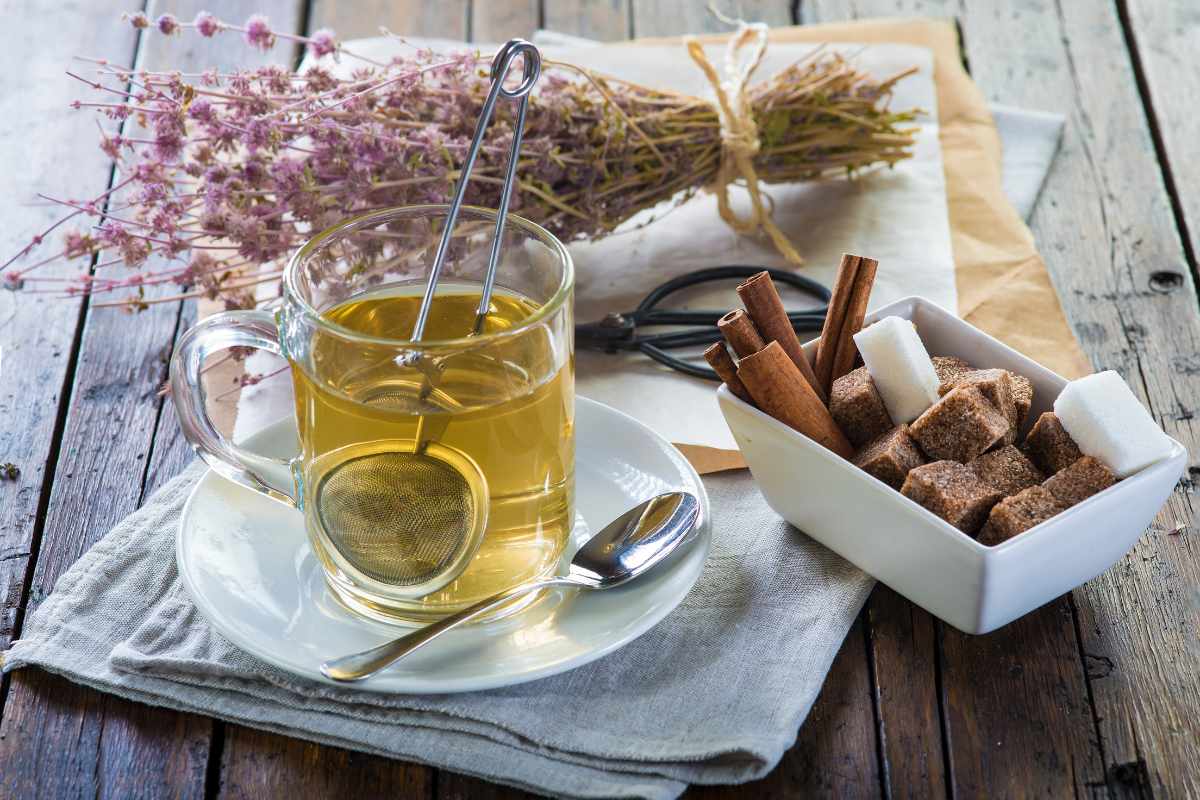
Traditionally, pennyroyal tea or oil was used for digestive issues, menstrual regulation, and as an abortifacient.
However, modern medicine strongly warns against its use due to serious toxic effects.
Safety and Toxicity Warnings
This is the most critical section when it comes to pennyroyal.
The plant contains pulegone, a compound that is extremely toxic to humans and animals. Even small amounts of pennyroyal oil can cause:
Liver and kidney damage
Seizures
Respiratory failure
In severe cases, death
Important safety notes:
Never ingest pennyroyal tea, oil, or concentrated extracts.
Keep away from pregnant women, children, and pets, as poisoning cases have been documented in all three groups.
Limit its use to ornamental or outdoor repellent purposes only.
Frequently Asked Questions
Is pennyroyal edible?
No. While historically used in teas, modern health experts advise against consuming pennyroyal in any form due to toxicity.
Can I grow pennyroyal indoors?
Yes, but only in containers placed in bright light. Be extra cautious if you have pets or children.
What’s the safest way to use pennyroyal?
Stick to ornamental gardening or as a pest deterrent outdoors. Avoid direct skin contact with essential oils.

Final Thoughts on Pennyroyal
The pennyroyal plant is beautiful, aromatic, and practical as a natural repellent and ground cover. Yet its toxic properties mean it must be handled with extreme care.
If grown responsibly—in containers, with awareness of its invasive nature, and with safety in mind—it can still play a role in your garden.
Respect pennyroyal for what it is: a powerful herb best admired for its fragrance and ornamental value, rather than for consumption or medicinal use.
Did you find this post Useful or Inspiring? Save THIS PIN to your Gardening Board on Pinterest! 😊

Once again, thank you for visiting our website!
We hope you've enjoyed exploring the content we've created for you.
Give yourself the chance to learn, get inspired, and have even more fun, keep browsing...
More Gardening Tips 👇🏼👇🏼