
AMAZING You Can Grow Your Own Saffron!


Saffron, often called the “red gold” of spices, is one of the most valuable and aromatic spices in the world.
Known for its vibrant color, delicate flavor, and culinary versatility, saffron adds a touch of luxury to any dish.
But did you know you can grow saffron in your own home? With a little care and patience, you can enjoy this exquisite spice straight from your garden or balcony.
What Is Saffron?
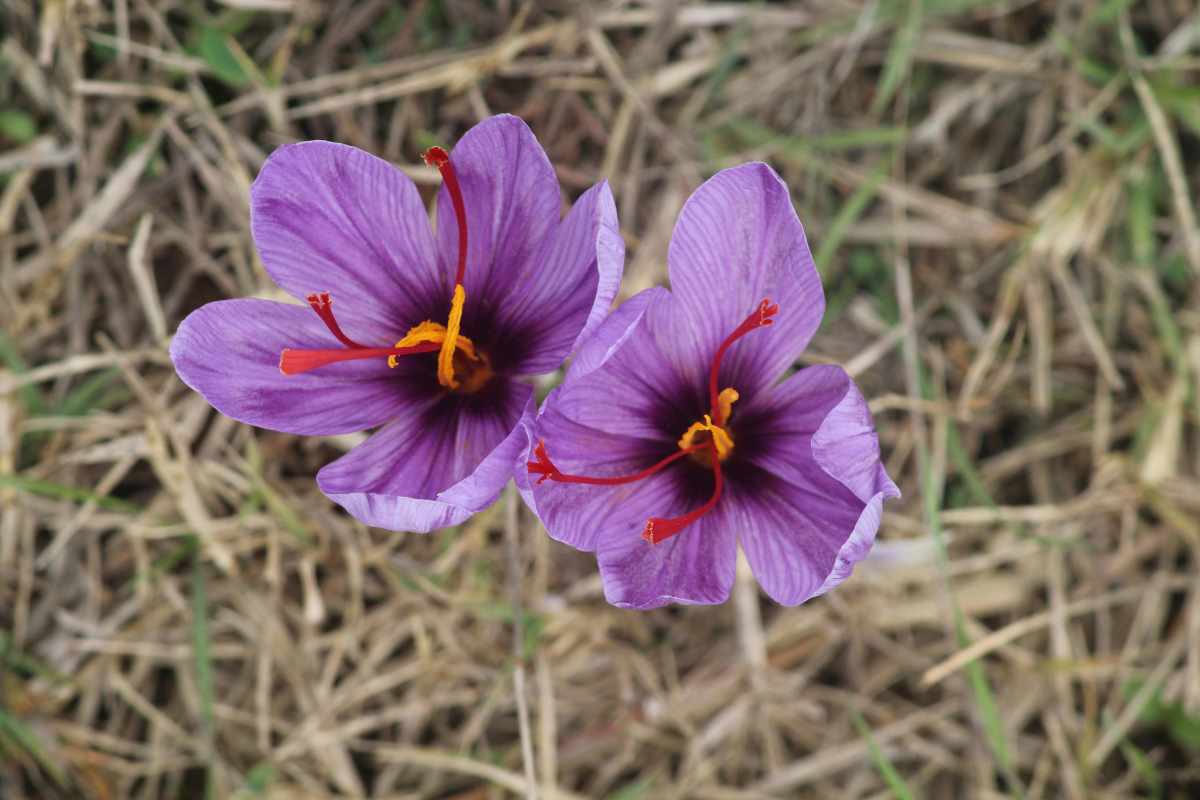
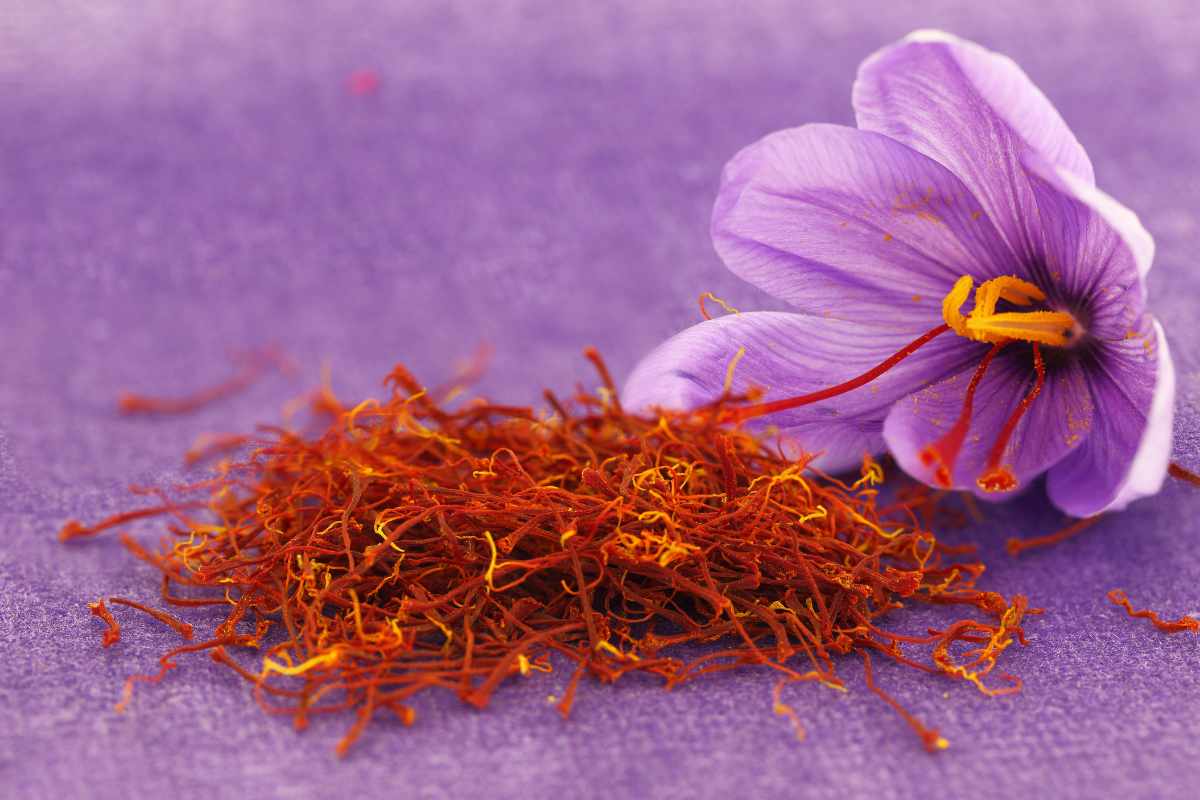
Saffron comes from the delicate stigmas of the Crocus sativus flower, a small purple flower that blooms in autumn.
Each flower produces just three red stigmas, which are carefully harvested and dried to become the saffron threads we use in cooking.
This labor-intensive process is why saffron is so precious—but growing it at home makes it accessible and rewarding.
How to Plant Saffron Bulbs
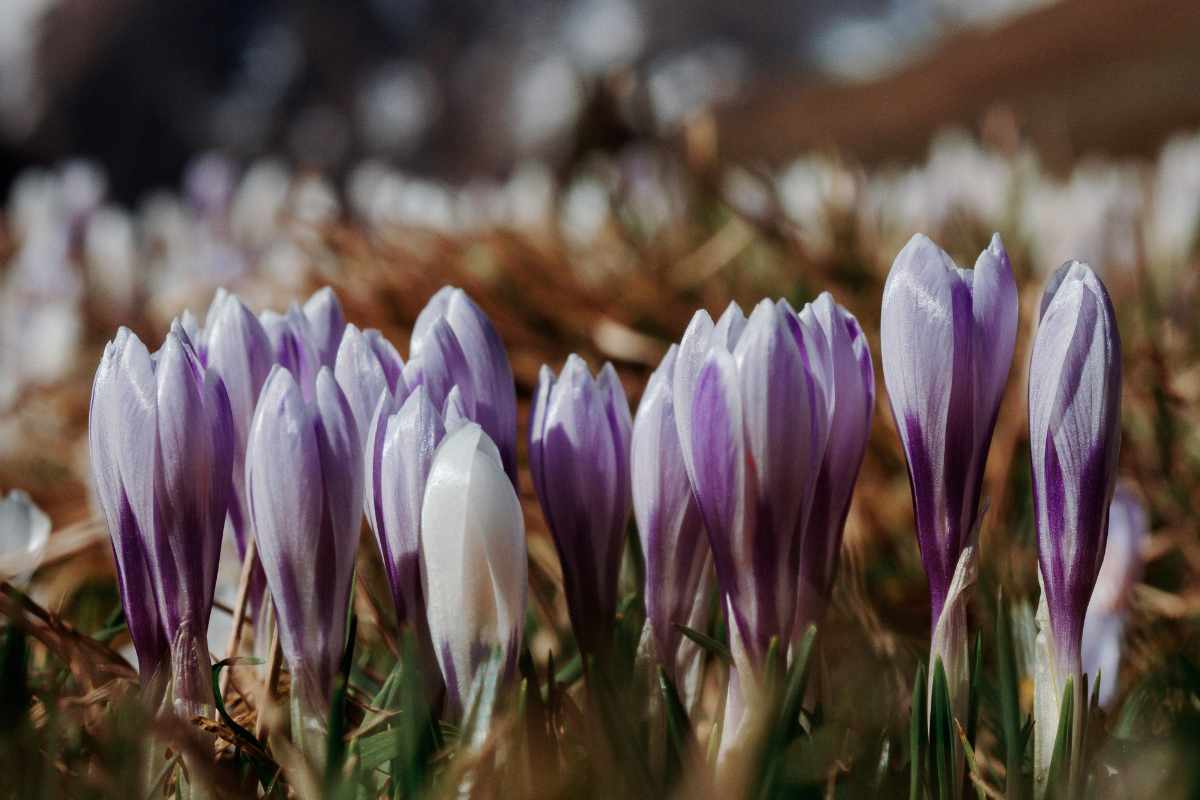
Growing saffron starts with healthy corms (bulbs). Follow these steps:
Choose the right container or garden bed: Saffron prefers well-draining soil. If planting in pots, ensure drainage holes are present.
Planting depth: Plant corms about 3 inches deep and space them 4–6 inches apart.
Soil requirements: A sandy or loamy soil mix with good drainage is ideal. You can enrich the soil with compost to boost nutrients.
Sunlight: Saffron thrives in full sun, so pick a sunny spot for your pots or garden patch.
Essential Care for Saffron Plants
Saffron is surprisingly resilient, but giving it the right care will ensure healthy growth and abundant flowers. Let’s break down the key aspects of saffron care.
Watering Your Saffron
Proper watering is crucial. Saffron prefers slightly moist soil, but overwatering can quickly lead to corm rot.
Tip: Water deeply once or twice a week during dry periods, but let the soil dry out between watering.
Avoid: Leaving the corms sitting in water or soggy soil.
Fertilizing for Strong Growth
Saffron benefits from light feeding to boost flower production and overall plant health.
Recommendation: Use a balanced fertilizer rich in phosphorus and potassium before flowering begins.
Organic option: Compost or well-rotted manure can provide nutrients naturally without chemicals.
Pest and Rodent Control
While saffron is relatively pest-resistant, rodents and small animals may dig up corms if planted in open soil.
Solution: Use wire mesh or plant in raised containers to protect the bulbs.
Tip: Inspect plants regularly for signs of damage or pests.
Managing Dormancy
After flowering, saffron enters a natural dormant phase. The leaves will yellow and die back.
Action: Allow the corms to rest in dry soil until the next growing season.
Storage tip: If you’re storing corms, keep them in a cool, dry place to prevent mold or rot.
Harvesting and Storing Your Saffron
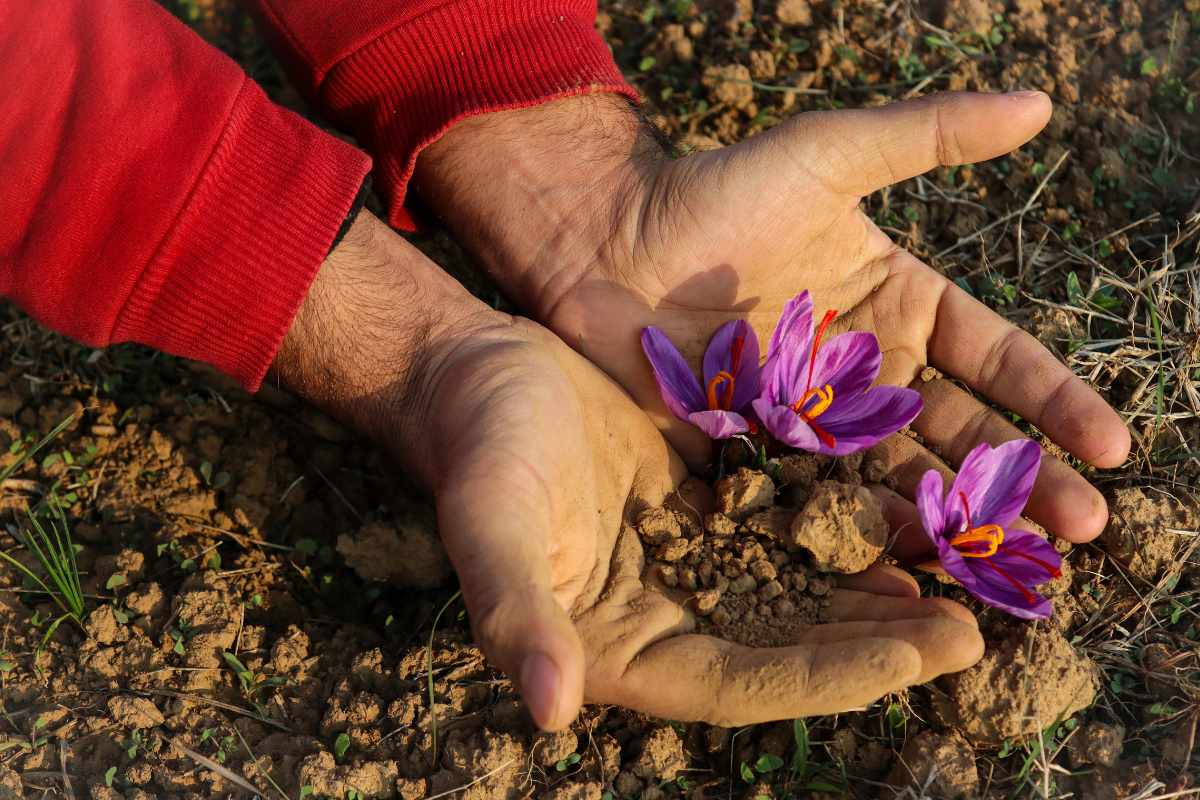
Harvesting saffron is delicate but rewarding:
Pick the stigmas: Once the flowers bloom, carefully pluck the red stigmas using tweezers or by hand.
Drying: Spread the threads on a paper towel in a dry, dark place for a few days until crisp.
Storage: Keep dried saffron in an airtight container away from light and moisture to preserve its flavor and color.
With a little patience, you can enjoy homegrown saffron in teas, desserts, risottos, and countless recipes that benefit from its unique aroma and color.
Final Thoughts: Why Homegrown Saffron Is Worth It
Growing your own saffron is a satisfying and educational experience.
From the moment the first Crocus sativus flowers bloom to harvesting the precious red threads, you’ll discover the joy of cultivating one of the world’s most luxurious spices.
Whether you’re a seasoned gardener or just starting out, saffron offers a rewarding challenge—and delicious results!
Enjoy This Video Tutorial

Source: Fruition Seeds
Don’t forget to Subscribe to our Newsletter to receive amazing tips and tricks about Gardening and the FREE Ebook Green Living Strategies!
Did you find this post Useful or Inspiring? Save THIS PIN to your GARDENING Board on Pinterest! 😊

Once again, thank you for visiting our website!
We hope you've enjoyed exploring the content we've created for you.
Give yourself the chance to learn, get inspired, and have even more fun, keep browsing...
More Gardening Tips 👇🏼👇🏼