
Grow Your Own Bay Laurel Easily


The Bay Laurel (Laurus nobilis) is a classic Mediterranean herb that brings fragrance, flavor, and elegance to any home garden.
Known for its aromatic leaves often used in cooking, this evergreen shrub is surprisingly easy to grow — even if you’re short on space.
With the right care and patience, you can enjoy a steady supply of fresh bay leaves right from your balcony or backyard.
Choosing the Right Container and Soil
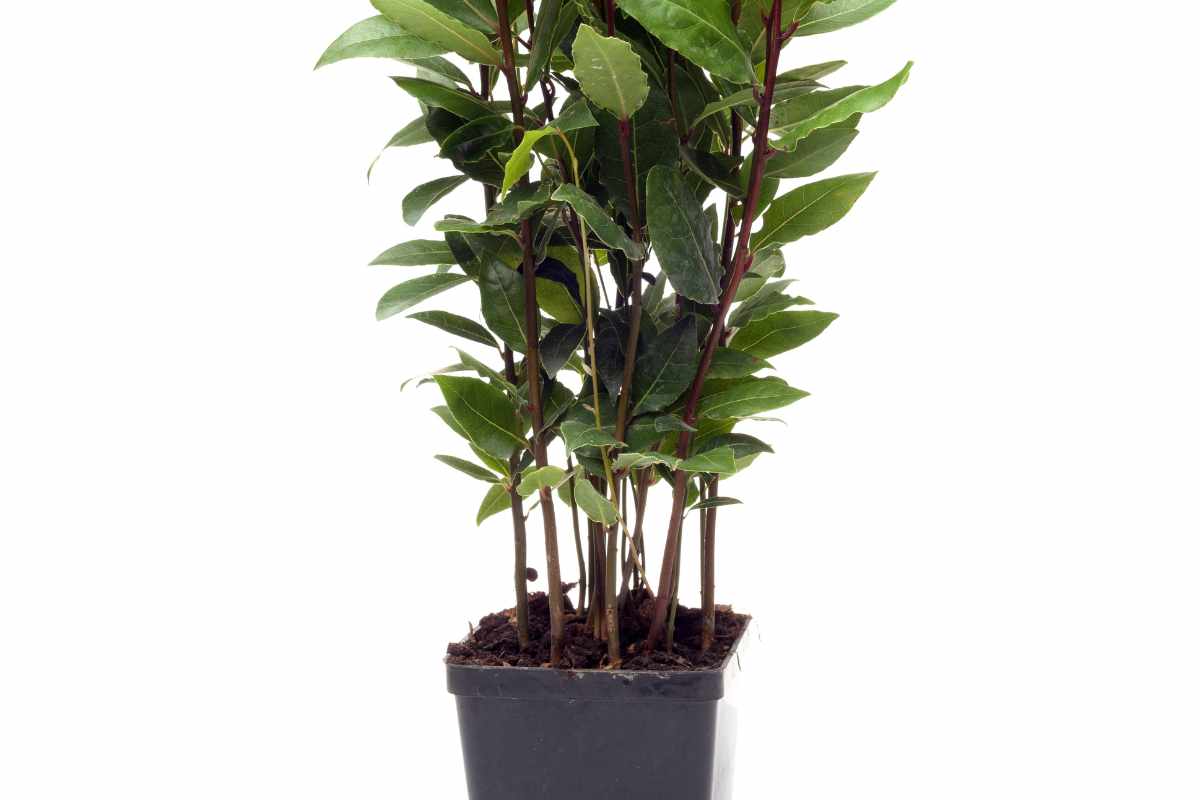
Bay Laurel grows best in well-draining soil and a container large enough to allow its roots to expand.
Choose a pot at least 12 to 16 inches deep, ideally made of terracotta or another breathable material.
Use a loamy, well-draining mix — you can blend potting soil with sand or perlite for better drainage.
Bay Laurel dislikes soggy conditions, so ensure your pot has adequate drainage holes.
Ideal Light and Temperature
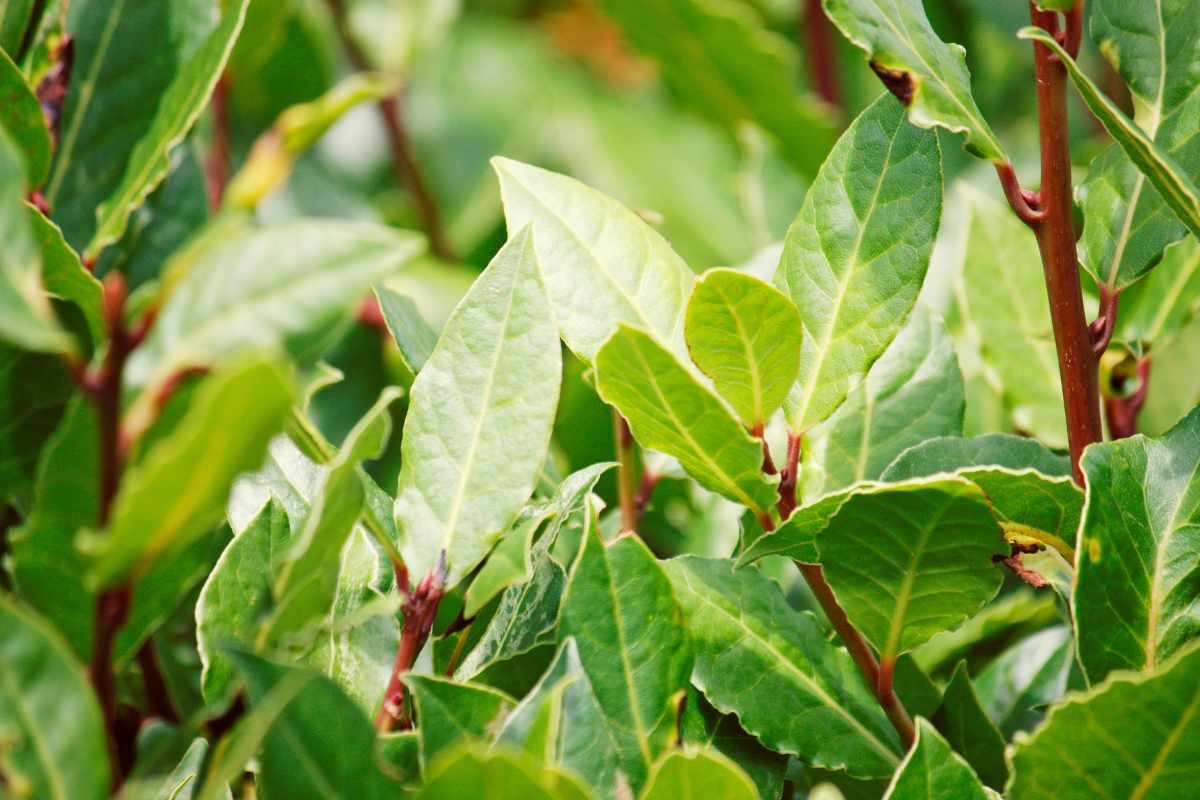
Bay Laurel thrives in full sun, needing at least 6 hours of direct light per day.
If you live in a cooler climate, it’s best to keep the plant outdoors during summer and move it inside before frost arrives.
Indoors, place it near a sunny window or under grow lights.
The plant prefers temperatures between 60–75°F (15–24°C) and can tolerate mild cold, but not prolonged freezes.
Watering and Fertilizing Tips
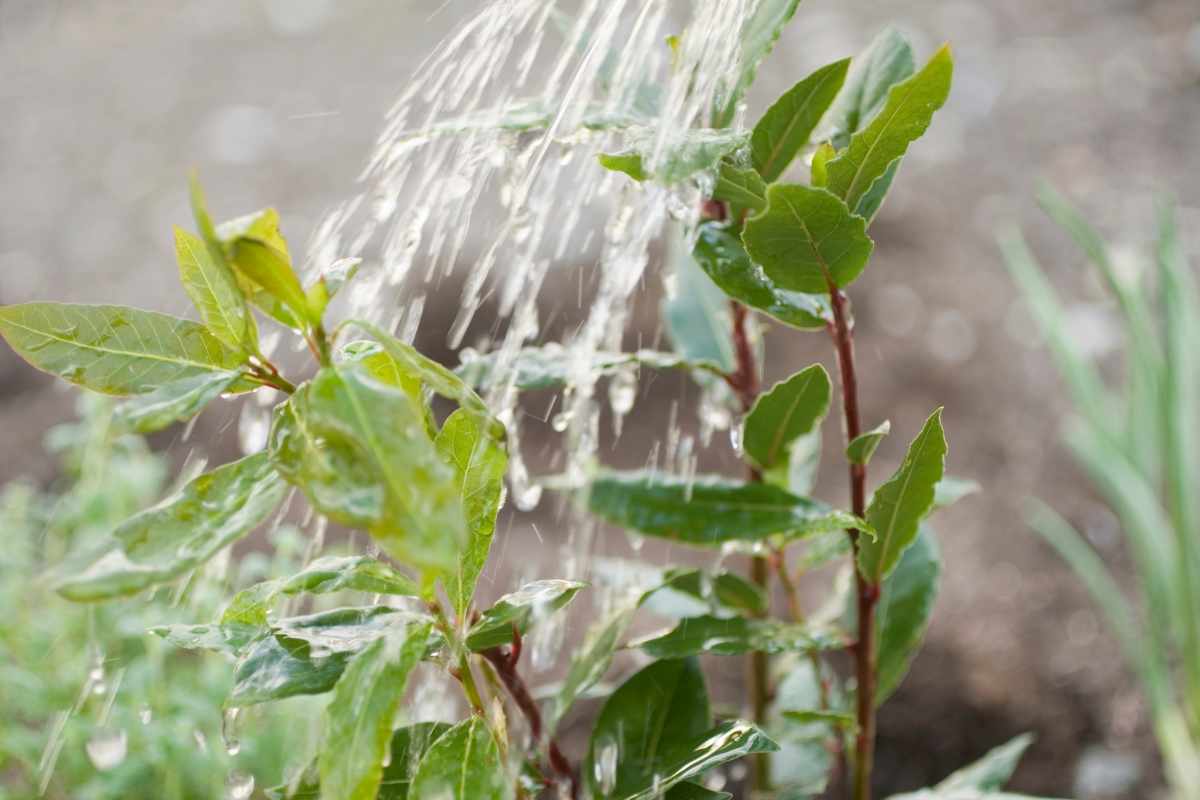
When it comes to watering, less is more. Bay Laurel doesn’t like constantly moist soil — allow the top layer to dry out between waterings.
Overwatering can lead to root rot and poor leaf growth.
Feed your plant with a balanced liquid fertilizer every 4–6 weeks during the growing season (spring and summer).
Stop feeding during fall and winter, when growth naturally slows down.
Pruning and Shaping Your Bay Laurel
Bay Laurel is slow-growing, which makes it ideal for container gardening or topiary shaping.
Prune in early spring to remove any dead or yellowing leaves, and trim back new shoots to maintain the shape you want.
Regular pruning also helps encourage denser foliage and keeps the plant healthy.
Common Problems and How to Avoid Them
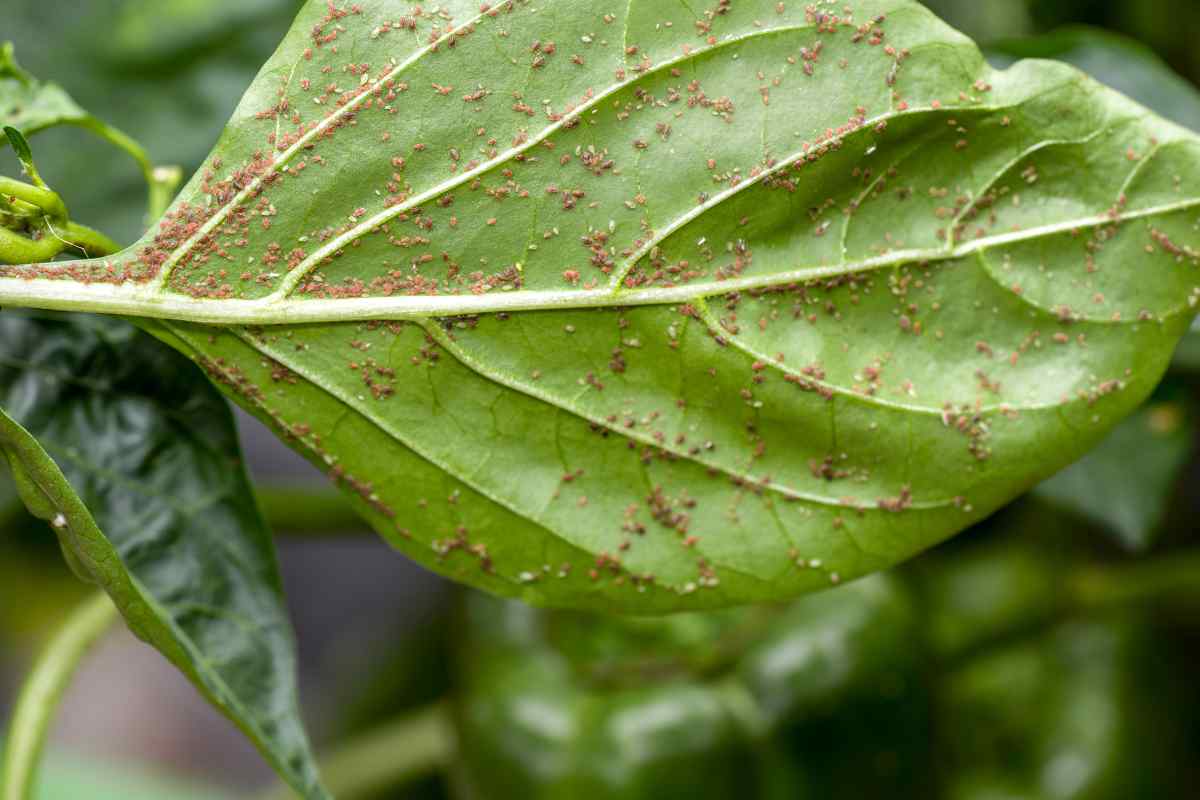
While generally hardy, Bay Laurel can sometimes suffer from aphids, scale insects, or leaf spots. You can manage pests by spraying the leaves with neem oil or insecticidal soap.
If the leaves turn yellow, it may indicate overwatering or poor drainage.
Check your soil moisture and adjust accordingly. Avoid placing the plant in overly humid or poorly ventilated areas.
Harvesting Bay Leaves
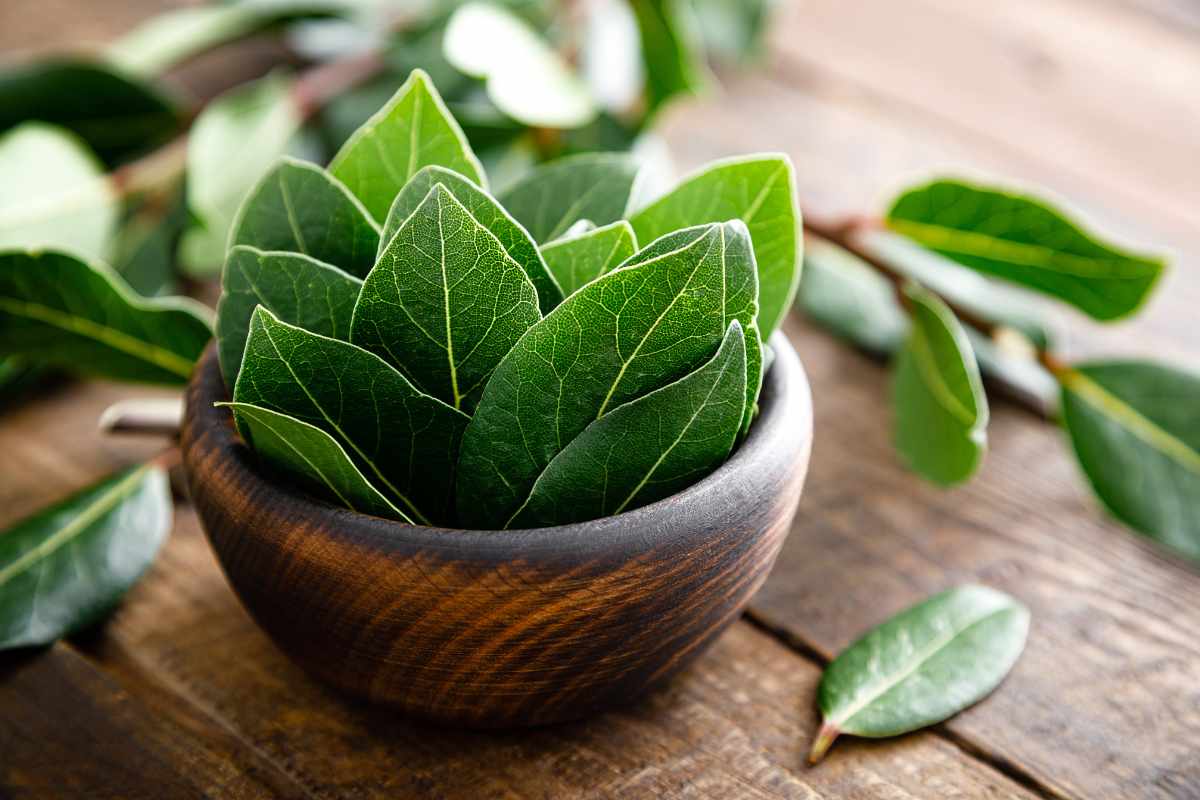
Harvesting is simple — pick mature leaves from established branches when they’re deep green and firm.
Fresh leaves have a milder aroma, while dried leaves develop a stronger, richer scent.
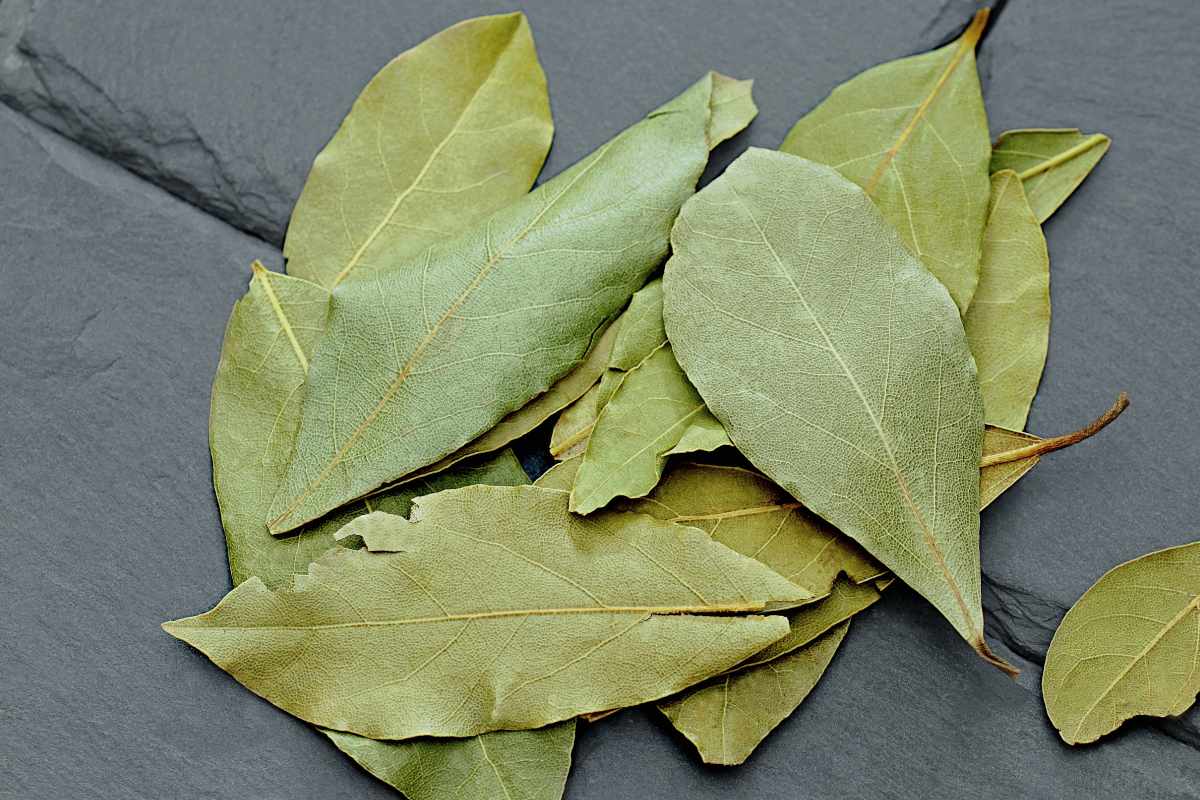
To dry them, spread the leaves in a single layer in a cool, shaded spot for a week, then store them in an airtight jar.
Why You’ll Love Growing Bay Laurel
Growing Bay Laurel at home not only gives you access to fresh culinary herbs but also adds an elegant, evergreen touch to your space.
Its glossy leaves, resilience, and classic aroma make it one of the most rewarding herbs for any gardener, beginner or experienced alike.
Enjoy This Video Tutorial

Source: MIgardener
Don’t forget to Subscribe to our Newsletter to receive amazing tips and tricks about Gardening and the FREE Ebook Green Living Strategies!
Did you find this post Useful or Inspiring? Save THIS PIN to your GARDENING Board on Pinterest! 😊

Once again, thank you for visiting our website!
We hope you've enjoyed exploring the content we've created for you.
Give yourself the chance to learn, get inspired, and have even more fun, keep browsing...
More Gardening Tips 👇🏼👇🏼