
Planting Herbs in Mason Jars


Indoor gardening has gained popularity as a way to grow fresh, flavorful herbs in small spaces.
One of the easiest and most charming methods for growing herbs indoors is by using mason jars.
These versatile containers not only provide a stylish look but also allow you to create your very own herb garden in the comfort of your home.
In this guide, we will walk you through how to plant herbs in mason jars, offering tips and insights to ensure your herbs thrive.
Choosing the Right Herbs for Mason Jars
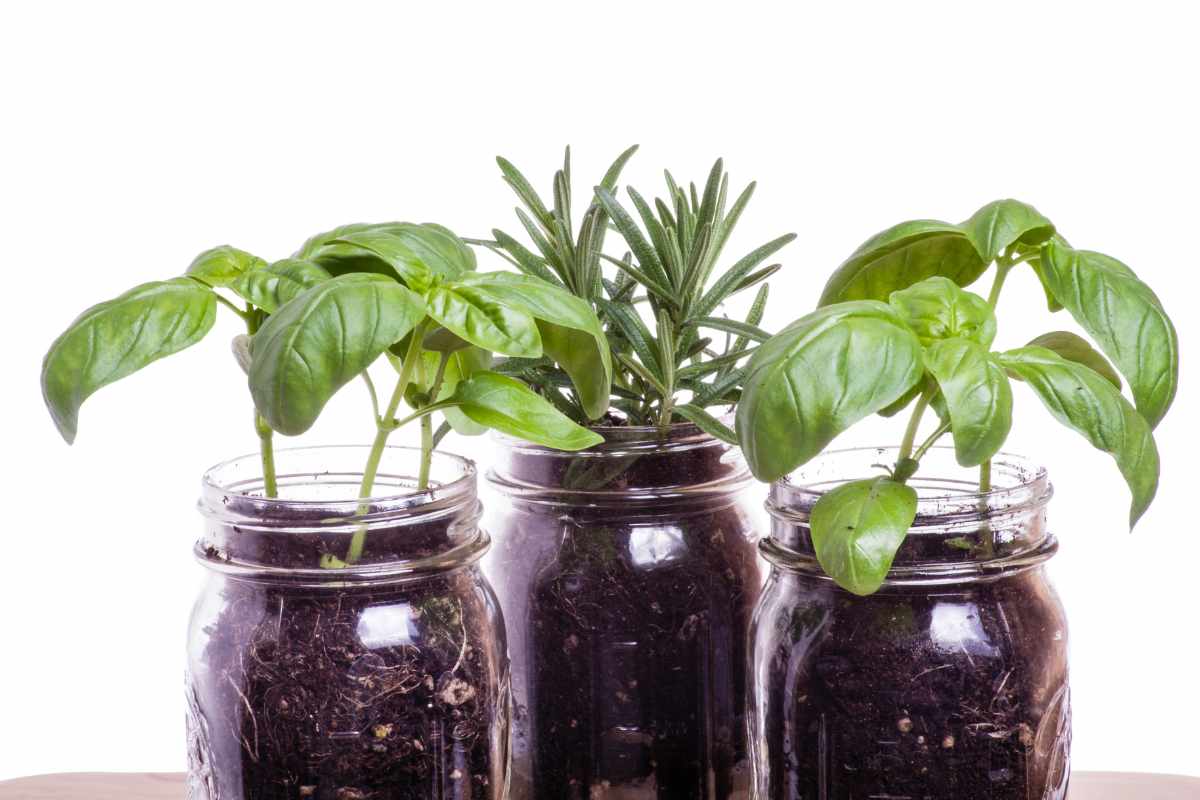
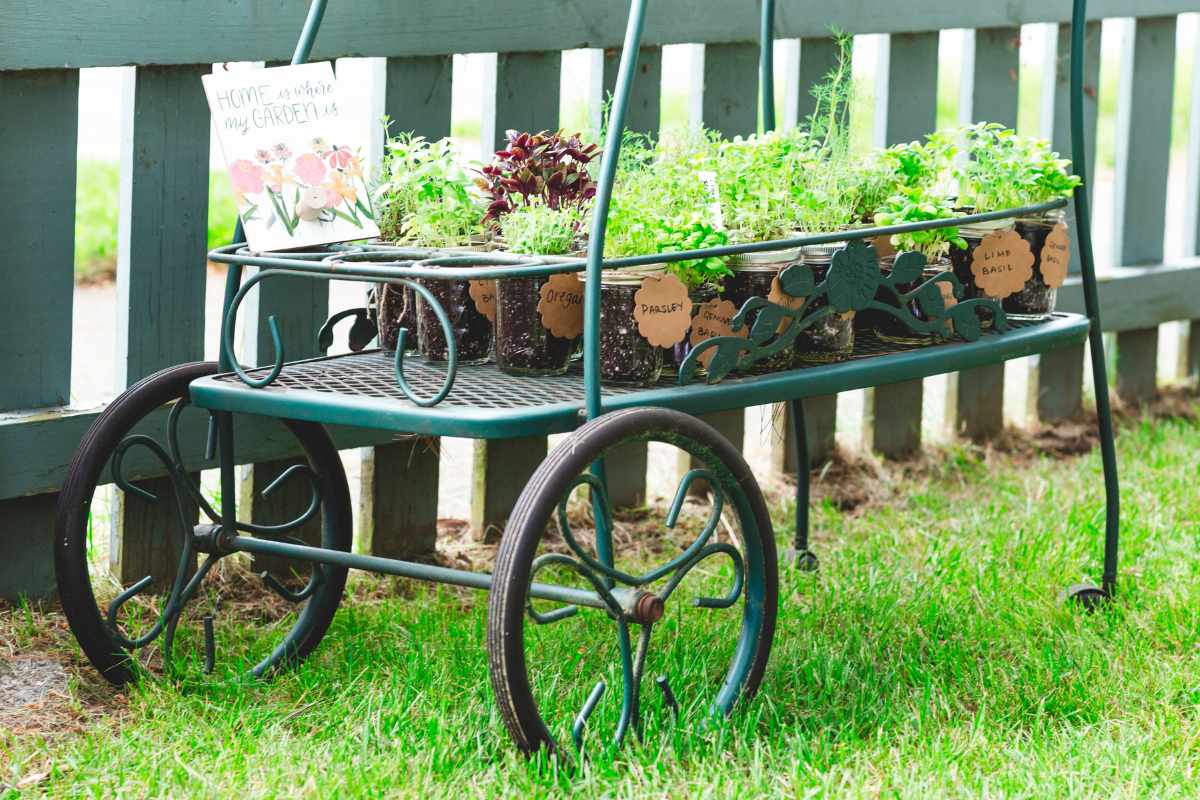
When it comes to growing herbs in mason jars, it’s important to select the right ones. Herbs like basil, mint, rosemary, thyme, oregano, and parsley are ideal for small, contained spaces.
These plants have shallow root systems and don't require too much space to grow, making them perfect candidates for mason jars.
It's also a good idea to think about your cooking preferences and the herbs you use most often in the kitchen.
Before you begin, make sure the herbs you choose can thrive in your home's light conditions. For example, basil and rosemary need plenty of sunlight, so placing your jars near a sunny window is essential.
On the other hand, mint and parsley can tolerate less direct sunlight, making them more adaptable to various lighting situations.
Selecting Your Mason Jars
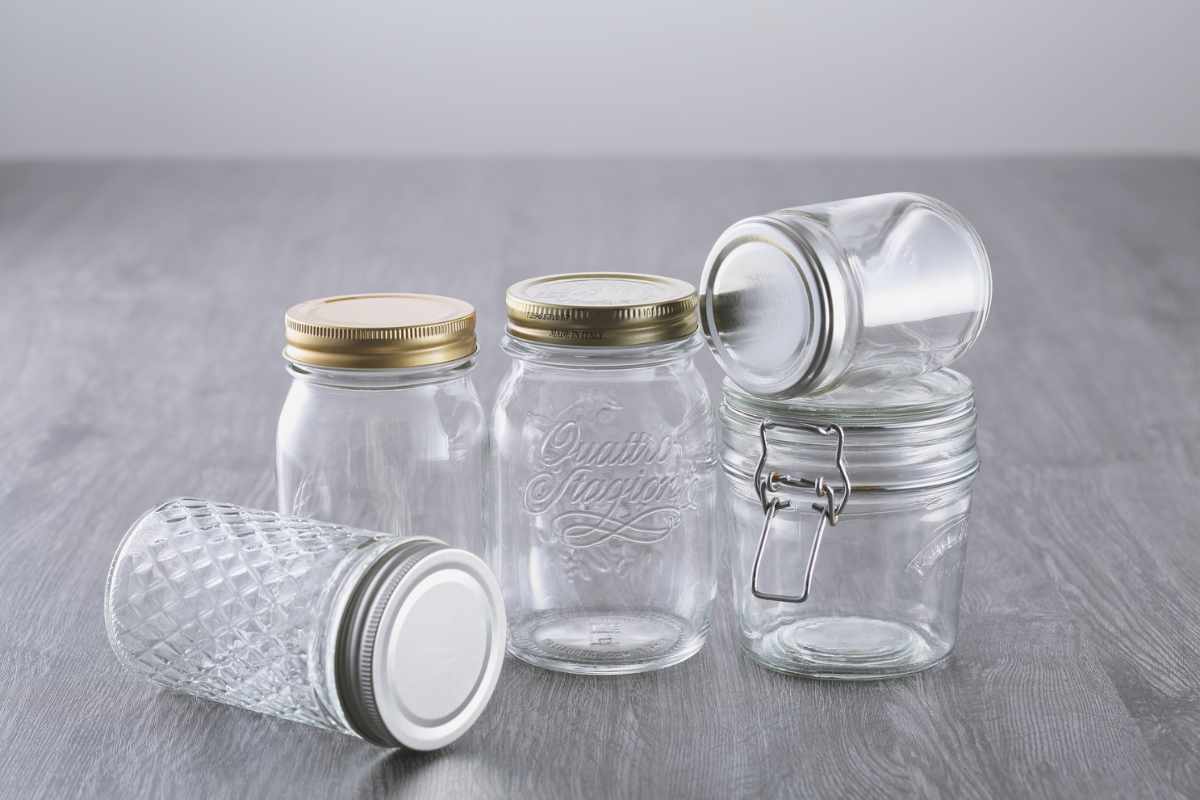
Mason jars come in various sizes, but for most herbs, a pint or quart-sized jar should be sufficient.
Keep in mind that larger herbs, like rosemary, might require a bigger container to accommodate their growth.
It's crucial to ensure your mason jar has a wide enough opening to allow for good air circulation and easy access to the plants.
If you’re planning on placing your mason jars on a windowsill, consider using a decorative jar that complements your home décor.
There are also mason jars with lids that feature a perforated top, allowing for easy watering and drainage, but these aren’t necessary for every setup.
Preparing the Jars
The first step in planting herbs in mason jars is to prepare the containers.
Mason jars don’t have built-in drainage holes, which means you’ll need to add a drainage layer to prevent water from accumulating at the bottom and causing root rot.
Add rocks or pebbles: Start by adding a few small rocks or pebbles to the bottom of the jar. This layer will allow excess water to drain away from the roots, helping to prevent waterlogging.
Use high-quality potting soil: Next, fill the jar with a good-quality potting mix. Make sure the soil is light and well-draining. Avoid using regular garden soil, as it tends to be too heavy and may compact in the small space of the mason jar. A mix designed for indoor plants or herbs will work best.
Leave space for growth: Don’t fill the jar all the way to the top. Leave about an inch of space at the top of the jar to prevent the soil from spilling over when watering.
Planting the Herbs
Once the jars are prepared, it's time to plant your herbs. Here’s a step-by-step guide to help you plant each herb properly:
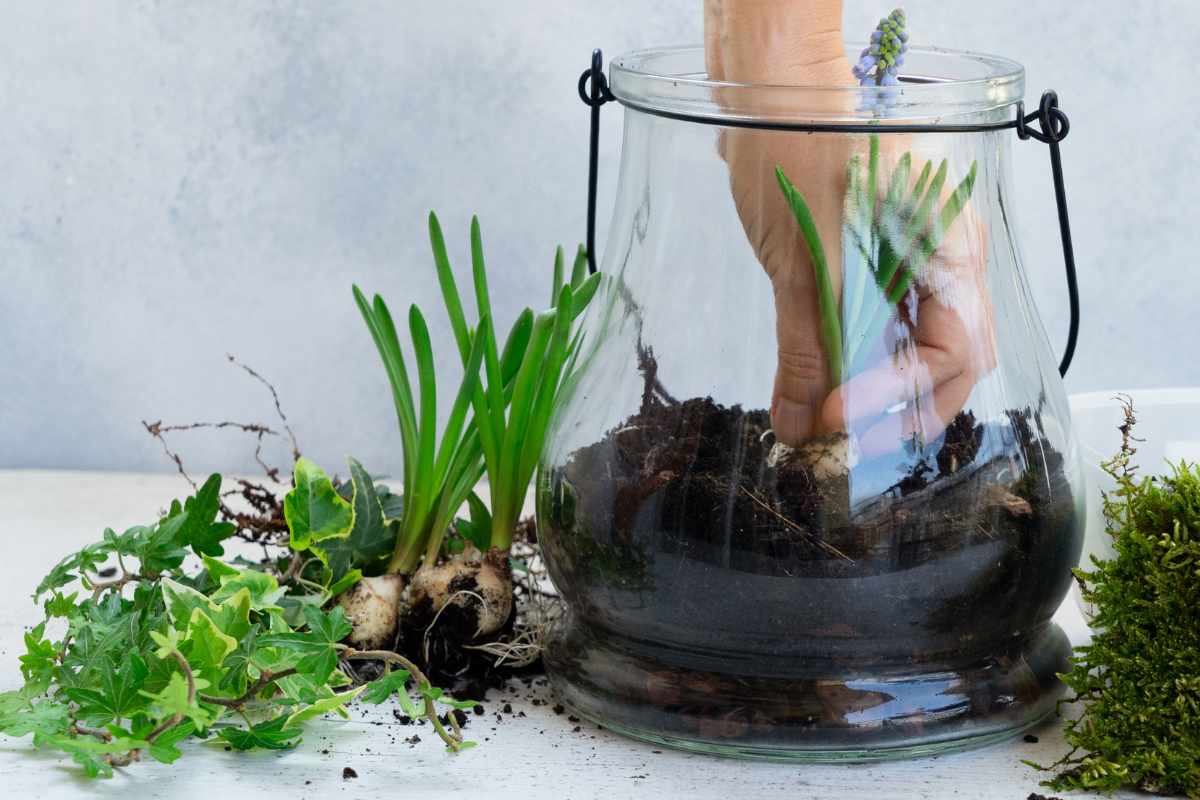
Loosen the roots: If you are using herb seedlings from a nursery or garden center, gently loosen the roots from the pot they came in. If you’re planting seeds, skip this step and proceed with planting them directly in the soil.
Create a small hole: Using your fingers or a small stick, create a small hole in the soil that’s deep enough to accommodate the root ball of the herb. Be careful not to disturb the roots too much.
Place the herb into the jar: Gently place the plant or seedling into the hole, ensuring that the roots are fully covered with soil. For seeds, sprinkle them lightly on top of the soil and gently press them down.
Water lightly: After planting, water the herbs lightly, ensuring the soil is moist but not soaking wet. Keep in mind that mason jars don’t have drainage holes, so avoid overwatering.
Placing the Mason Jars
Once your herbs are planted, it’s important to place the mason jars in the right spot to ensure healthy growth.
Light conditions: Most herbs require plenty of light to grow well. Place your mason jars on a sunny windowsill or near a south-facing window. If your home doesn’t receive a lot of natural light, consider using a grow light to supplement the sun’s rays.
Temperature: Most herbs prefer temperatures between 65-75°F (18-24°C). Avoid placing them near drafts or heating vents, as sudden temperature changes can stress the plants.
Humidity: Indoor plants often require a bit more humidity than the average home provides, especially in winter when indoor air can become dry. You can increase humidity by placing a small humidifier nearby or by grouping several jars to create a microclimate.
Caring for Your Herb Garden
Caring for herbs in mason jars is relatively easy, but there are a few things to keep in mind to ensure your plants stay healthy and productive.
Watering: Since mason jars don’t have drainage holes, it’s important to water your herbs carefully. Always check the soil before watering. If the top feels dry, it’s time to water. Be sure not to overwater, as this can lead to root rot. If you notice any water collecting at the bottom of the jar, carefully pour it out.
Pruning and harvesting: Regular pruning is important to keep your herbs healthy and encourage new growth. Trim off any dead or yellowing leaves and snip the stems just above the nodes (the places where the leaves grow). Harvesting herbs regularly will also help promote fresh growth.
Fertilizing: Although herbs can thrive in mason jars without much added fertilizer, it’s a good idea to feed them every 4-6 weeks during the growing season with a diluted, water-soluble fertilizer. Be cautious not to overfertilize, as this can lead to leggy or weak plants.
Pests: Keep an eye out for pests, such as aphids or spider mites, which can occasionally affect indoor plants. If you notice any signs of pests, remove them by gently wiping the leaves with a damp cloth or using insecticidal soap.
Enjoying Your Fresh Herbs
One of the greatest joys of growing herbs in mason jars is the ability to harvest fresh herbs whenever you need them.
You can snip a few leaves for cooking, or use them in teas and homemade beauty products.
With proper care, your mason jar herb garden can provide you with fresh, flavorful herbs for months to come.
Enjoy the Video Tutorial

Source: HGTV Handmade
Did you find this post useful or inspiring? Save THIS PIN to your Gardening Board on Pinterest!😊

Once again, thank you for visiting our website!
We hope you've enjoyed exploring the content we've created for you.
Give yourself the chance to learn, get inspired, and have even more fun, keep browsing...
More Gardening Tips 👇🏼👇🏼