
Saving Basil - Nurse Your Wilted Plant Back to Life

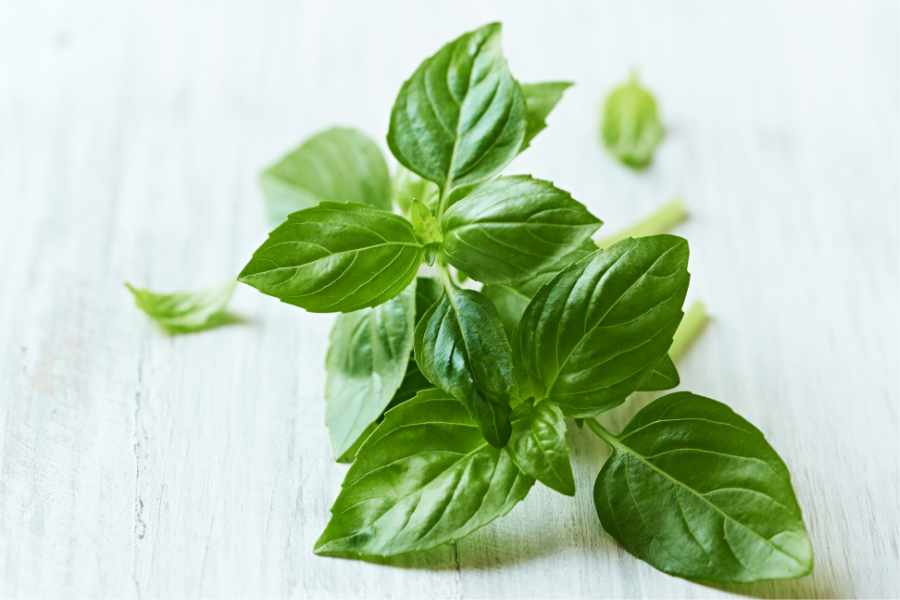
Basil, with its aromatic leaves and delightful flavor, is a favorite herb for many gardeners and cooking enthusiasts.
However, even with proper care, basil plants can sometimes struggle and start to wilt. If you find yourself in this situation, fear not!
In this article, we will share practical and friendly advice on how to save a basil plant from its withering state.
Discover simple yet effective techniques that will help revive your basil and bring it back to its vibrant, flourishing self.
So, let's roll up our sleeves and rescue your basil with these green-thumb tips.
Understanding the Signs of Distress
Basil plants, like any living organism, can communicate their distress through visual cues.
By recognizing these signs, you can intervene and save your basil from further decline.
Here are some common indicators that your basil plant may be in distress:
Yellowing Leaves: When the leaves of your basil plant turn yellow, it's a sign that something isn't right. This can be caused by overwatering, nutrient deficiencies, pests, or diseases. Pay attention to the pattern of yellowing and take appropriate measures to address the underlying issue.
Wilting or Drooping Stems: Basil plants typically have upright and sturdy stems. If you notice your basil stems wilting or drooping, it indicates insufficient water supply or root problems. Improper watering, root rot, or compacted soil can contribute to this condition.
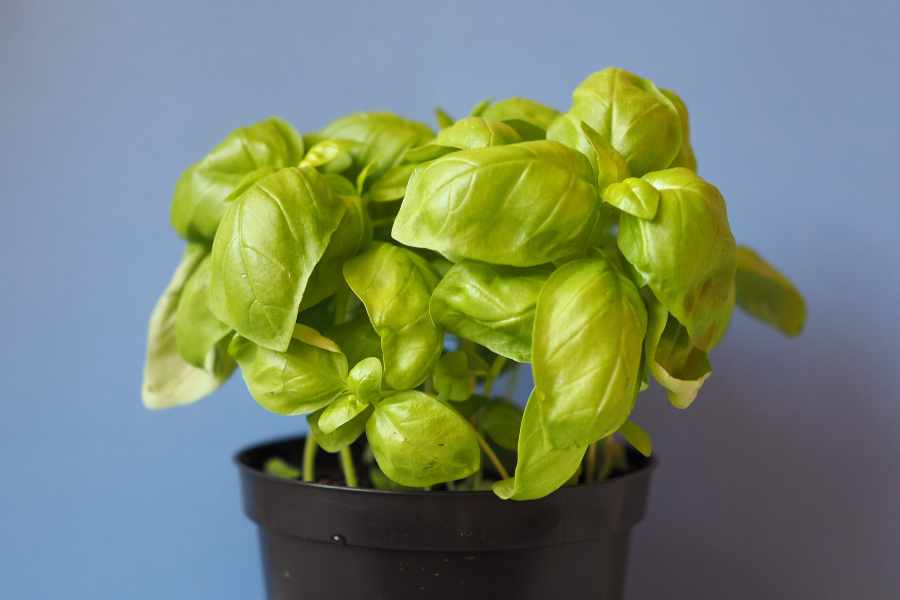
Stunted Growth: Basil plants are known for their fast growth, but if you observe stunted or slowed growth, it's a sign that your plant is struggling. Poor light conditions, inadequate nutrients, or root-bound pots can hinder growth and development.
Spots or Discoloration: Dark spots, discoloration, or unusual patterns on the leaves can indicate fungal or bacterial diseases. It's important to promptly identify and treat these issues to prevent further damage.
Pests Infestation: Pest infestation can weaken and damage basil plants. Look for signs of aphids, spider mites, whiteflies, or other common pests. Small holes in the leaves, webbing, or sticky residue on the foliage may suggest the presence of pests.
When you notice any of these signs, it's crucial to investigate the underlying cause and take appropriate action.
Assessing Watering and Drainage
Proper watering and drainage are vital for thriving basil plants. Follow these key tips:
- Goldilocks Rule: Keep the soil moist, not waterlogged. Let the top inch of soil dry out between waterings.
- Watering Technique: Use a gentle spray or watering can, directing water to the base of the plant for effective root hydration.
- Observing Drainage: Ensure your pot has drainage holes to prevent water accumulation. Repot if needed.
- Soil Mix: Choose a well-draining potting mix formulated for herbs or vegetables.
- Frequency: Check soil moisture regularly and water when the top inch feels dry, adjusting as needed.
By assessing watering and drainage, you'll provide the ideal conditions for healthy, thriving basil plants.
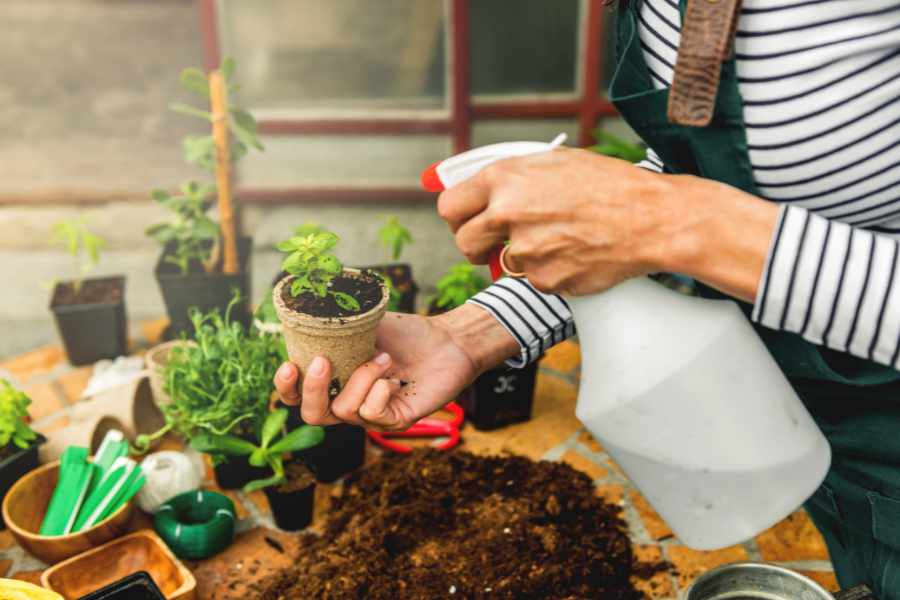
Nurturing the Root System
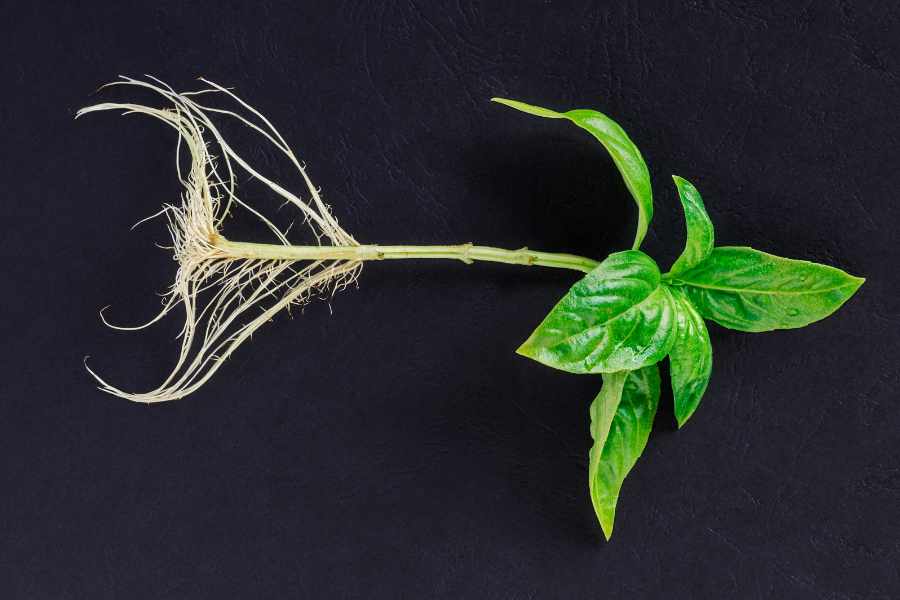
Nurturing the root system involves providing care to promote healthy root growth in plants.
It includes practices such as choosing the right container, using quality soil, planting at the correct depth, providing water and nutrients, ensuring proper aeration, and monitoring for any issues.
Healthy roots support overall plant health and growth.
Promote healthy roots with these tips:
- Container Choice: Use a well-sized pot with drainage holes.
- Quality Soil: Opt for well-draining potting mix for herbs.
- Planting Depth: Position basil at the same depth during transplanting.
- Watering: Ensure thorough watering and allow slight drying between waterings.
- Wise Fertilizing: Apply balanced fertilizer as instructed, avoiding overuse.
- Aeration: Loosen soil gently for proper airflow and root oxygenation.
- Regular Inspections: Monitor roots, and remove any damage promptly.
With proper root care, your basil plants will thrive, producing abundant foliage and aromatic leaves.
Providing Adequate Light and Temperature
Reviving basil plants requires providing adequate light and maintaining suitable temperatures.
Place basil plants in bright, indirect sunlight for 6-8 hours daily. Consider using grow lights if natural light is limited.
Keep temperatures between 60-75°F (15-24°C) and avoid extreme heat or cold drafts.
Maintain stable conditions and avoid sudden temperature changes.
By ensuring proper light and temperature, you can revive your basil plants and enjoy their fresh flavors once more.
Pruning and Harvesting for Renewal
Pruning and harvesting are essential for renewing basil plants.
Pruning encourages bushier growth while removing flower buds redirects energy to leaf production.
Regular harvesting stimulates new growth and ensures a continuous supply of fresh leaves.
For overgrown plants, a more drastic pruning approach rejuvenates and promotes fresh growth.
These practices result in healthier, compact basil plants ready to enhance your culinary creations.
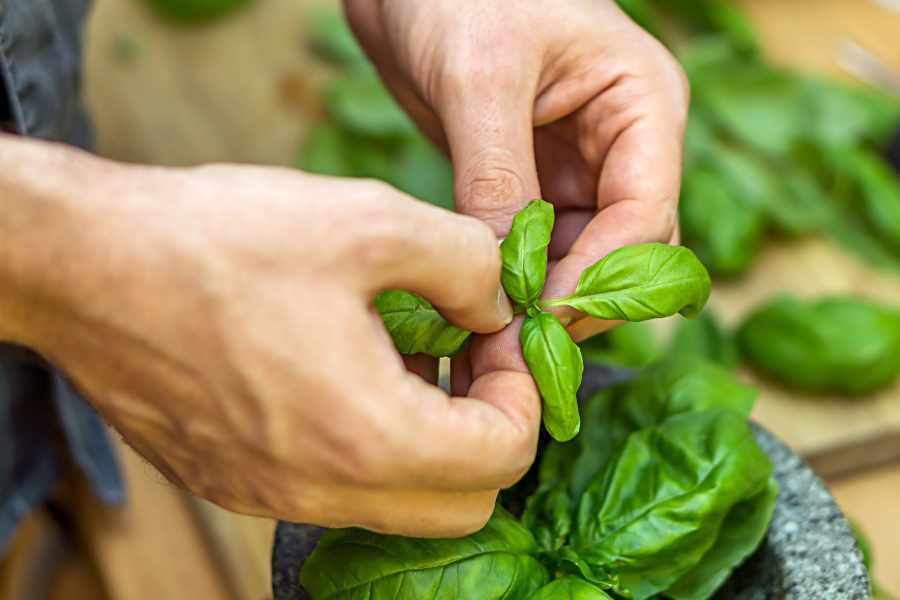
Saving a wilted basil plant is a rewarding journey requiring little care, attention, and understanding.
With the guidance in this article, you'll be equipped with the knowledge and skills to rescue your basil and enjoy the aromatic, flavorful leaves again. Happy gardening and happy cooking!
We hope you enjoy this video about How To Save A Basil Plant
Source: Gardeningat58N
Did you find this post Useful or Inspiring? Save THIS PIN to your GARDENING Board on Pinterest! 

Once again, thank you for visiting our website!
We hope you've enjoyed exploring the content we've created for you.
Give yourself the chance to learn, get inspired, and have even more fun, keep browsing...
More Gardening Tips 👇🏼👇🏼