
10 Best Vegetables That Grow in Containers


Best Vegetables To Grow In Containers is your blueprint for turning balconies, patios, and small yards into productive micro-farms.
If you want to grow vegetables with less guesswork, containers give you perfect control over soil, light, and moisture—ideal for choosing the right vegetables to grow in containers and harvesting reliably in tight spaces.
Why Container Veggies Work (Fast Wins For Small Spaces)
Containers warm quickly in spring, drain efficiently, and let you move plants to chase the sun. That portability translates into fewer setbacks and more success with classic vegetables to grow even if your square footage is limited.
You also gain design flexibility. Grouping pots by water needs and crop type opens up endless Container Vegetable Garden Ideas—from tidy herb rails to stacked planters brimming with greens and compact fruiting varieties.
10 Best Vegetables To Grow In Containers (Care & Pot Size)
Below are ten rock-solid choices tailored for pots, with light, water, and container tips you can apply today. These picks are practical, productive, and beginner friendly—true all-stars among the Best Vegetables To Grow In Containers.
Match each crop to the right container volume, provide 6–8 hours of sun when possible, and feed on a steady schedule. You’ll be surprised how quickly you can grow vegetables for the table.
Tomatoes (Solanum lycopersicum)

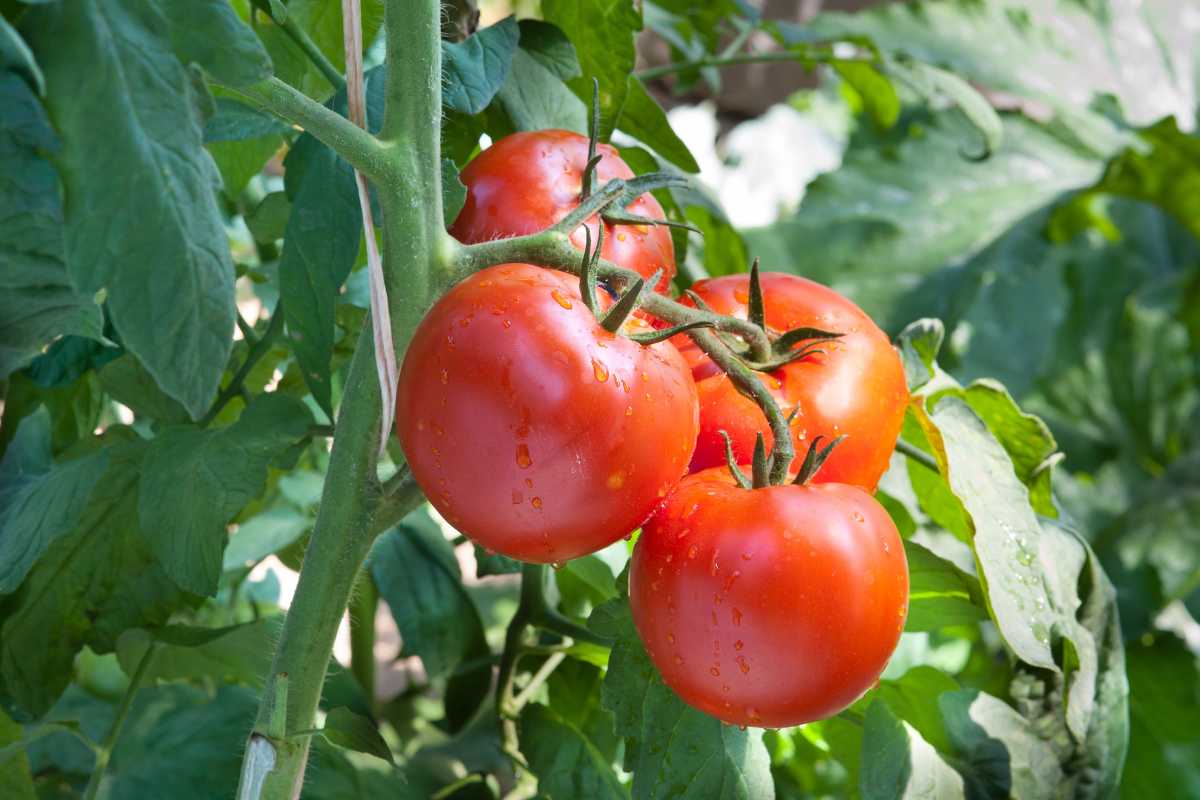
Choose determinate or dwarf cherry types for compact growth. Use a 5–10 gallon (19–38 L) pot with a sturdy cage at planting, give full sun, and water deeply to keep moisture even; irregular watering leads to splitting and blossom-end rot.
Feed every 10–14 days once flowering starts. Prune lightly for airflow and remove lower leaves that touch the soil. Expect steady clusters that taste better than store-bought.
Peas (Pisum sativum)

Cool-season climbers that adore containers in spring and fall. A deep window box or 3–5 gallon pot with a short trellis works well. Provide 4–6 hours of sun and keep roots cool with mulch.
Harvest pods frequently to boost production. Snow and snap types are sweet, crisp, and perfect for quick stir-fries or raw snacking.
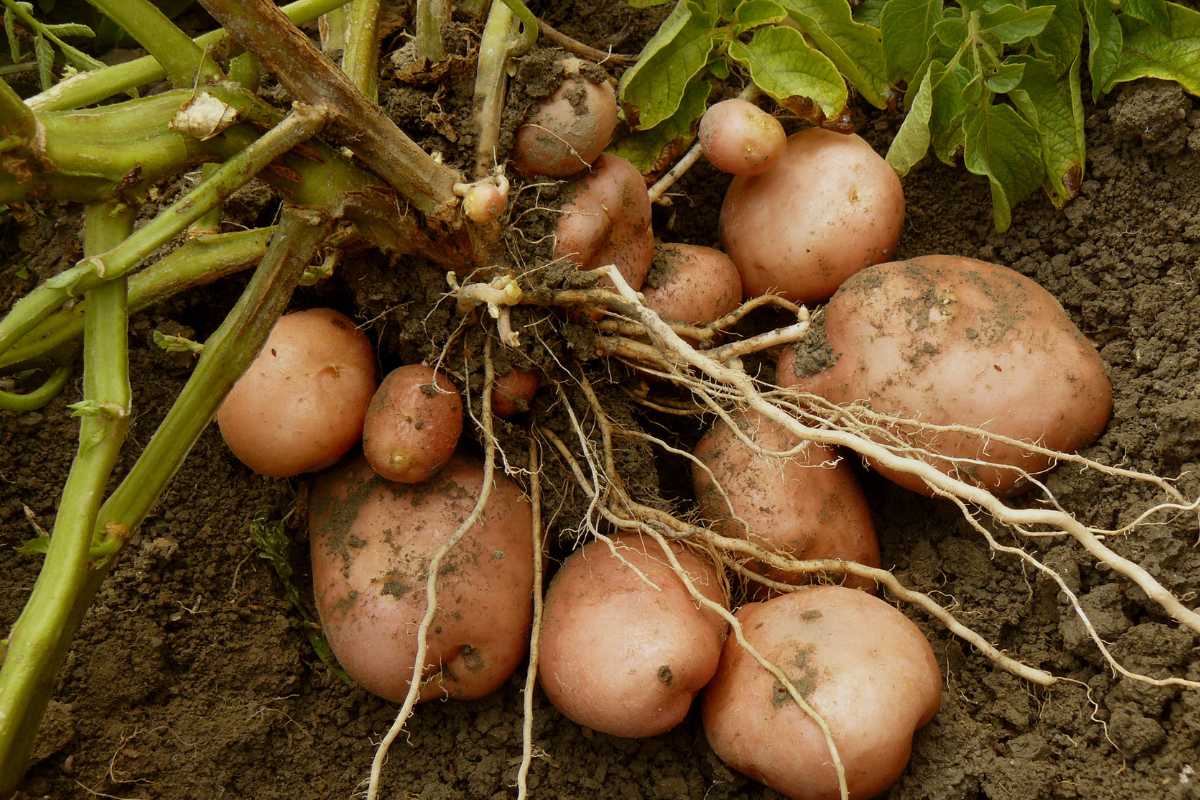
Potatoes (Solanum tuberosum)

“Hilling” is easy in tall fabric bags. Start with 4–7 gallon containers, plant seed potatoes shallowly, then add mix as stems grow to encourage more tubers.
Give 6+ hours of sun and water consistently—never waterlogged. Stop fertilizing after flowering and harvest when foliage yellows for buttery, thin-skinned spuds.
Squash (Curcurbita)

Look for bush zucchini or space-saving summer squash. A 10+ gallon pot prevents stress and supports even moisture, which reduces blossom drop.
Provide full sun and hand-pollinate early flowers if needed. Harvest young for tender texture and steady yield throughout summer.
Lettuce and Salad Greens (Lactuca sativa)

Shallow roots make greens perfect for bowls and rail planters. Aim for morning sun and afternoon shade in hot weather to avoid bitterness and bolting.
Cut outer leaves (“cut-and-come-again”) for continuous harvests. Succession sow every 2–3 weeks to keep salads coming.
Hot and Sweet Peppers (Capsicum annuum)

Peppers thrive in warm, well-drained pots. Use 3–5 gallon containers per plant, provide 6–8 hours of sun, and keep moisture steady to prevent blossom drop.
Stake early, feed lightly but regularly, and avoid over-nitrogen which fuels leaves at the expense of fruit. Compact bells and chilies shine on sunny patios.
Cucumbers (Cucumis sativus)

Bush or patio varieties are tailor-made for pots. A 5–10 gallon container with a small trellis keeps vines organized and improves airflow.
Water deeply and consistently to prevent bitterness. Harvest while fruits are young for crisp crunch and continuous production.
Radish (Raphanus sativus)

Speed demons for new growers—maturity in as little as 25–35 days. Use a 6–8 inch deep window box with fluffy, well-drained mix.
Keep moisture even for tender bulbs and mild flavor. Sow small batches weekly to maintain a steady supply.
Arugula (Eruca vesicaria)

Peppery greens that excel in cool temperatures and partial sun. A shallow, wide planter fits dense sowings for baby-leaf harvests.
Water regularly and pick often to encourage new leaves. Combine with radish and lettuce for fast, flavorful salads from one rail box.
Eggplant (Solanum melongena)

Choose compact or Asian varieties for quicker harvests. A 5–10 gallon pot with dark fabric warms roots and speeds growth in cooler nights.
Stake early, keep soil evenly moist, and feed when buds appear. Harvest glossy fruits before seeds harden for the best texture.
Soil, Water, Feeding: The Success Trio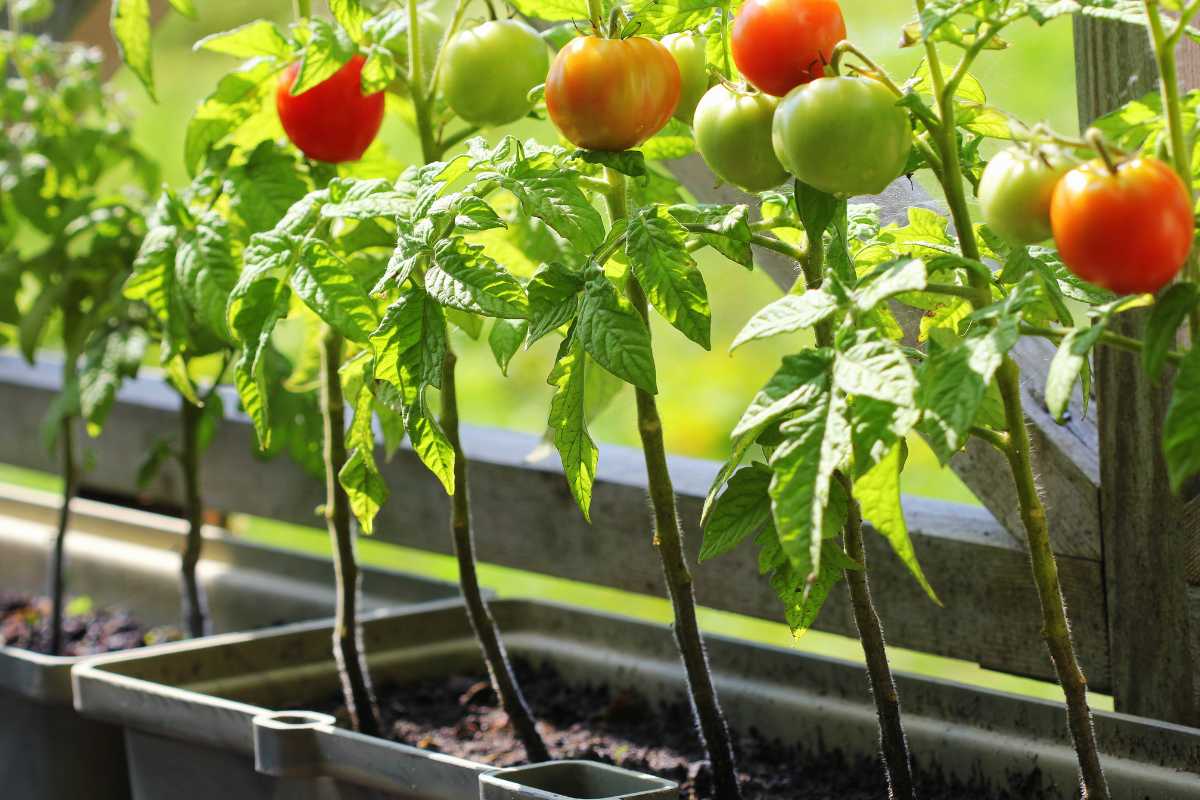
Soil: Always use quality potting mix—never heavy garden soil. Add perlite or fine bark for extra drainage, especially for tomatoes, cucumbers, and peppers.
Water: Containers dry out faster than beds. Water until excess drains, then wait until the top inch is dry. Self-watering planters simplify care for busy weeks.
Feeding: Start with a slow-release fertilizer at planting, then supplement with a balanced liquid feed every 2–3 weeks. Switch to a bloom/fruit formula once flowers appear on fruiting crops.
Design & Layout: Container Vegetable Garden Ideas
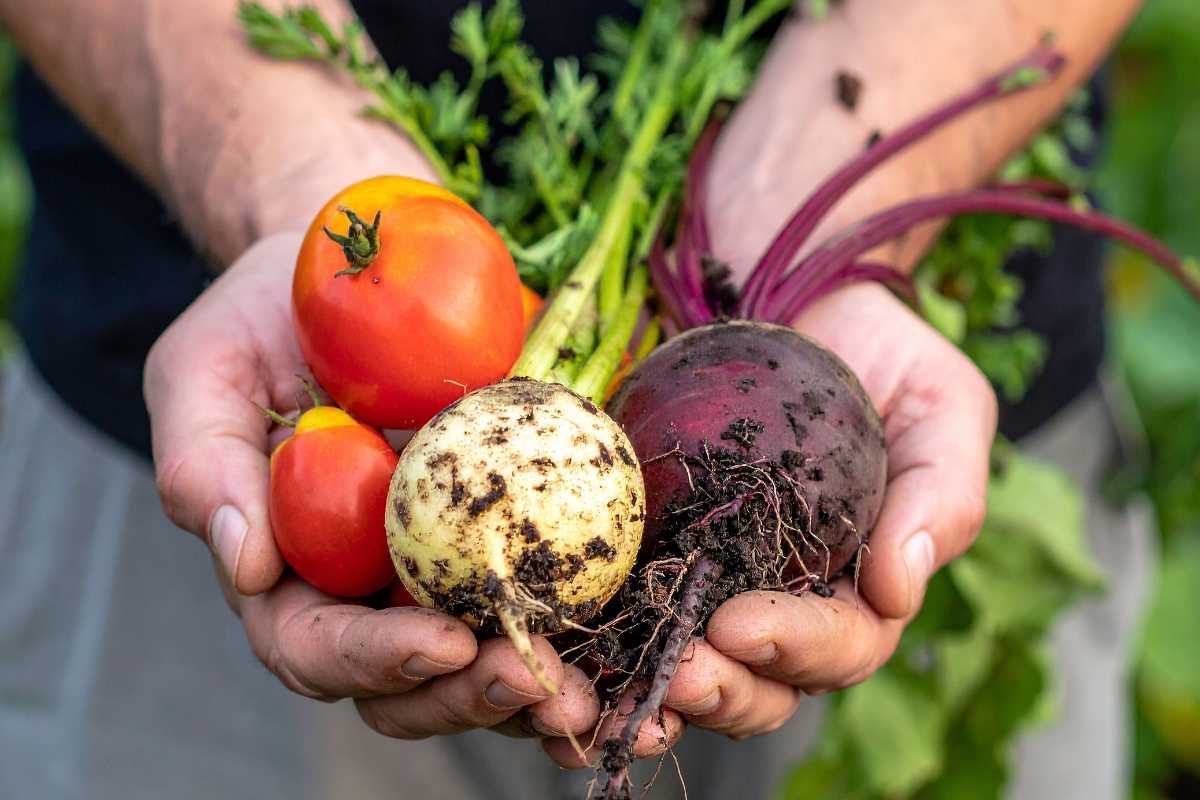
Cluster crops by water needs—greens together, fruiting crops together—for easier irrigation. Grouping also creates attractive focal points and clean lines in small spaces.
Use plant stands and wall brackets to stagger heights, maximizing sun exposure. Matching containers unify the look; a few statement planters add personality without clutter.
Productivity Tips: Growing Vegetables In Containers Ideas
Practice succession planting: after early peas and radishes, switch to bush beans or basil. Rotate crops among pots each season to reduce pests and disease pressure.
Mulch surfaces to slow evaporation and keep roots cool. Keep notes on pot size, sun hours, and harvest dates—you’ll refine your system and grow vegetables more efficiently every round.
Common Mistakes (And Easy Fixes)
Under-potting: Too-small containers dry fast and stunt growth. When in doubt, size up—larger volumes buffer moisture and nutrients for steadier results.
Inconsistent watering: Use the finger test or a moisture meter, and add drip spikes for vacations. Most fruiting crops prefer deep, infrequent watering over frequent sips.
Over-fertilizing nitrogen: Expect leaves, not fruit. Follow label rates and shift to bloom formulas at flowering to encourage pods and tomatoes.
From Patio To Plate
Start with two or three favorites—say cherry tomatoes, lettuce, and peppers—then expand with cucumbers or eggplant. These are the most reliable vegetables to grow in containers for quick, tasty harvests.
Want more inspiration and step-by-step help? Explore our guides for layouts, seasonal checklists, and clever shortcuts to keep your Best Vegetables To Grow In Containers thriving all season.
More Gardening Tips 👇🏼👇🏼