
6 Best Vegetables to Plant in Early Spring


Early spring garden vegetables jump-start your harvest and save precious summer space. If you’re mapping What To Grow In Spring, start with six cool-season champs—asparagus, lettuce, peas, rhubarb, spinach, and beetroot. Below you’ll find timing, spacing, soil prep, and harvest notes, plus smart succession ideas so your vegetables in spring keep coming well into summer.
Why Plant Early? (Soil, Timing, And Payoff)
Cool-season crops prefer brisk nights and mild days, setting roots before heat arrives. That means earlier salads, quicker wins, and freed-up beds for tomatoes and peppers later. It’s the most efficient answer to “Vegetables To Grow In Spring?”—grow what loves the weather you have now.
Before sowing, test soil drainage by digging a trowel-deep hole and filling with water; if it drains within an hour, you’re good. Rake beds smooth, mix in finished compost, and mark rows to simplify consistent spacing for dependable early spring vegetables.
Asparagus (Asparagus officinalis)

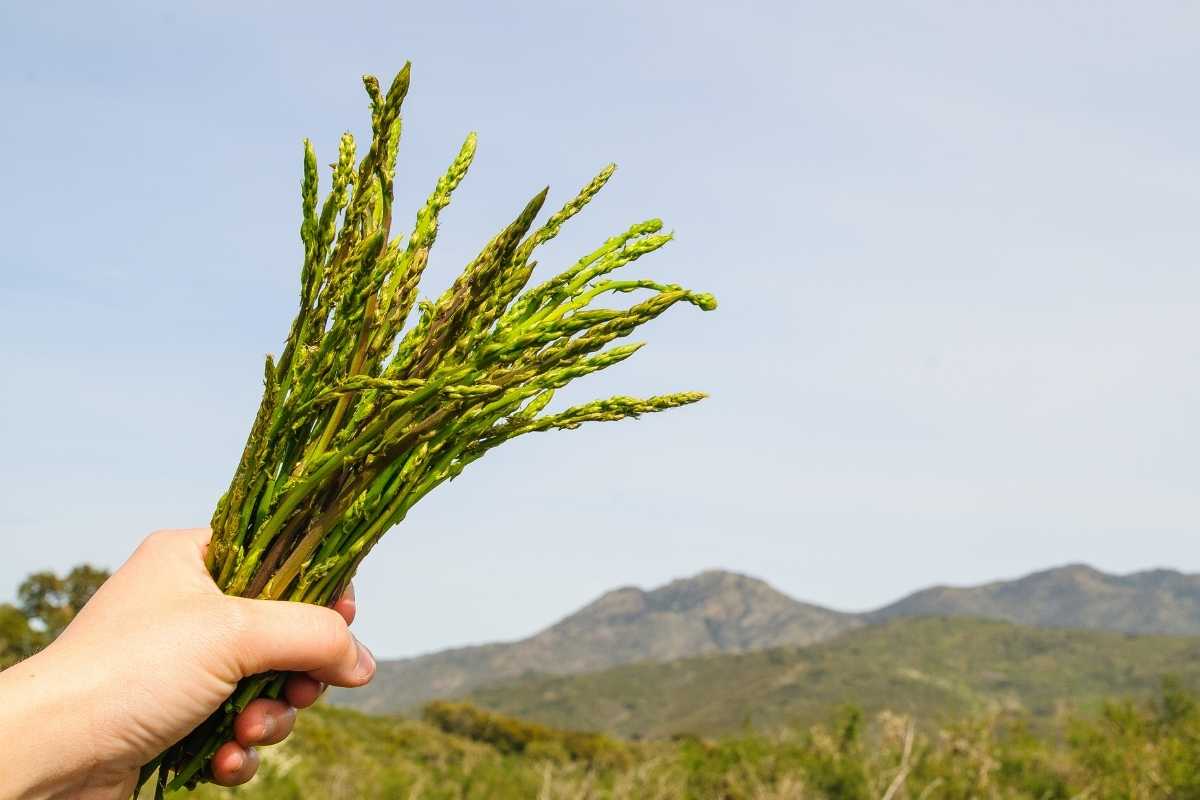
A long-lived perennial that rewards patience. Plant 1- or 2-year crowns in trenches 12–15 in (30–38 cm) wide, 6–8 in (15–20 cm) deep. Spread roots like an octopus and cover with a few inches of soil, backfilling as shoots rise. Keep weeds out and water consistently the first two years.
Resist harvesting until year two (light pick) or three (full pick). Once established, you’ll cut spears for 6–8 weeks every spring—proof that some veggies to plant in spring are true investments.
Lettuce (Lactuca sativa)

For the fastest salads, direct-sow every 10–14 days. In beds or boxes, scatter-sow for baby greens or space heads 8–10 in (20–25 cm) apart. Partial shade helps in bright climates. Keep soil evenly moist to prevent bitterness and tip burn.
Harvest outer leaves first for a cut-and-come-again approach. Mix butterhead, romaine, and frilly types so your early spring vegetables to plant deliver texture and color in one bowl.
Peas (Pisum sativum)

Peas thrive in cool weather and need support. Install a trellis at sowing; plant seeds 1 in (2.5 cm) deep, 2 in (5 cm) apart, in double rows flanking the support. Inoculating seed with rhizobia boosts early vigor and nitrogen capture.
Pick often once pods plump—sweetness fades if they linger. After harvest, cut vines at the base and leave roots to enrich soil, a simple trick in any Corn Plant Care Guide—wait, wrong crop, same idea: nitrogen matters for the next planting.
Rhubarb (Rheum rhabarbarum)

Another sturdy perennial that loves cool springs. Plant crowns so the growing point sits just below soil level. Space 36–48 in (90–120 cm) apart; rhubarb becomes a handsome anchor for the bed edge.
Harvest by pulling—not cutting—stalks once plants are established. Discard leaves (they’re not edible). Rhubarb’s bold stems add tart sparkle to pies and compotes, expanding the flavor range of your vegetables to plant in spring patch.
Spinach (Spinacia oleracea)

Sow as soon as soil can be worked. Spinach loves chill and bolts in heat, so spring is prime time. Space 2–3 in (5–8 cm) for baby leaves or 6 in (15 cm) for full plants. Keep moisture steady and mulch lightly to cool the soil.
Harvest whole rosettes or cut outer leaves frequently. For continuity, reseed every two weeks—classic corn growing tips logic applied to greens: succession beats scarcity.
Beetroot (Beta vulgaris)

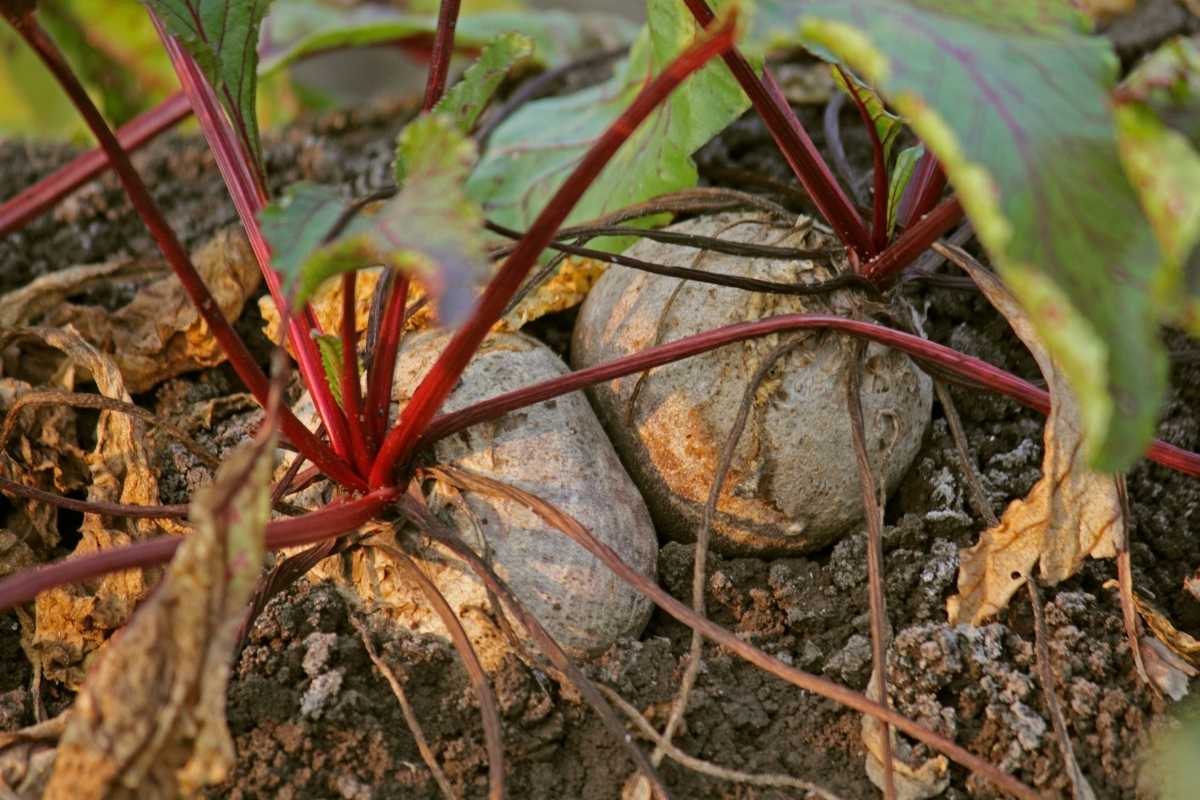
Soak “seed” clusters (actually fruits) for an hour, then sow 1/2 in (1.25 cm) deep, 2–3 in (5–8 cm) apart, rows 12 in (30 cm) apart. Thin seedlings to the strongest sprout per cluster; enjoy thinnings as micro-greens.
Beets like a loose, stone-free bed. Harvest at golf- to tennis-ball size for tender roots. Don’t forget the tops—beet greens are a spring superfood and a smart add to your vegetables in spring menu.
Frost, Covers & Simple Protection
Late cold snaps happen. Keep lightweight row cover on hand to shield seedlings and speed growth 1–3 weeks. Cloches or milk-jug domes protect lettuce starts and beet seedlings from wind while warming soil.
Remove covers for pollination when peas flower, then replace during frosty nights. This nimble approach is how to succeed with vegetables to grow in spring across unpredictable weather.
Soil Health & Watering Basics
Blend finished compost before planting and side-dress leafy crops with a gentle organic nitrogen source if growth stalls. Aim for 1 in (25 mm) of water per week—more on sandy soils. Morning watering reduces disease and keeps flavor sweet on greens.
Mulch pathways to suppress weeds and mud splash. Healthy soil structure plus steady moisture are the quiet heroes behind productive early spring vegetables.
Succession & Hand-Off To Summer
As lettuce and spinach tire, replant those squares with basil or bush beans. When peas finish, set tomatoes or cucumbers on that trellis—it’s already in place. This hand-off transforms early spring garden vegetables into a season-long plan.
Keep notes on dates, varieties, and yields. A one-page log turns this season into next spring’s playbook for Vegetables To Plant In Spring with even better timing.
Quick Planner: What To Grow In Spring
Fast eats: lettuce, spinach. Climbing snack: peas. Perennial anchors: asparagus, rhubarb. Root staple: beetroot. With these, your list of early spring vegetables to plant is simple, satisfying, and space-smart.
Want more? Browse sowing calendars and bed maps on Urbaki Gardening to dial in spacing, successions, and harvest windows for a thriving cool-season start.
Keep Exploring
Ready to plant? Gather seed, prep beds, and start small successions. With a short list of resilient crops, you’ll master Vegetables To Grow In Spring and set up a delicious summer—beginning with a basket of crisp greens and the first snap of homegrown peas.
More Gardening Tips 👇🏼👇🏼