
Growing the Stunning Coral Bark Maple Tree (Acer palmatum 'Sango Kaku')


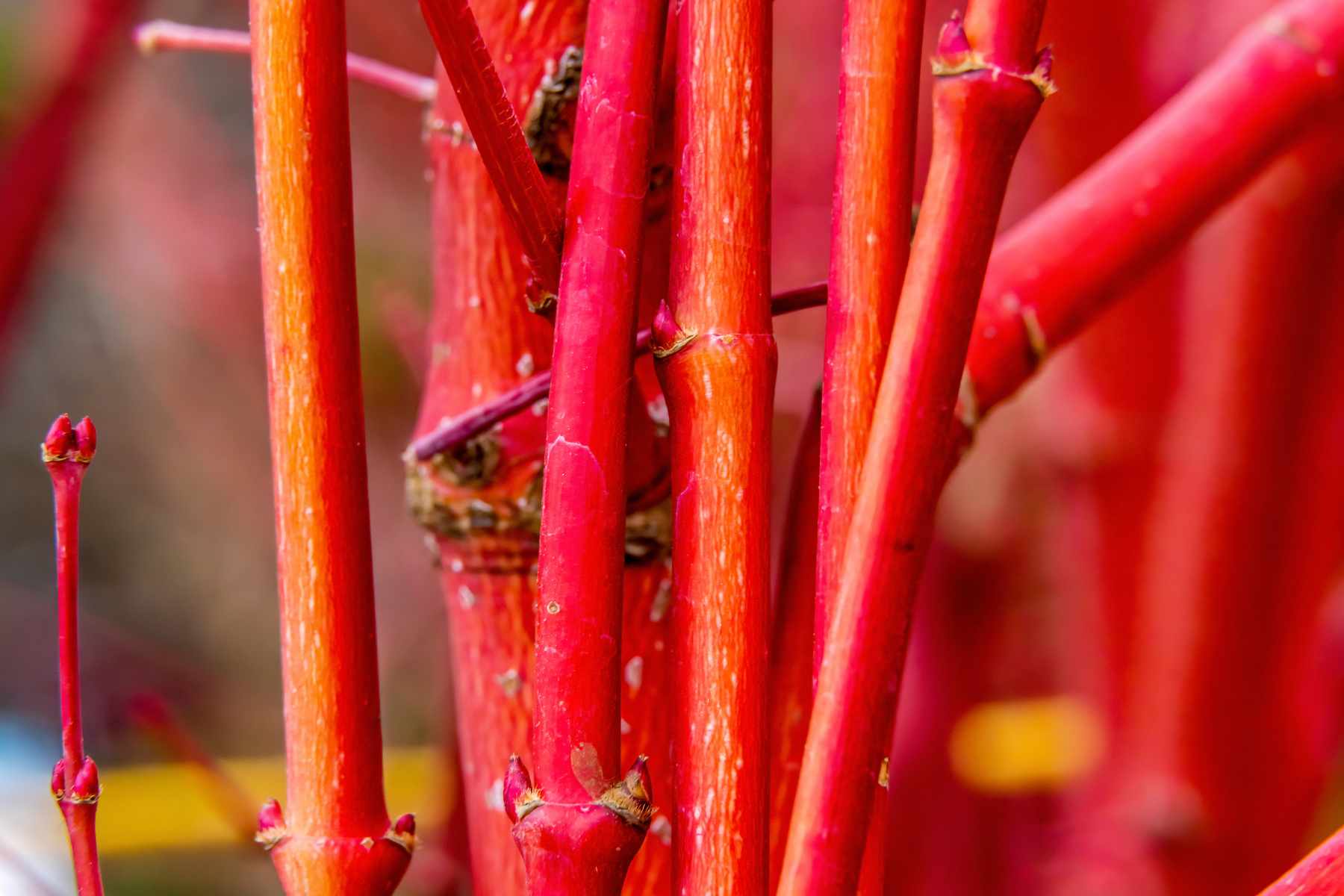
The Coral Bark Maple is a tree that immediately captures attention, thanks to its fiery red stems that glow against winter landscapes.
Officially known as Acer palmatum ‘Sango Kaku’, this variety is cherished not only for its unique bark but also for its graceful leaves that shift colors with each season.
Adding one to your garden is like painting year-round beauty into your landscape.
A Tree with Four-Season Appeal
One of the main reasons gardeners love this maple is its ability to shine throughout the year.
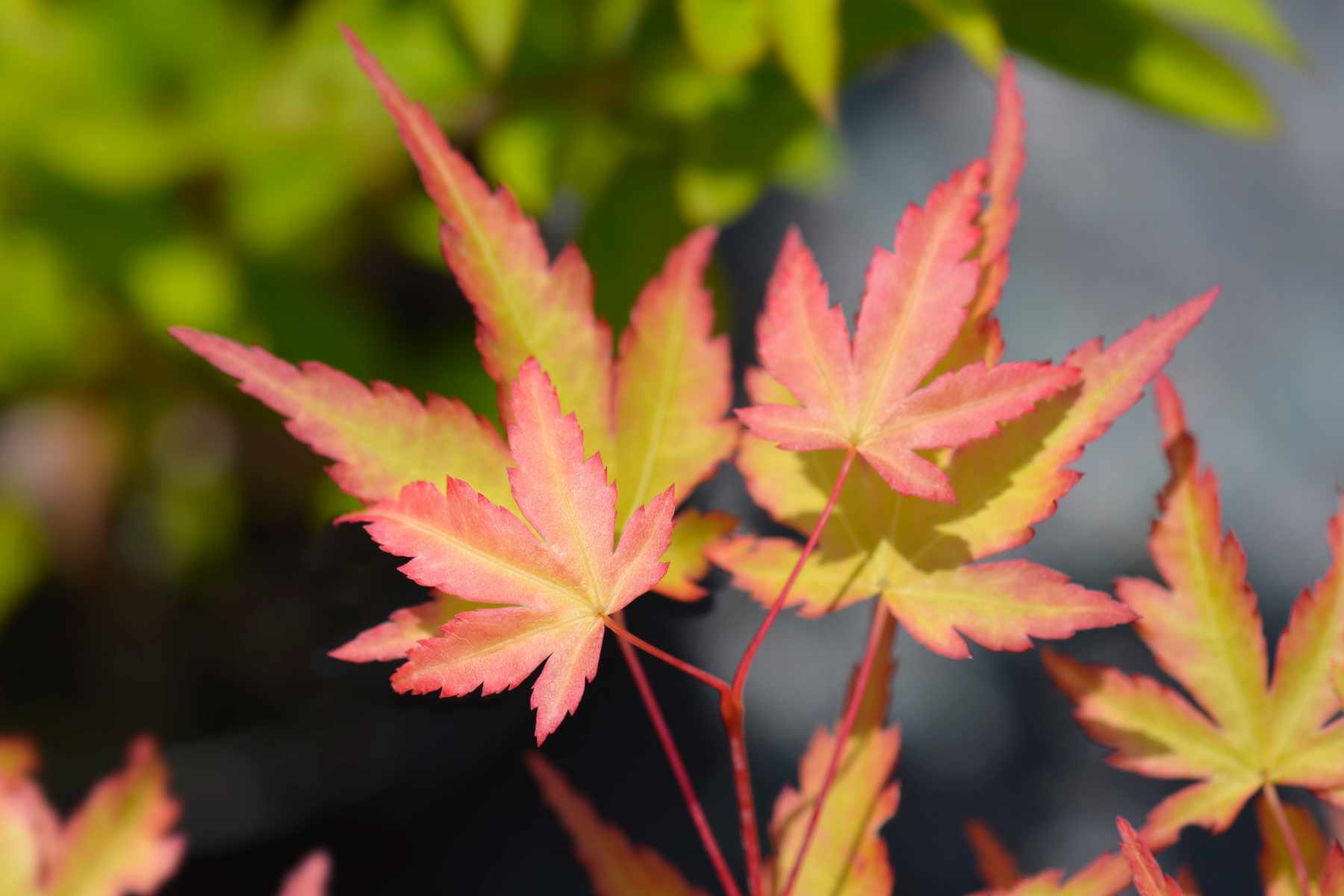
In spring, the fresh leaves emerge with a hint of pink before turning bright green. As summer progresses, the foliage remains vibrant and creates a soothing canopy of shade.
Fall brings a spectacular display of golden-yellow tones that contrast beautifully with the red stems.
Finally, when the leaves drop, the bare branches reveal their coral bark, bringing much-needed color to the gray months of winter.
Few trees offer this level of interest across all four seasons, which makes it a valuable addition to both large and small gardens.
Choosing the Right Spot
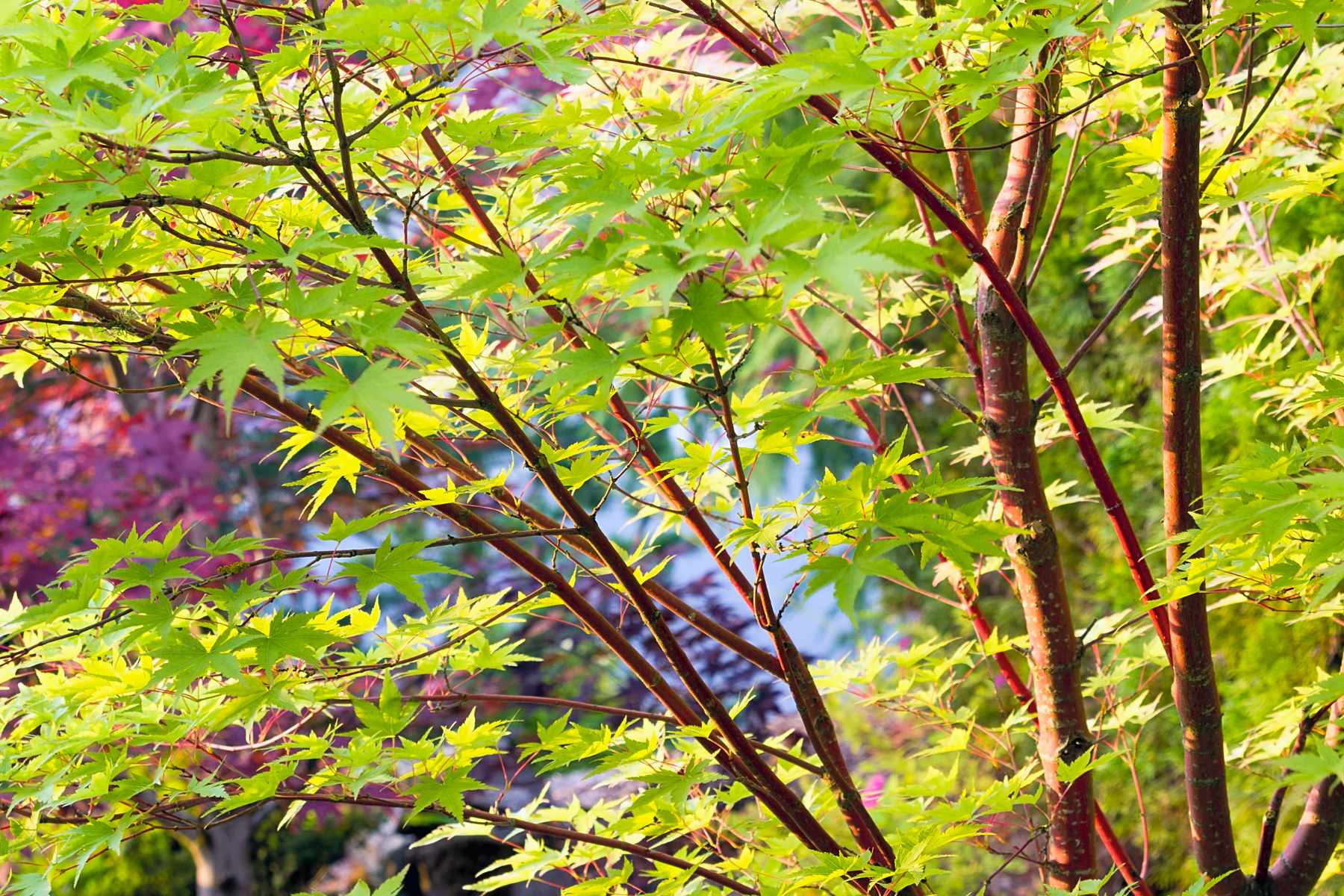
The Coral Bark Maple thrives when given the proper setting.
It prefers partial sun to light shade, as too much direct sunlight can scorch the delicate leaves. Morning light combined with afternoon protection usually works best.
When it comes to soil, this maple does well in well-draining, slightly acidic conditions.
Adding compost or organic matter can improve the structure of the soil and help the roots establish quickly.
Since it’s a tree that appreciates consistent moisture, avoid planting it in areas prone to drought stress. A mulch layer around the base helps retain water while also protecting the roots.
Growth and Care Tips
This maple is moderate in size, often reaching 15 to 25 feet in height, which makes it suitable for urban gardens, courtyards, or as a focal point in larger yards.
Its upright and vase-shaped form gives it an elegant structure without overwhelming the space.
Watering is essential, especially during the first couple of years after planting. Keep the soil evenly moist but not waterlogged.
Once the tree is established, it becomes more tolerant of varying conditions, but it still benefits from consistent care.
Fertilizing once in early spring with a balanced, slow-release option encourages healthy growth. Avoid heavy feeding, as this can lead to weak or leggy branches.
Pruning for Shape and Health
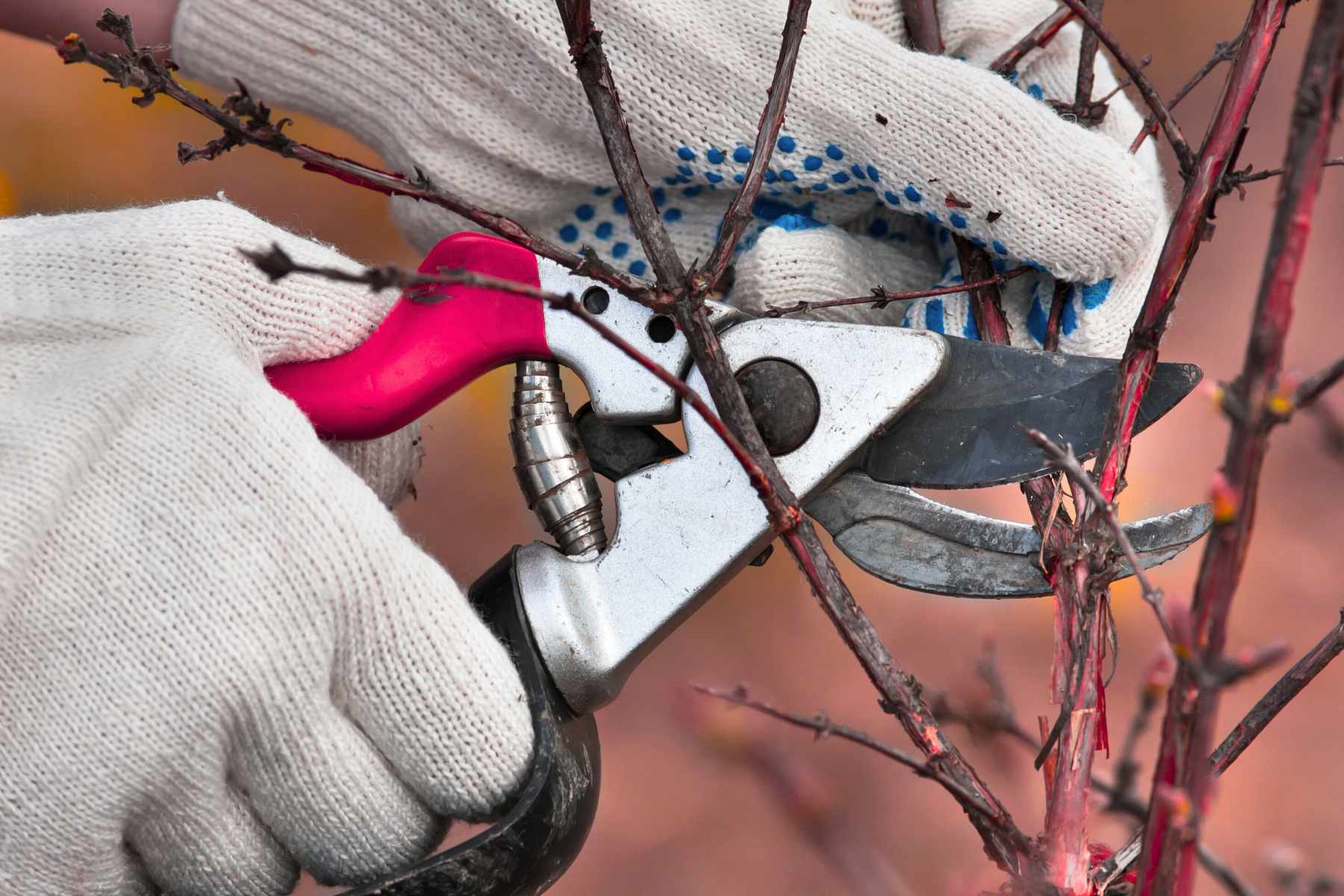
Pruning is best done during late winter or very early spring, just before new growth appears.
Remove any dead, damaged, or crossing branches to keep the structure open and attractive.
Light thinning can also help improve airflow and reduce the risk of fungal issues.
The natural shape of the Coral Bark Maple is already graceful, so pruning should be minimal.
Focus more on maintaining health rather than forcing a specific form.
Companion Planting and Landscaping Ideas

This tree pairs beautifully with other plants that highlight its features. Consider planting it near evergreen shrubs or conifers, which will provide a dark backdrop that makes the coral-colored bark pop in winter.
Spring bulbs like daffodils or tulips can create an enchanting base around the trunk, offering layers of color throughout the year.
Because it doesn’t grow too large, it works well near patios, entryways, or as part of a Japanese-style garden.
Whether placed in a prominent location or used as part of a mixed border, it never fails to stand out.
A Striking Choice for Any Garden
Growing a Coral Bark Maple is more than adding a tree—it’s choosing a living piece of art.
From its shifting foliage to its dramatic winter bark, it provides endless visual interest with relatively little maintenance.
With the right placement and a little care, this tree can thrive for decades, becoming a beloved highlight in your landscape.
Did you find this post useful or inspiring? Save THIS PIN to your GARDEN Board on Pinterest!

More Gardening Tips 👇🏼👇🏼