
How to Plant a Culinary Herb Garden!


Imagine stepping into your kitchen and plucking fresh basil, rosemary, or mint to elevate your dishes.
Growing your own culinary herb garden not only brings the freshest flavors into your home but also offers the satisfaction of nurturing your own green space.
Whether you're a beginner or an experienced gardener, starting your herb garden is easier than you think.
Choosing the Right Herbs for Your Garden
The first step to success in your culinary herb garden is selecting the right herbs for your space, climate, and cooking preferences.
Here’s a list of beginner-friendly herbs to get you started:
Basil: Perfect for summer, basil thrives in warm weather and is a must-have for any pasta dish or pesto.
Mint: Mint is versatile and easy to grow, ideal for both savory and sweet dishes. Keep it in a container to prevent it from overtaking your garden.
Rosemary: A hearty herb with a woodsy flavor, rosemary is perfect for roasting meats or adding to marinades.
Parsley: This fresh herb complements almost any dish, from salads to soups.
Thyme: Hardy and fragrant, thyme is perfect for slow-cooked dishes like stews and roasts.
Consider your space—whether you’re planting in a container on your windowsill, an indoor garden, or in an outdoor garden bed.
Different herbs have different needs, so be sure to choose ones that will thrive in your environment.
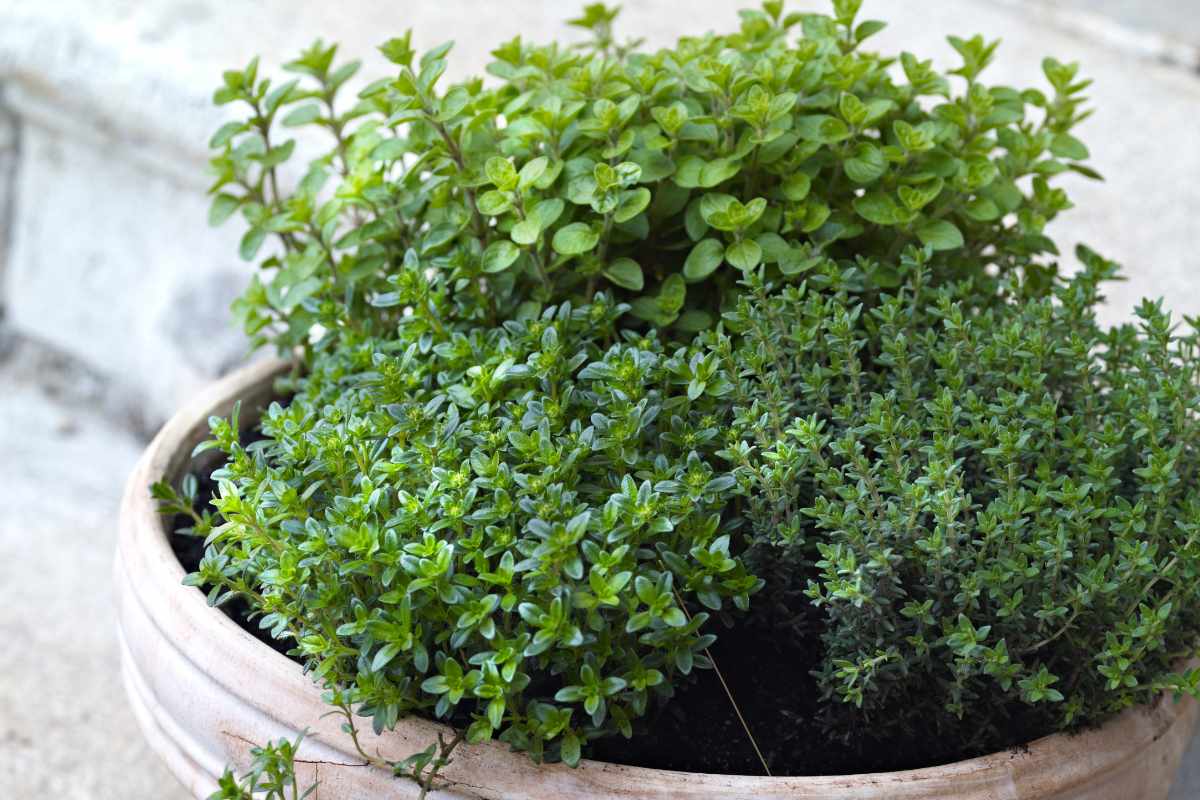
Preparing the Soil: A Key to Healthy Herb Growth
For your herbs to grow strong and flavorful, soil quality is essential. Most herbs prefer well-draining soil with a neutral pH. Here’s how to prepare your soil:
Choose the Right Soil: Opt for a high-quality potting mix if growing herbs in containers. For garden beds, aim for soil that is loamy and rich in organic matter.
Amend the Soil: If your soil is heavy clay or overly sandy, amend it with compost or organic matter to improve texture and drainage. For potted plants, consider adding perlite or sand to enhance drainage.
Test Soil pH: Herbs prefer a pH range of 6.0 to 7.0. Use a soil pH test kit to ensure your soil is within this range. If it’s too acidic or alkaline, amend it with appropriate soil treatments.
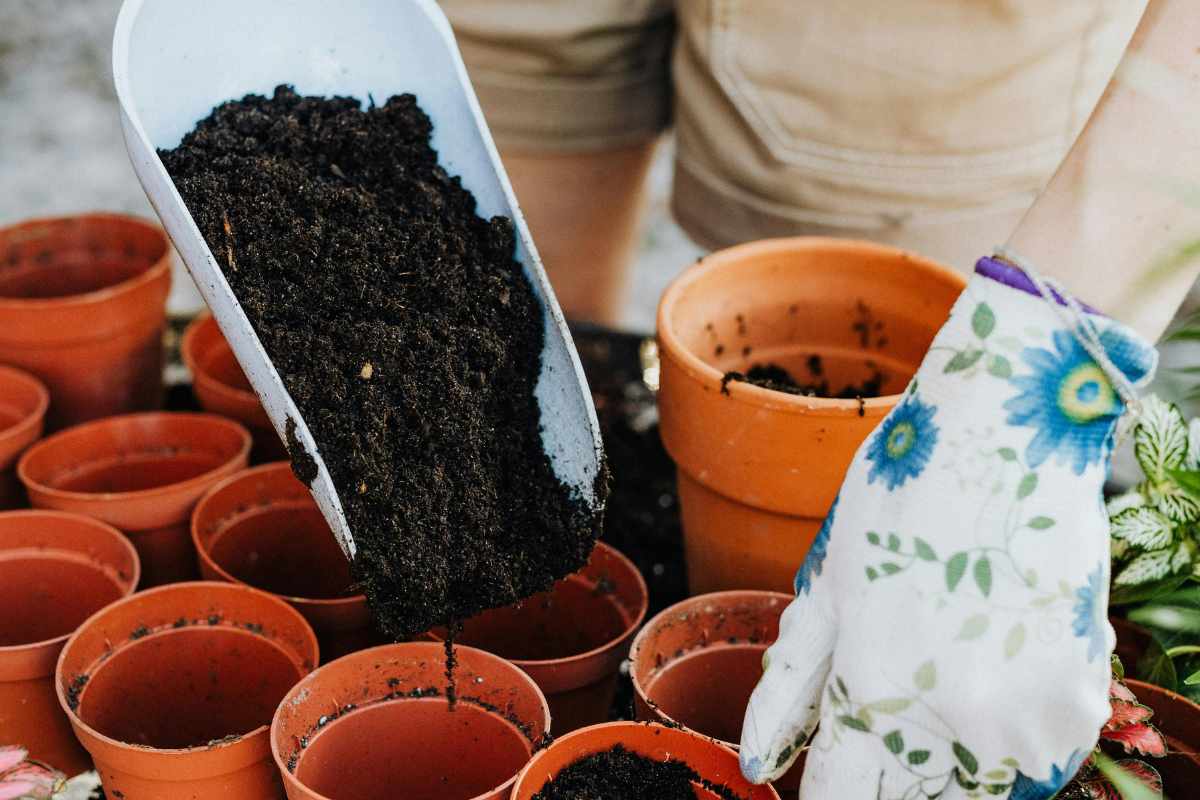
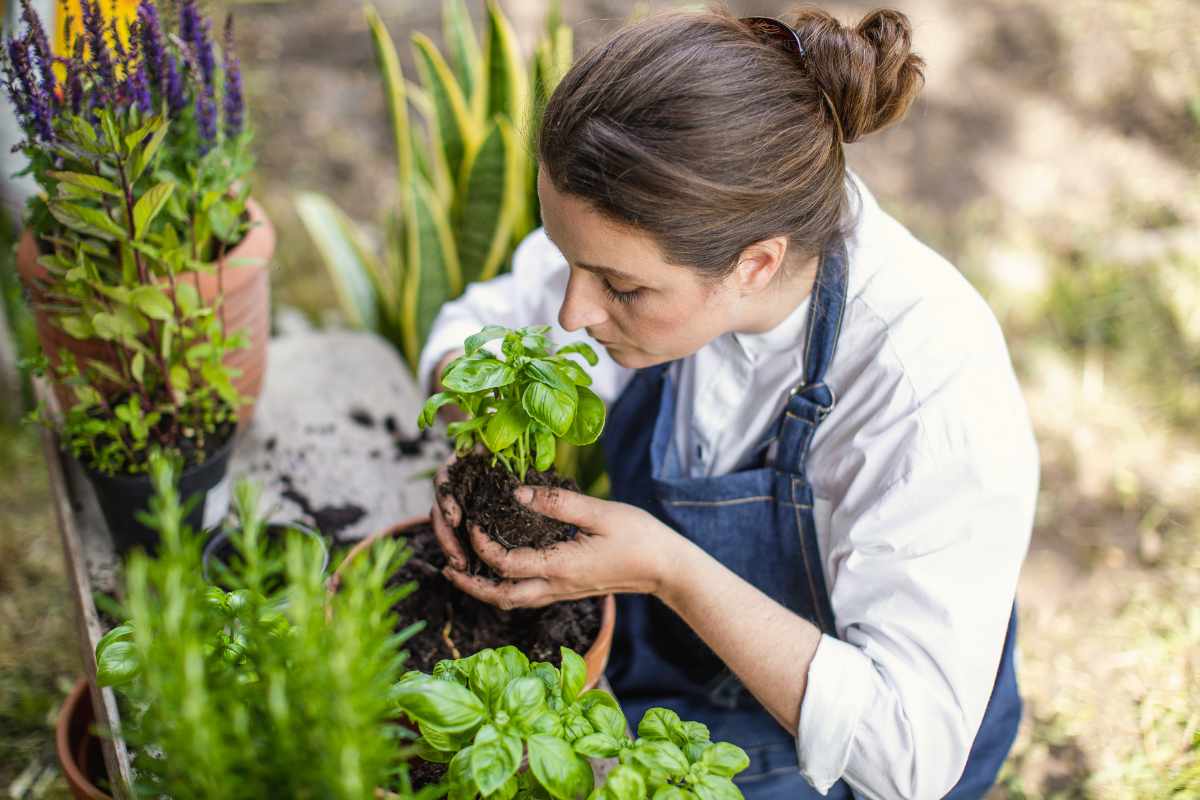
Planting Techniques: How to Get Your Herb Garden Started
Once your soil is ready, it’s time to plant. Follow these steps to ensure healthy growth for your herbs:
Spacing: Different herbs require different spacing, so be sure to plant them according to their needs. For example, basil should be spaced 12 inches apart, while thyme only needs 6 inches.
Containers vs. Garden Beds: If planting in containers, choose a pot with good drainage holes. For garden beds, make sure the herbs have enough space to grow without overcrowding.
Planting Depth: When planting herb seedlings, ensure the roots are buried in the soil with the top of the root ball slightly above ground level. For seeds, plant them according to the depth recommendations on the packet.
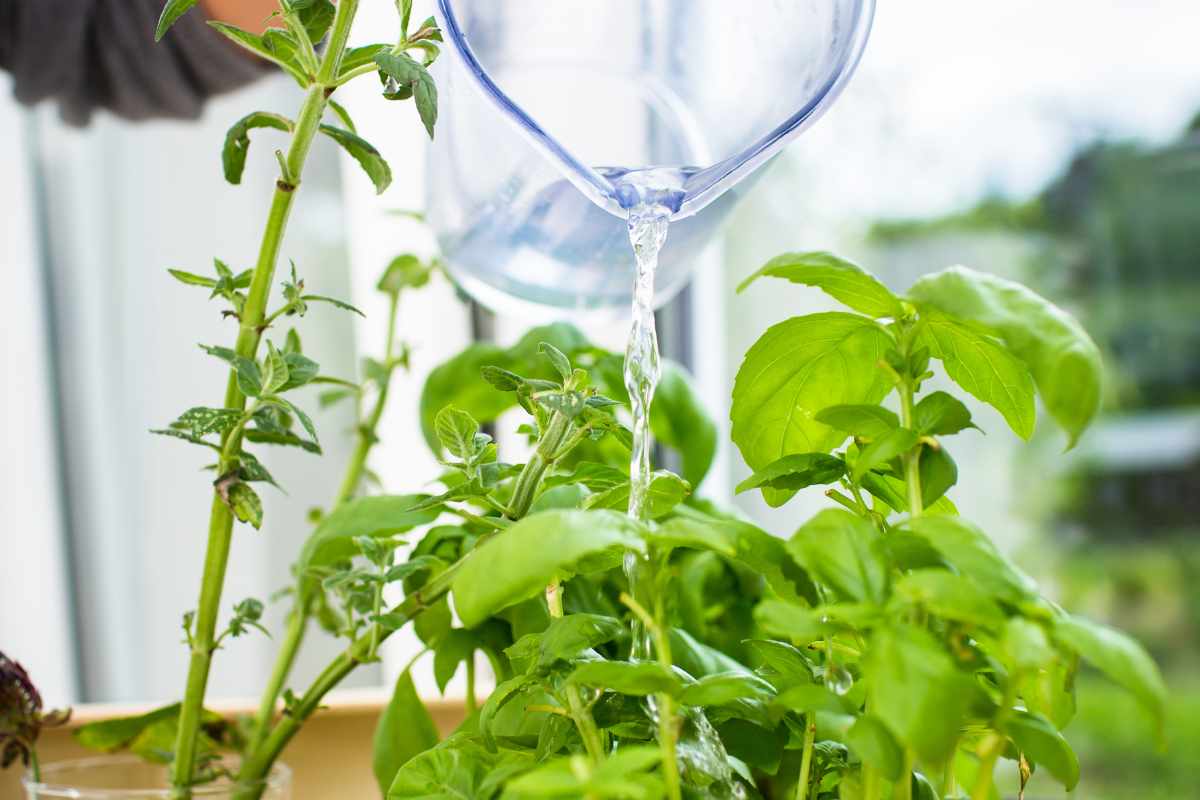
Watering and Maintenance: Keeping Your Herb Garden Thriving
Watering is crucial to keeping your herb garden healthy. Here’s how to manage your watering routine:
Watering Frequency: Most herbs prefer to dry out slightly between waterings. Check the soil with your finger—if it’s dry 1-2 inches down, it’s time to water. Be sure not to overwater, as this can lead to root rot.
Sunlight Needs: Place your herbs where they can receive at least 6 hours of sunlight daily. If growing indoors, choose a sunny windowsill or use grow lights.
Pruning and Deadheading: Regularly trim your herbs to encourage bushy growth. Removing flowers (deadheading) will also keep the herbs from going to seed too early.
Pest Control: Keep an eye out for common pests like aphids and spider mites. Use natural pest control methods, such as neem oil or insecticidal soap, to protect your herbs.
Harvesting Your Herbs: Tips for Maximum Flavor
Harvesting your herbs at the right time is key to getting the most flavor out of them. Here’s how to do it:
When to Harvest: For most herbs, the best time to harvest is before they flower, when the oils are at their peak. Pick leaves in the morning, after the dew has dried but before the sun is too hot.
How to Harvest: Use sharp scissors or garden shears to snip the stems. For bushy herbs like basil, pinch off the top leaves to encourage more growth. For woody herbs like rosemary, trim the outer sprigs and leave the inner stems to grow.
Preserving Herbs: If you’ve harvested more than you can use at once, preserve your herbs by drying or freezing them. To dry, tie them in bunches and hang them upside down in a dry, well-ventilated area. To freeze, place the herbs in ice cube trays covered with water or olive oil.
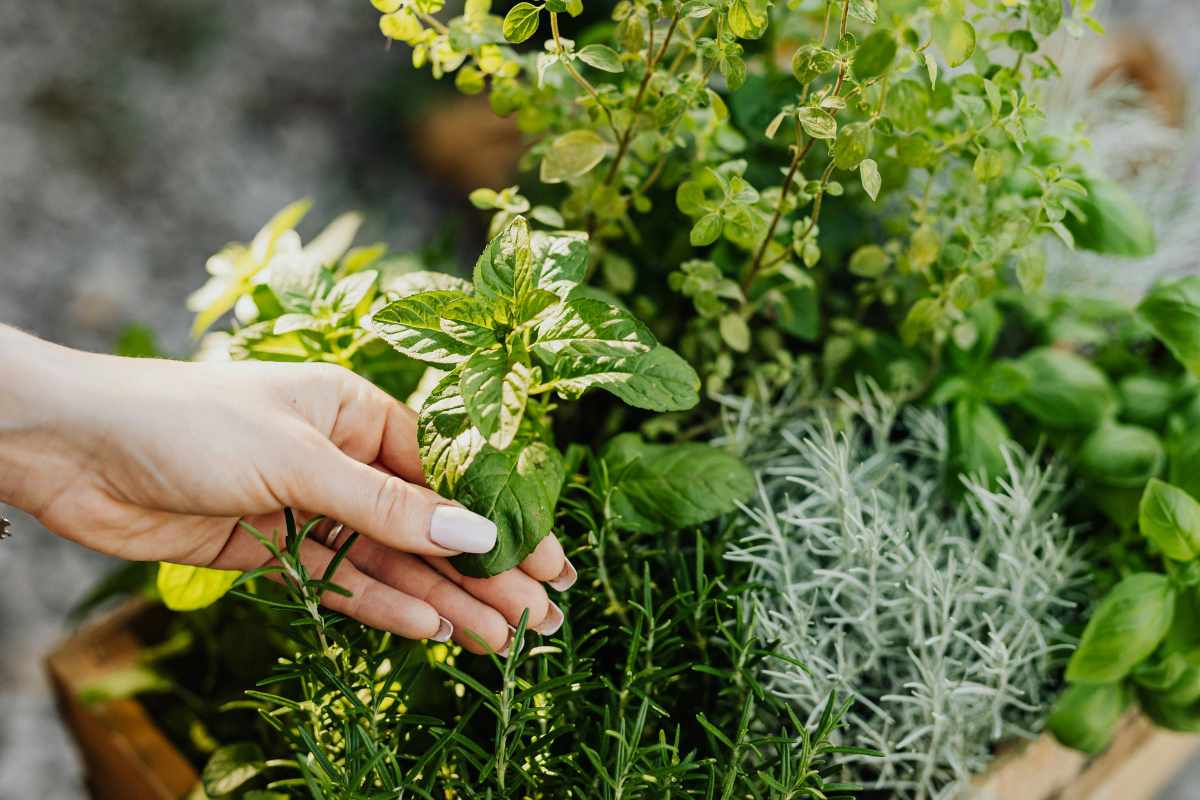
Start Your Herb Garden Today
Starting your culinary herb garden is a rewarding project that brings fresh, flavorful ingredients right to your kitchen.
Whether you’re growing herbs indoors or outdoors, with the right care and attention, you can enjoy your herbs year-round.
So, grab your gardening tools and start planting today—you’ll soon be harvesting and enjoying your very own homegrown herbs!
Enjoy This Video Tutorial

source: Food Wishes
Don’t forget to Subscribe to our Newsletter to receive amazing tips and tricks about Gardening and the FREE Ebook Green Living Strategies!
Did you find this post Useful or Inspiring? Save THIS PIN to your GARDENING Board on Pinterest! 😊

Once again, thank you for visiting our website!
We hope you've enjoyed exploring the content we've created for you.
Give yourself the chance to learn, get inspired, and have even more fun, keep browsing...
""
More Gardening Tips 👇🏼👇🏼