
12 Tropical Plants for Growing Indoors


tropical plants indoor are the quickest way to bring color, texture, and a vacation vibe to your living room. This guide highlights 12 reliable tropical indoor plants—plus simple care notes—so your indoor tropical plants stay lush year-round.
For fans of plants tropical and bold, we’ll also cover lighting, watering, and How To Grow Tropical Plants with confidence.
How To Grow Tropical Plants Indoors (Basics That Work)
Light: Most tropical house plants prefer bright, indirect light; a sheer-curtained east or south window is ideal.
Water: Keep soil lightly moist, never soggy—water thoroughly, then let the top inch dry.
Humidity: Aim for 40–60% with trays, grouping, or a small humidifier.
Feeding: Use a balanced liquid fertilizer at half strength monthly in spring–summer.
Soil & pots: Use a high-quality, airy potting mix with perlite or bark. Choose containers with drainage, and repot when roots circle. These fundamentals suit almost all tropical house plants indoor, giving you a reliable routine you can repeat.
12 Tropical Plants for Growing Indoors
Amazon Elephant’s Ear (Alocasia x amazonica)

Dramatic arrow-shaped leaves with bright veins bring instant statement energy. Give bright, filtered light and steady humidity; allow the top inch of soil to dry before watering.
Care tip: Alocasias can rest in winter—reduce water and resume feeding when new growth appears.
Anthurium (Anthurium andraeanum)

Glossy leaves and long-lasting “flowers” (colorful spathes) shine on desks and shelves. Provide bright, indirect light and consistent moisture without waterlogging.
Care tip: Increase humidity for better blooms; wipe leaves to keep that lacquered look.
Bird of Paradise (Strelitzia reginae)

Architectural foliage and birdlike blooms with strong light. Water deeply, then let the top layer dry; give the sunniest indoor spot you have.
Care tip: Rotate monthly to prevent leaning and dust the broad leaves to boost photosynthesis.
Bromeliad (Bromeliaceae)

Colorful rosettes with a central “cup.” Keep water in the cup (refresh weekly) and the soil slightly moist. Medium to bright light keeps colors vivid.
Care tip: After flowering, offsets (pups) appear—separate and pot to multiply your collection.
Cordyline (C. terminalis)
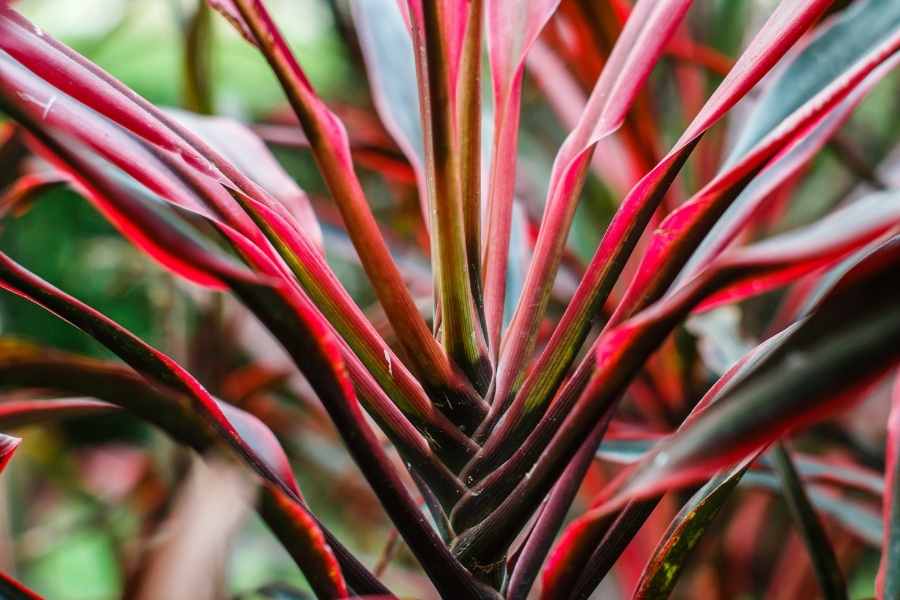
Pink, burgundy, or lime-striped foliage adds tropical drama. Likes bright light and evenly moist soil with good drainage.
Care tip: Use filtered water if tips brown—cordylines can be sensitive to salts.
Dumb Cane (Dieffenbachia seguine)

Speckled leaves thrive in bright to medium light. Keep soil slightly moist; avoid cold drafts.
Care tip: Wear gloves when pruning; like many aroids, the sap can irritate skin.
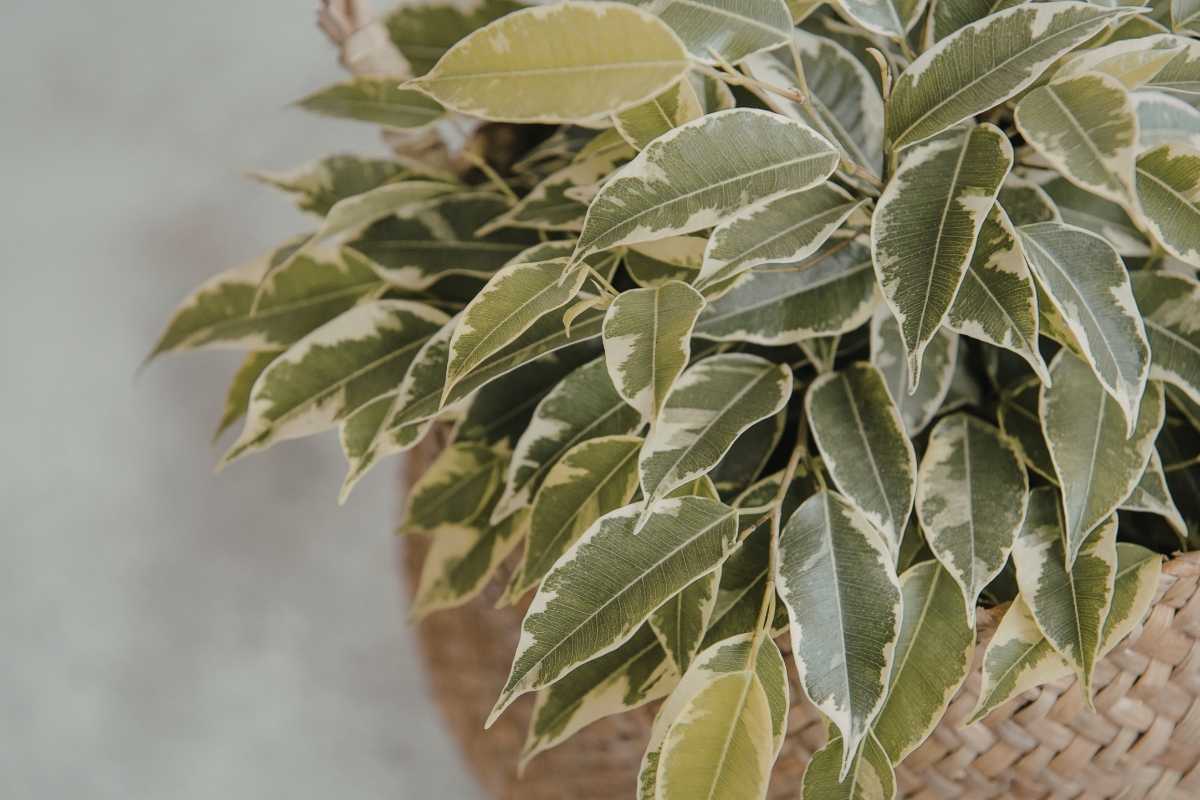
Ficus (Ficus benjamina)

Graceful tree habit for corners and entryways. Needs bright, indirect light and consistent care—avoid big location changes.
Care tip: Sudden leaf drop usually means light or water stress; stabilize the routine and it rebounds.
Kentia Palm (Howea)

Elegantly arching fronds tolerate lower light better than many palms. Water when the top inch is dry; don’t overdo it.
Care tip: Dust fronds regularly and feed lightly in the growing season for steady, graceful growth.
Peace Lily (Spathiphyllum)

Shiny foliage and white spathes in medium light. Likes consistently moist soil—never bone-dry, never soggy.
Care tip: It droops to signal thirst; water, and it perks back within hours.
Philodendron (Philodendron)

From heartleaf trailers to split-leaf icons, philodendrons adapt easily. Bright, indirect light and a chunky mix keep roots happy.
Care tip: Let vines trail or climb a moss pole for bigger leaves and a fuller look.
Schefflera (Schefflera arboricola)

Umbrella-like leaf clusters brighten bright to medium-light rooms. Water when partially dry and turn the pot for even growth.
Care tip: Pinch tips to encourage branching and a compact, bushy habit.
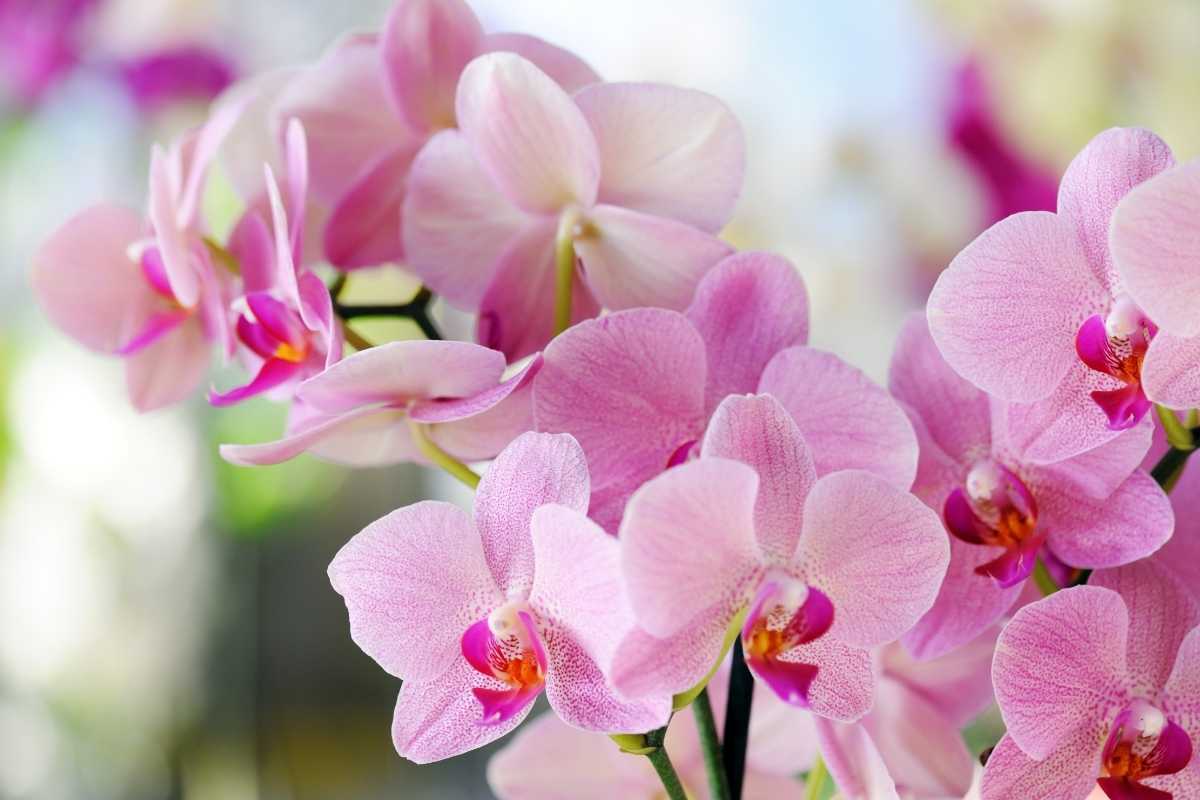
Orchids (Orchidaceae)

Phalaenopsis orchids bloom for months with bright, indirect light and thorough watering followed by free drainage.
Care tip: Use orchid bark, not regular potting mix; feed weakly weekly during active growth.
Room-by-Room Styling For Tropical House Plants
Living room: Pair a Bird of Paradise with a trailing philodendron for height and softness.
Bedroom: Peace lily filters air and handles lower light.
Office: Anthurium or bromeliad delivers color with minimal fuss. These combinations make tropical indoor plants feel curated, not cluttered.
Small spaces? Group three textures—broad (Alocasia), strappy (Cordyline), and feathery (Kentia Palm)—to create a lush focal point. This approach lets tropical plants indoor transform even a tiny nook.
Troubleshooting & Seasonal Routine
Yellow leaves: often overwatering—check drainage and frequency. Crispy tips: low humidity—add a tray or humidifier. Leggy growth: not enough light—move closer to a bright window. With consistent care, your indoor tropical plants will bounce back fast.
Seasonal rhythm: Repot in spring, feed in summer, reduce water in winter. Follow these basics, and you’ll master How To Grow Tropical Plants while keeping your tropical house plants indoor collection vibrant.
Keep Exploring
Ready to expand your jungle? Browse more plant profiles, soil mixes, and styling tips on Urbaki Gardening. With the right routine, tropical house plants turn everyday rooms into calming retreats—no passport required.
More Gardening Tips 👇🏼👇🏼