
12 Best Veggies & Herbs to Regrow from Kitchen Scraps


Regrowing vegetables and herbs from kitchen scraps is a sustainable and cost-effective way to enjoy fresh produce right at home.
By reusing leftovers, you can create your own mini garden, reduce waste, and enjoy the satisfaction of growing your own food.
In this article, we'll explore the best veggies and herbs you can regrow from scraps, along with step-by-step instructions and tips to ensure your regrowing journey is successful.
Vegetables and Herbs to Regrow from Kitchen Scraps
1. Green Onions (Scallions)
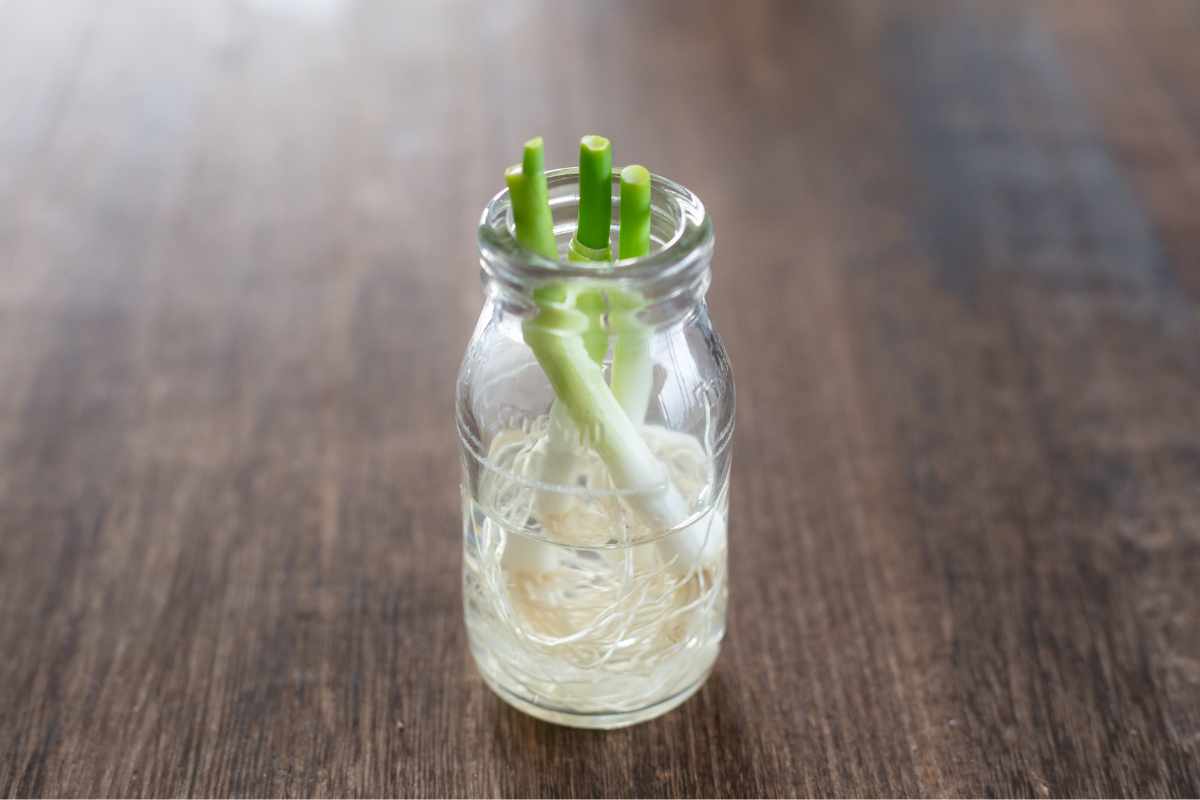
Green onions are one of the easiest vegetables to regrow.
Simply place the white roots in a jar of water, ensuring they are completely submerged. Within a few days, you'll start to see new shoots growing from the top.
Green onions typically regrow in about 7-14 days and can be harvested multiple times. Keep them in a sunny spot and change the water regularly to encourage fresh growth.
2. Lettuce
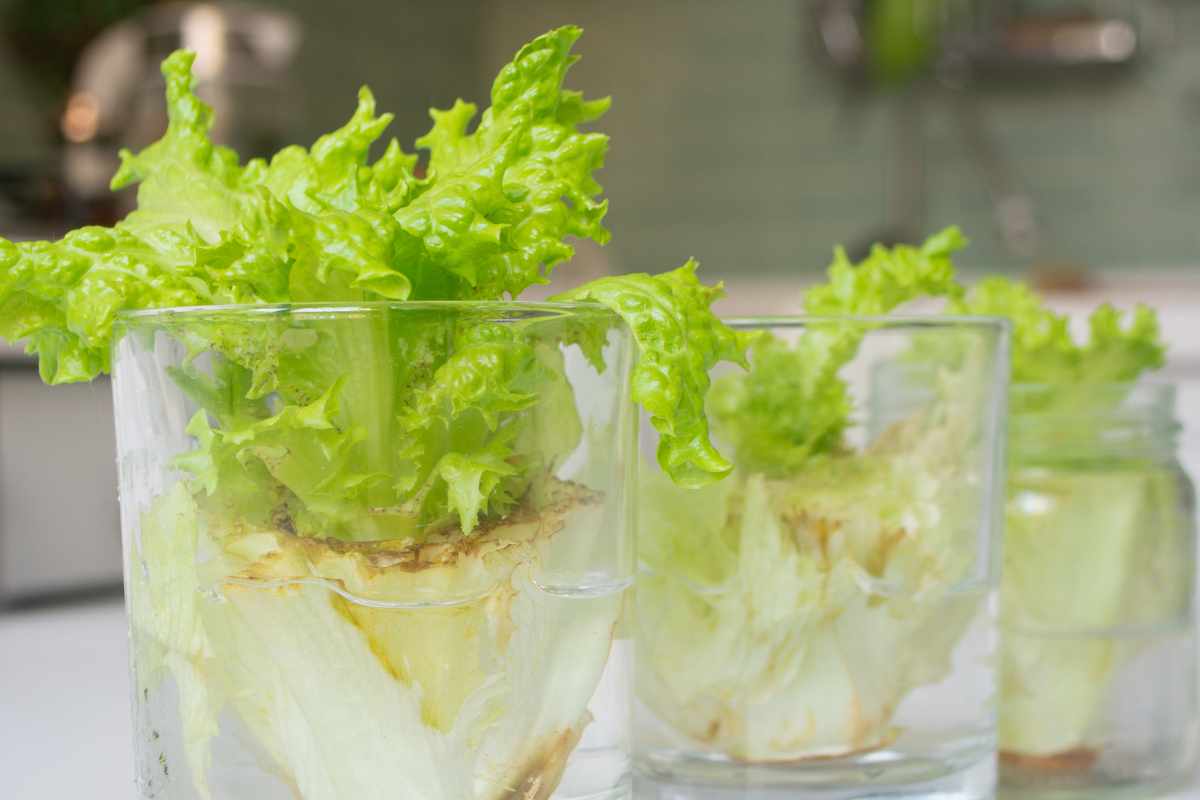
Lettuce is another great vegetable to regrow from kitchen scraps.
After cutting the lettuce leaves, place the base of the lettuce in a shallow dish with enough water to cover the bottom.
Within 10-14 days, you’ll notice the center starting to grow new leaves.
Once roots form, you can either transfer it to soil for continued growth or keep it in water for smaller, more frequent harvests.
Make sure it’s placed in a sunny location for optimal growth.
3. Celery

To regrow celery, simply cut off the base of the stalk and place it in a shallow dish with enough water to cover the bottom.
In 2-3 weeks, you’ll see new growth emerging from the center.
Celery thrives in water, but once it has established roots, you can transplant it into soil for a more permanent solution. Keep it in a sunny spot and change the water every few days for the best results.
4. Basil
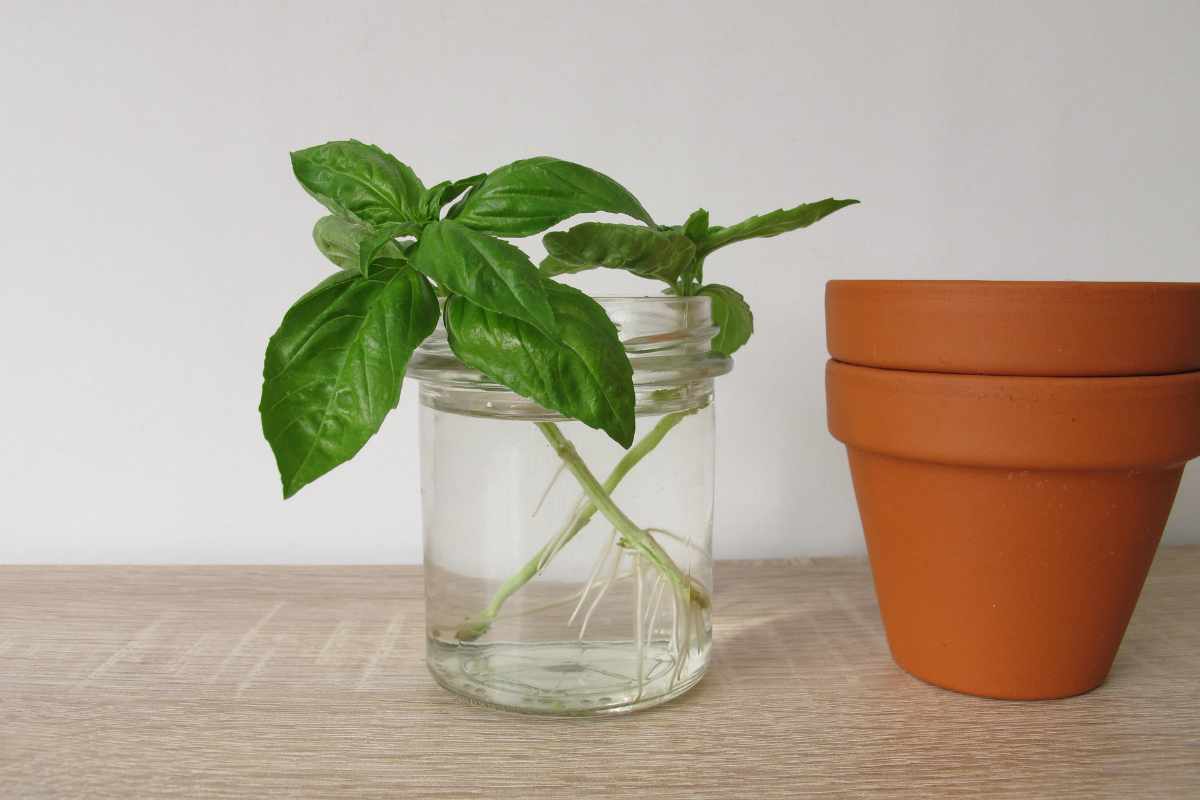
Basil is a wonderful herb to regrow from kitchen scraps. Take a cutting of fresh basil, making sure the stem is at least 4-5 inches long, and place it in a jar of water.
Roots will begin to form within 2-3 weeks.
Once the roots are established, you can plant it in soil for continued growth.
Basil loves the sun, so ensure it gets plenty of sunlight to keep the leaves fresh and flavorful.
5. Mint
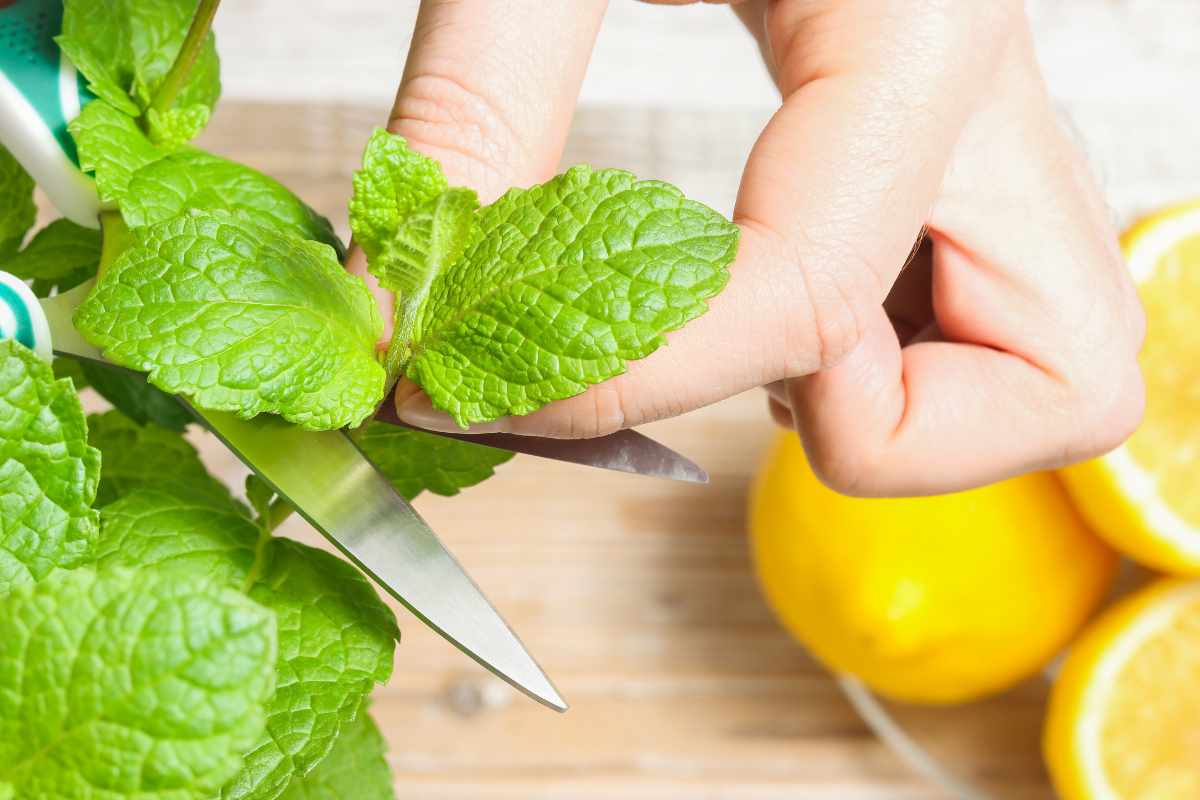
Mint is a hardy herb that can easily be regrown from scraps. Simply cut a sprig of mint and place it in a glass of water.
Within 10-14 days, the mint will begin to sprout roots.
Mint can be a bit invasive, so it's best to keep it in a container.
Once it has grown roots, transplant it into soil, making sure it receives enough sunlight and moisture.
6. Cilantro
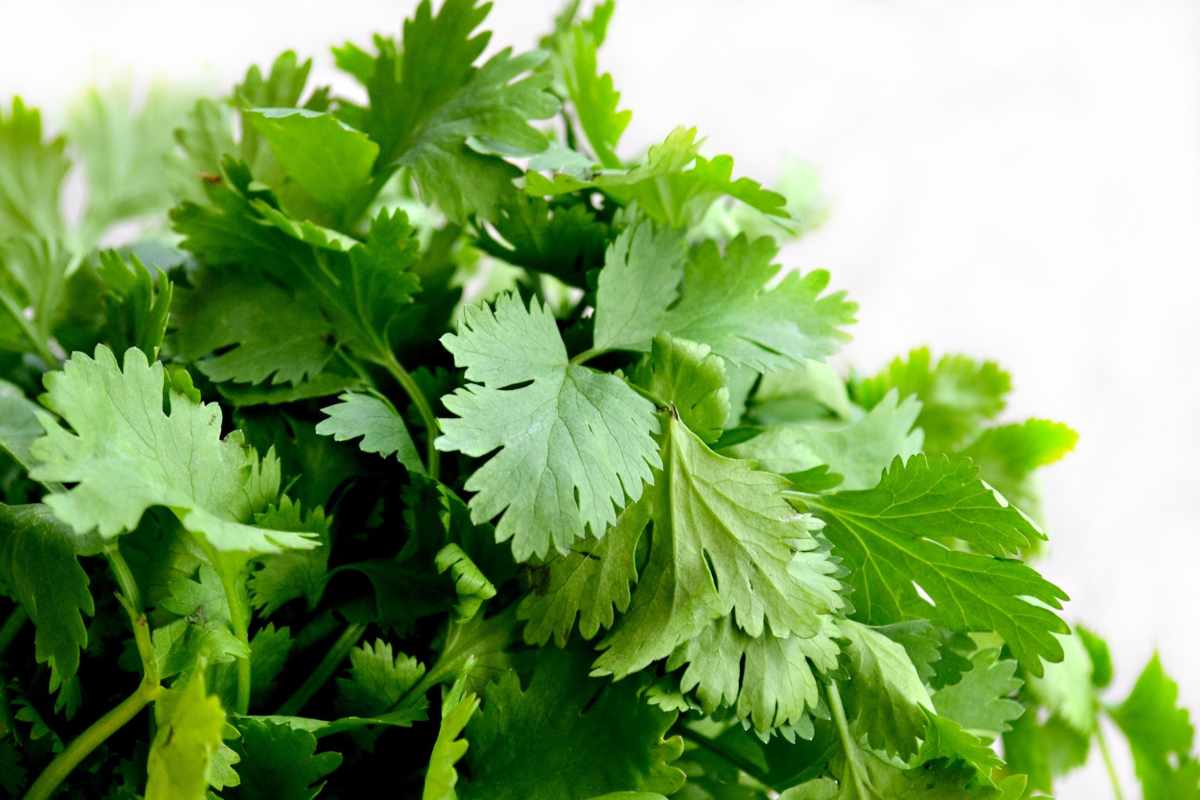
Cilantro, like basil, can be regrown by placing cuttings in water.
Place the stems in a glass of water and change the water every couple of days.
After 2-3 weeks, roots will start to grow. You can then transplant the cilantro into soil for continued growth.
Cilantro enjoys cool temperatures, so make sure it is placed in a location that doesn’t get too hot.
7. Tomatoes

Tomatoes can be regrown by planting seeds from store-bought tomatoes or by using the top of a cut tomato. Simply place the seeds in soil and keep them in a warm, sunny location.
The plant will begin sprouting within 4-6 weeks.
For the top of a tomato, place it on top of moist soil, and roots will start to form. Transplant it to a larger container once the roots have established themselves.
8. Bell Peppers
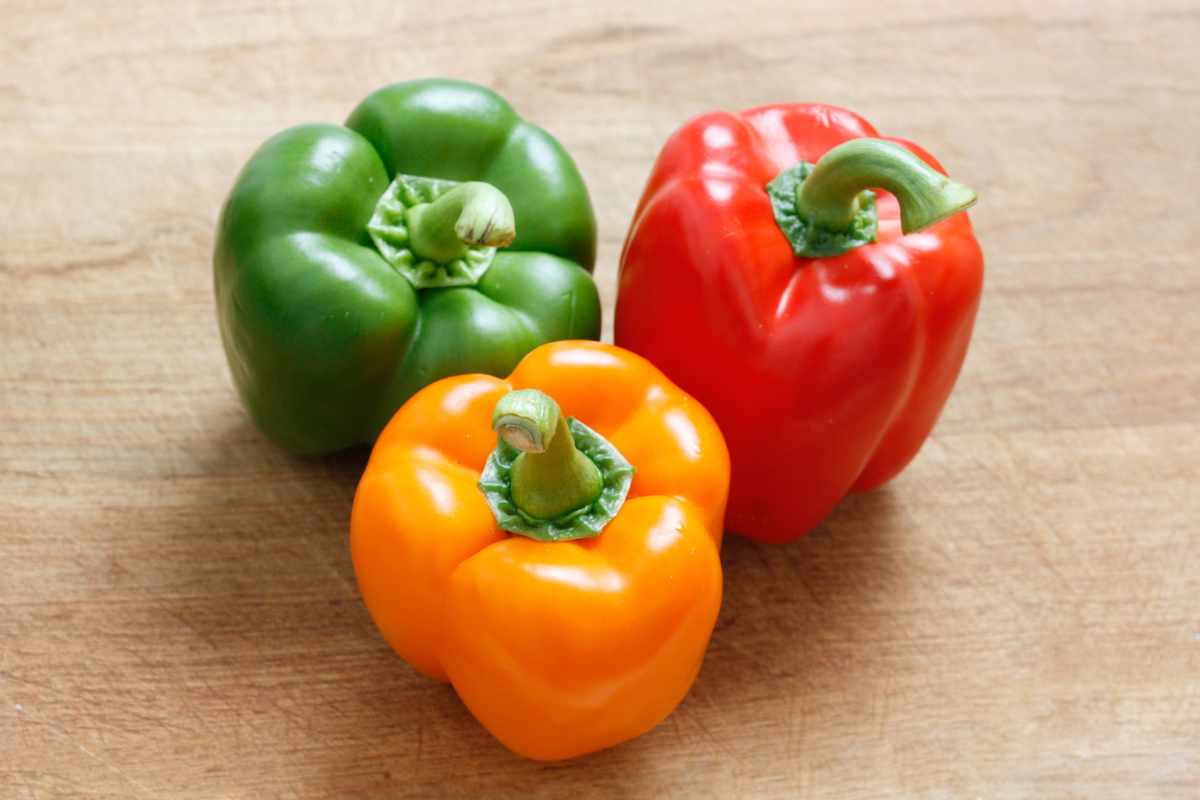
Bell peppers can be regrown by saving the seeds from a pepper you’ve eaten.
Place the seeds in a container with moist soil, and keep them in a sunny spot.
Within 2-3 weeks, you’ll notice the seeds sprouting. You can also regrow the top of the pepper by planting it directly in soil.
Once the plant has grown, keep it watered and provide it with plenty of sunlight.
9. Ginger

Ginger can be regrown from a piece of fresh ginger root that has visible “eyes” (small growth buds).
Place the ginger in a container with moist soil, making sure the buds are facing up. Within 3-6 weeks, roots will begin to develop.
Ginger thrives in warm, humid conditions, so make sure to keep it in a warm location and provide consistent moisture.
10. Carrots
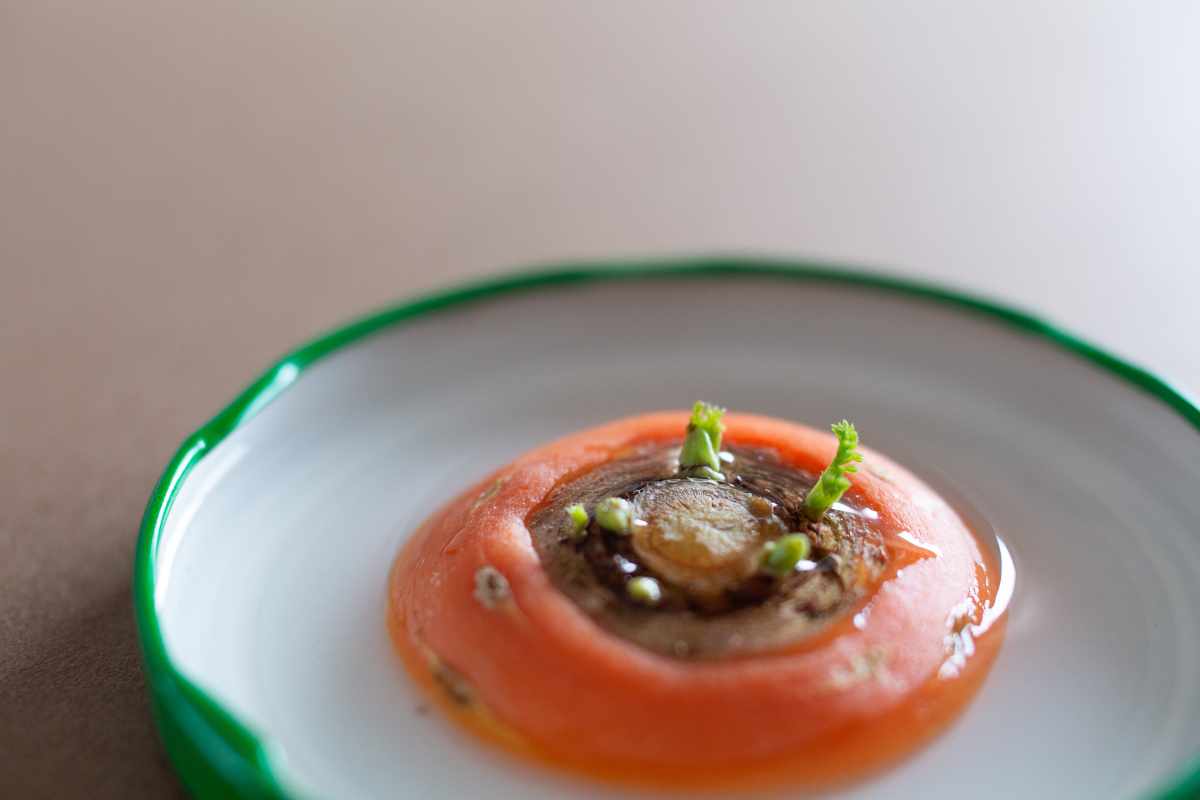
Carrot tops can be regrown by placing the cut-off tops of the carrots in a shallow dish of water.
The green tops will start to grow within 2-3 weeks. While the tops can be regrown, the actual carrot root does not regrow in the same way.
To continue growing the carrot root, transplant the carrot tops into soil after they have sprouted and allow them to mature.
11. Potatoes
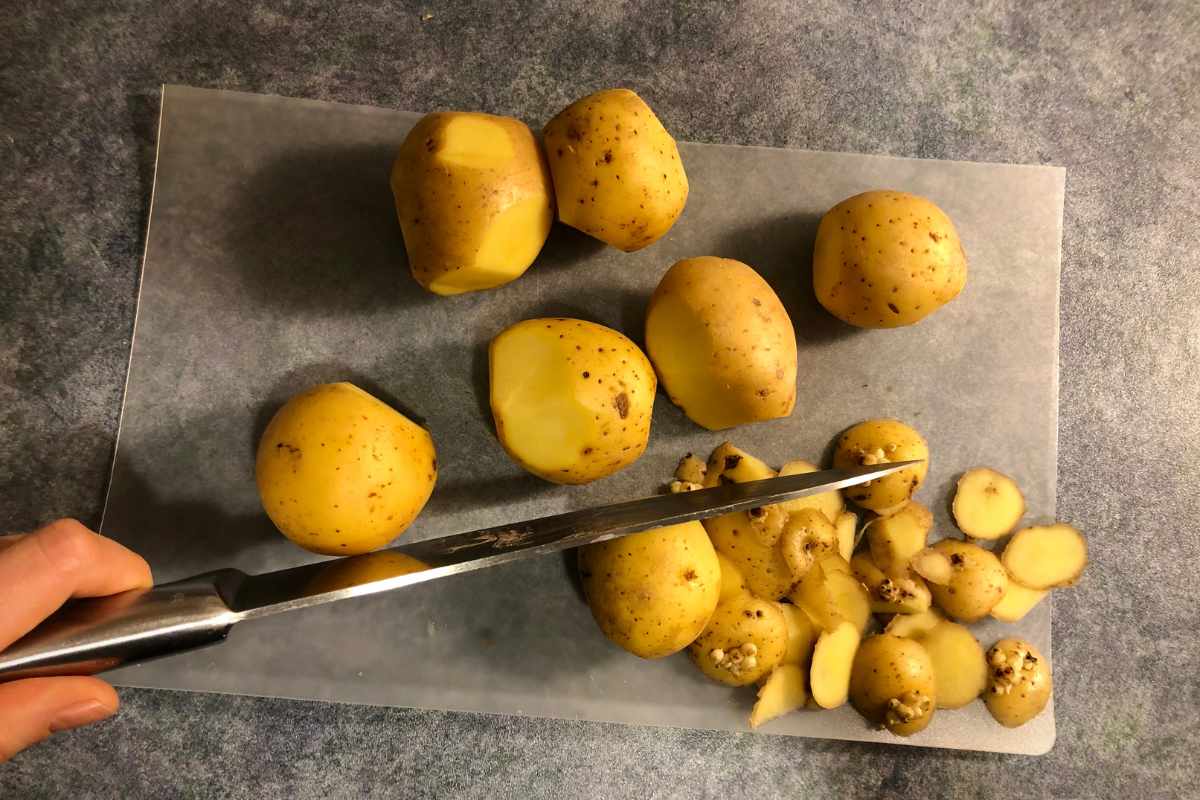
To regrow potatoes, plant the eyes (sprouted sections) of a potato in soil. Ensure the soil is loose and well-drained.
Within 3-4 weeks, you’ll see the potatoes start to grow.
Potatoes require a lot of space, so planting them in a larger container or garden bed will give them room to thrive. Keep the soil moist, but not waterlogged, and ensure they get plenty of sunlight.
12. Sweet Potatoes
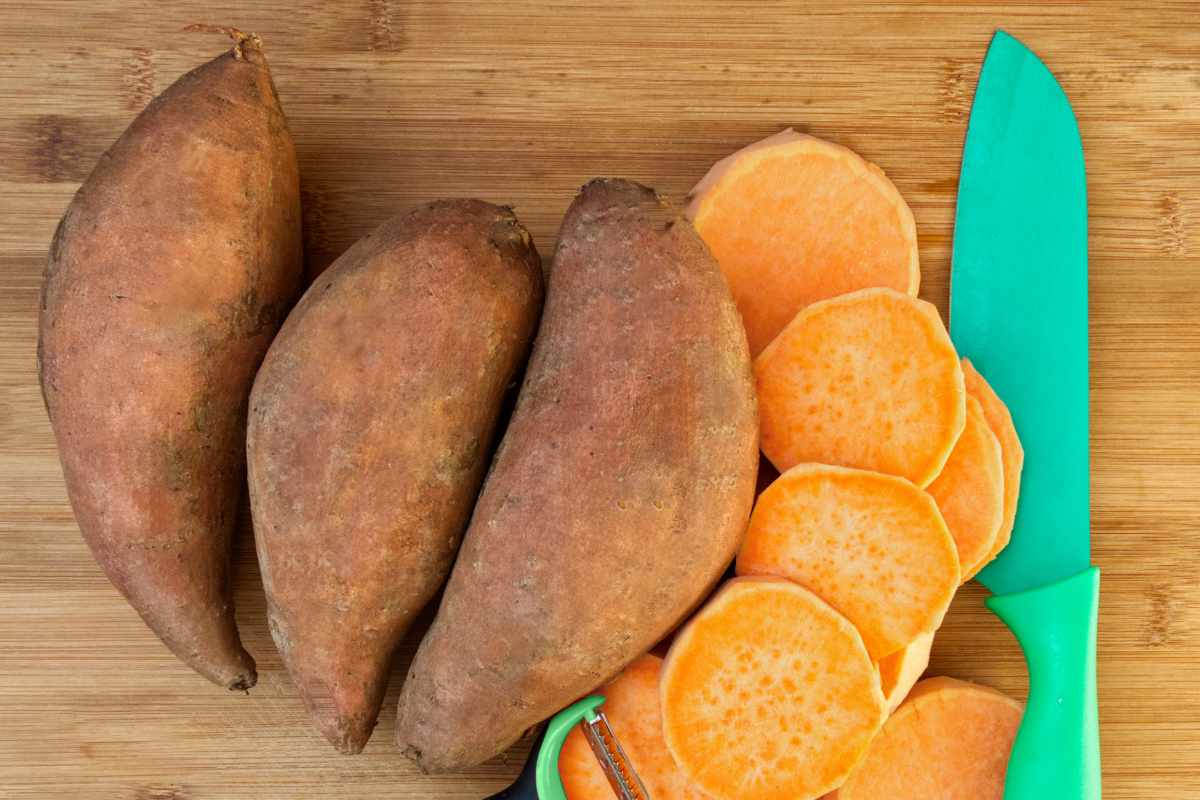
Sweet potatoes can be regrown by placing the entire potato in water until it begins to sprout.
Once you see vines growing, cut them off and place them in water to root.
After 3-4 weeks, the sweet potato vines will have roots, and you can plant them in soil.
Sweet potatoes need warmth and sunlight to thrive, so keep them in a sunny location for the best growth.
Step-by-Step Guide to Regrowing Kitchen Scraps
If you're new to regrowing kitchen scraps, here's a simple guide to get you started:
Choose Your Scraps: Select any of the veggies or herbs listed above that you’d like to regrow.
Prepare Containers: Use jars, dishes, or pots, depending on the plant you’re regrowing. Ensure they have enough space for roots to develop.
Positioning: Place your container in a sunny spot (a windowsill is ideal). Plants need sunlight for photosynthesis.
Watering: For water-based regrowth, change the water regularly. For soil-based regrowth, water the plant gently but consistently.
Transplanting: Once roots have developed, transplant the plant into a larger container or your garden soil to encourage further growth.
Troubleshooting Tips:
If leaves turn yellow or fall off, adjust light exposure.
If roots don't appear, ensure the water level is adequate and clean.
Start Regrowing Today!
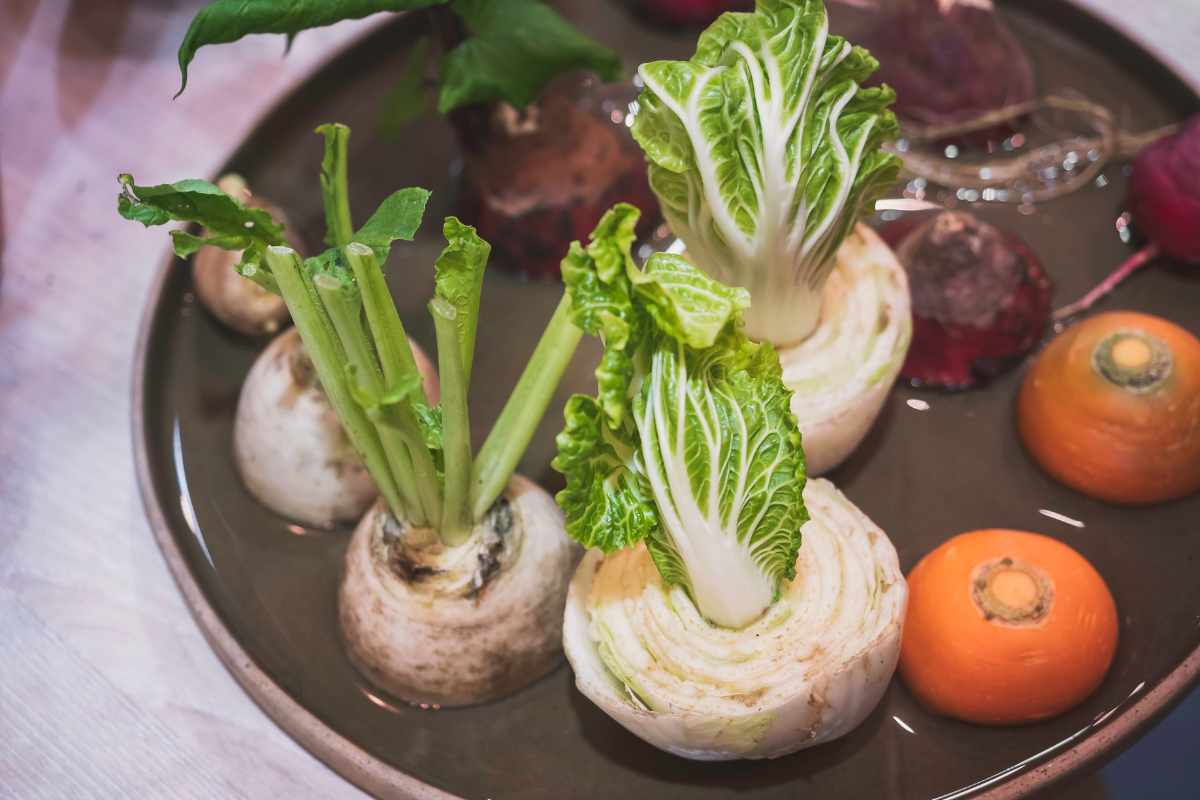
Now that you know which vegetables and herbs are perfect for regrowing, it’s time to start your own indoor garden.
Whether you're looking to save money, reduce waste, or enjoy fresh, homegrown food, regrowing plants from kitchen scraps is a rewarding and simple way to improve your lifestyle.
Start small and gradually expand your garden. Don’t forget to share your progress and experiences in the comments below – we’d love to hear from you!
Enjoy the Tutorial
CLICK HERE! to see the full post "12 Best Veggies & Herbs to Regrow from Kitchen Scraps"
Did you find this post useful or inspiring? Save THIS PIN to your Gardening Board on Pinterest!😊

Once again, thank you for visiting our website!
We hope you've enjoyed exploring the content we've created for you.
Give yourself the chance to learn, get inspired, and have even more fun, keep browsing...
More Gardening Tips 👇🏼👇🏼