
The Best Way to Grow Herbs Indoors


Imagine having fresh basil, mint, or rosemary right at your fingertips, even in the middle of winter.
Indoor herb gardens make it possible, adding both flavor to your cooking and a touch of greenery to your home.
They’re an ideal choice for anyone with limited outdoor space or those living in climates where gardening isn’t always an option.
In this guide, we’ll cover the most effective ways to grow herbs indoors, along with troubleshooting tips and a closer look at the easiest herbs to start cultivating in your own space.
How to Set Up Your Indoor Herb Garden: A Step-by-Step Guide
Step 1: Choose the Right Spot
The first step in setting up your indoor herb garden is finding the perfect location.
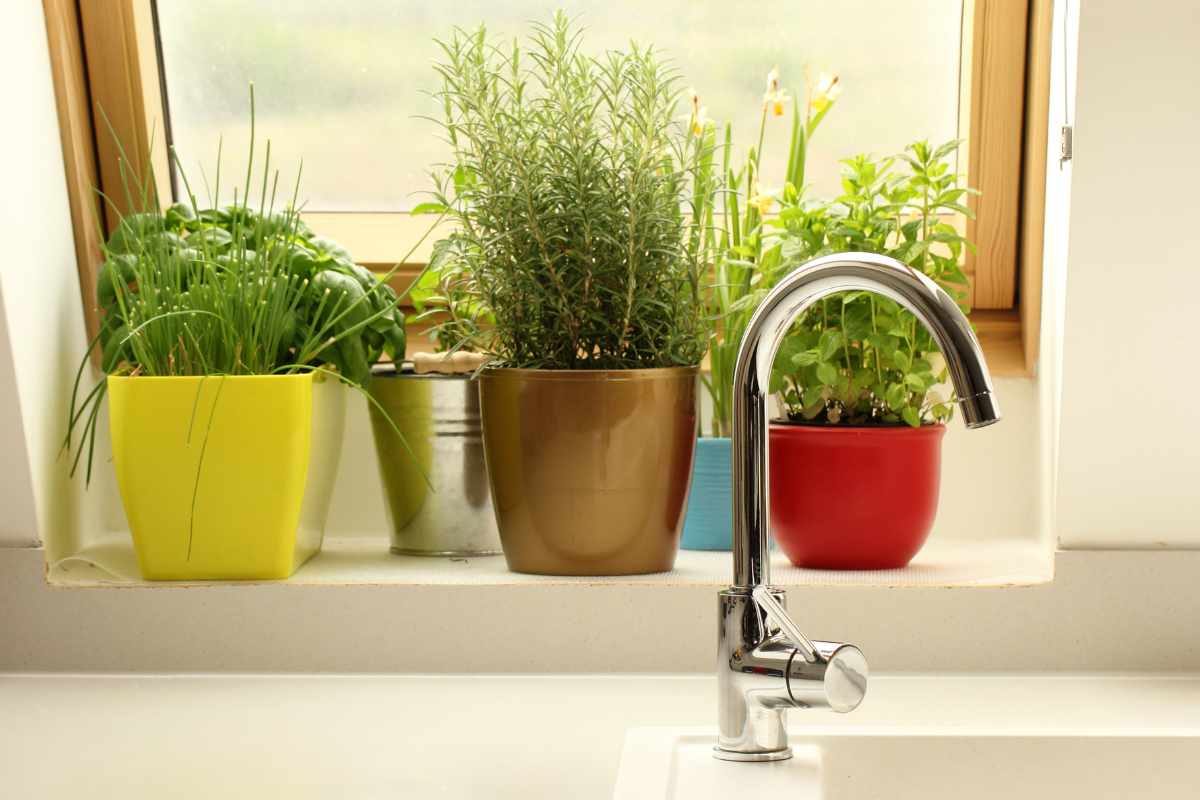
Herbs require approximately 6–8 hours of direct sunlight daily to thrive. A sunny windowsill or a south-facing window is usually ideal.
If your home doesn’t get enough natural light, you can use a grow light to give your plants the boost they need.
Step 2: Select Proper Containers
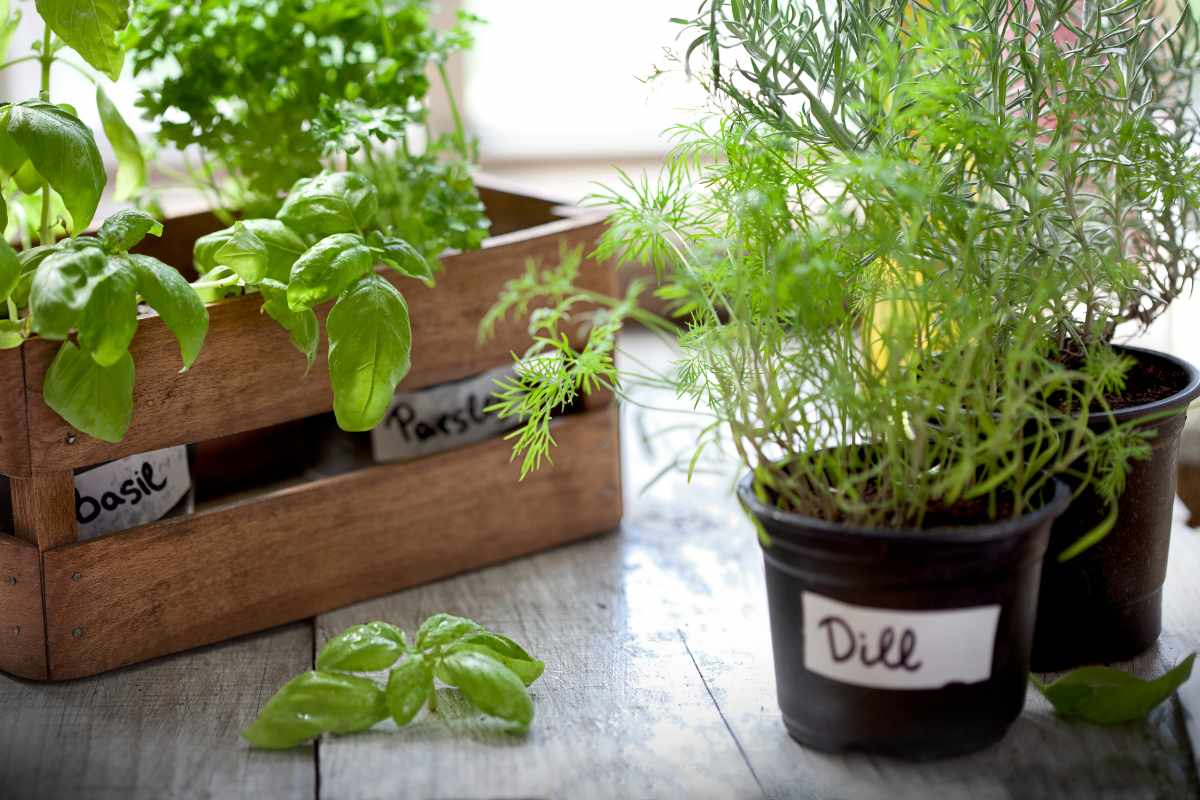
Next, ensure your herbs are in containers with good drainage. This is essential to prevent water from collecting at the bottom and causing root rot.
Choose pots with drainage holes, or repurpose items like mason jars—just ensure they allow excess water to escape.
Step 3: Use the Right Soil
The type of soil you choose matters. A potting mix designed for herbs works best, but you can also make your own blend using peat moss, perlite, and compost.
This ensures your herbs get the right balance of nutrients and aeration.
Step 4: Pick the Best Herbs for Indoors
Some herbs adapt better to indoor growing than others:
Basil: Loves warm, sunny spots and thrives on a windowsill.
Thyme: Low-maintenance, requires less water, and fits well in smaller containers.
Mint: Grows quickly, so it’s best to give it its own pot.
Parsley & Cilantro: Need moderate sunlight and benefit from regular harvesting.
Step 5: Water Carefully
Watering is one of the most important aspects of herb care.
Overwatering is a common mistake, so let the top layer of soil dry before watering again. Herbs generally prefer slightly drier soil, and drainage holes are key to avoiding standing water.
Step 6: Fertilize Occasionally
To keep your herbs strong and healthy, feed them with an organic liquid fertilizer every 4–6 weeks.
Avoid over-fertilizing, as this can result in weak, leggy growth rather than lush, flavorful leaves.
Step 7: Harvest Regularly
When it’s time to harvest, do so often to keep plants full and productive.
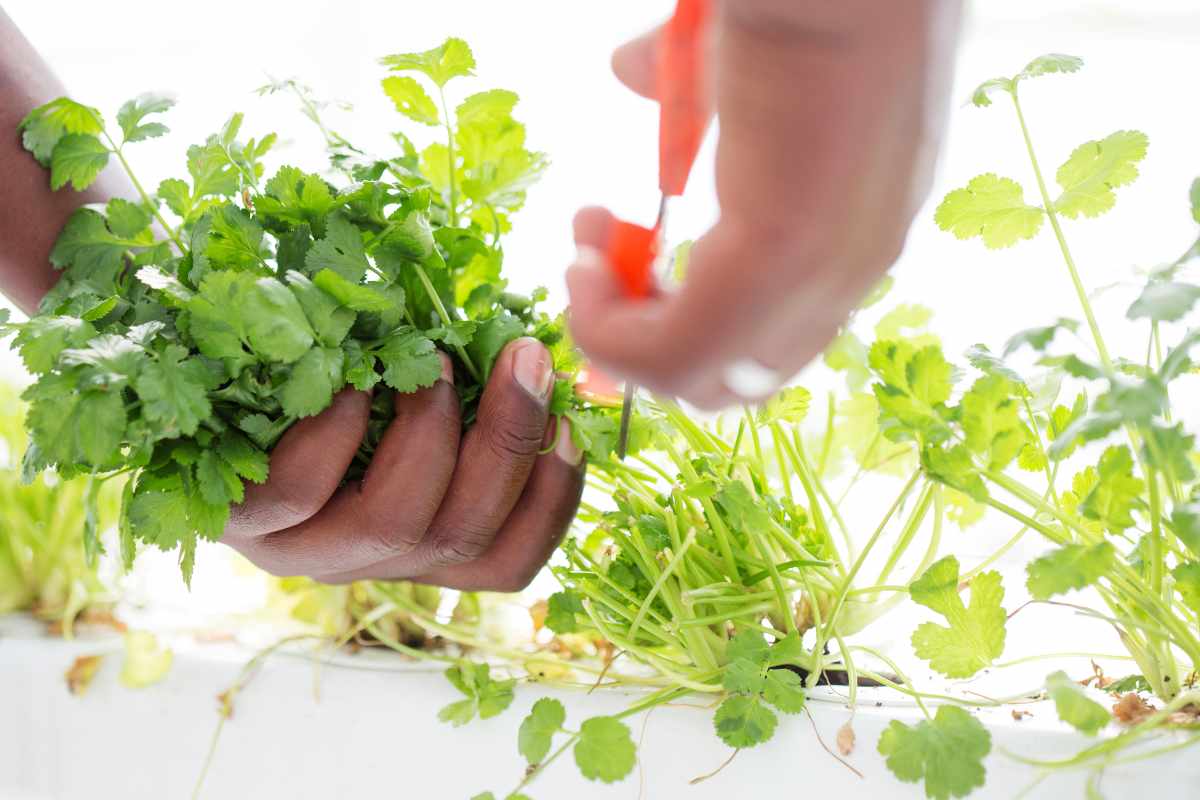
Use clean scissors or pruning shears to trim leaves and stems, always cutting from the top to encourage new growth.
Be careful not to remove too much from a single plant, as this can weaken it.
Troubleshooting Common Indoor Herb Problems
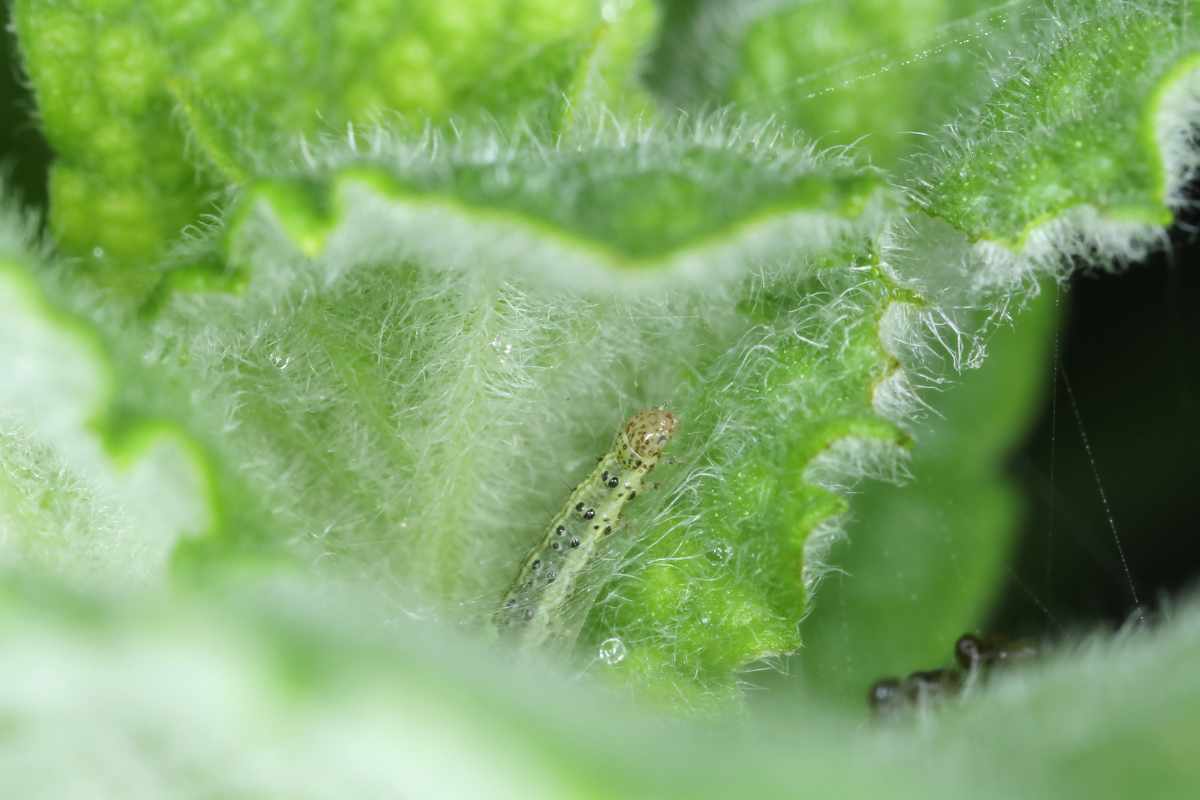
Even though indoor herbs are fairly easy to grow, a few issues can pop up. Yellowing leaves usually mean overwatering, so let the soil dry a bit and ensure your pots have good drainage.
Leggy growth happens when plants don’t get enough light—move them to a sunnier spot or use a grow light.
Watch out for pests like aphids or spider mites; insecticidal soap or a mild water-and-dish-soap mix can help.
Wilting often signals underwatering or heat stress, so check moisture levels and keep herbs away from drafts or heaters.
If you see yellow new growth, that points to a nutrient deficiency—feed with a balanced fertilizer to restore plant health.
Popular Indoor Herbs and Their Care Needs
Some herbs are particularly well-suited for indoor gardening.
Basil loves full sunlight and needs regular watering to keep the soil moist. It’s perfect for making fresh pesto or adding flavor to Italian dishes.
Thyme, on the other hand, requires less water and can survive in smaller containers, making it ideal for those with limited space. It’s great for adding flavor to roasted meats or vegetables.
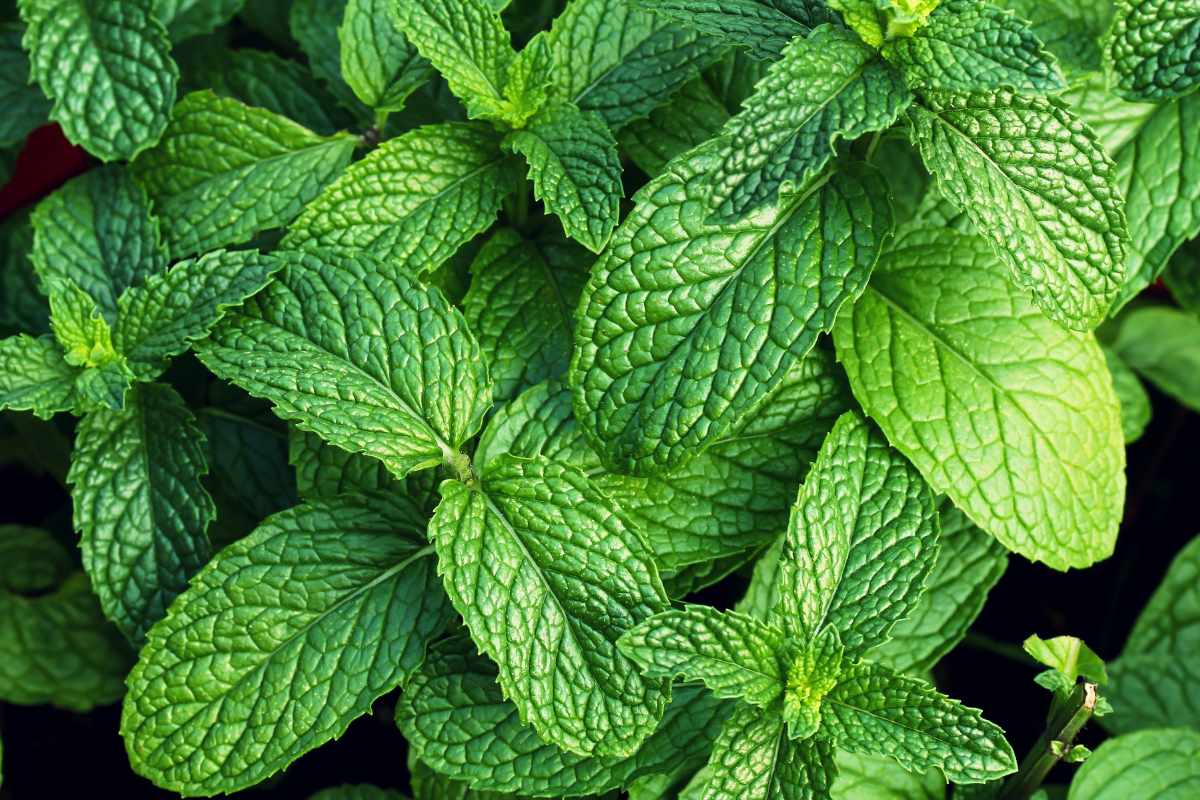
Mint is another great herb for indoor gardens, but be cautious, as it can spread quickly. It thrives in partial sunlight and requires regular watering. Mint is perfect for making tea, adding to cocktails, or garnishing desserts.
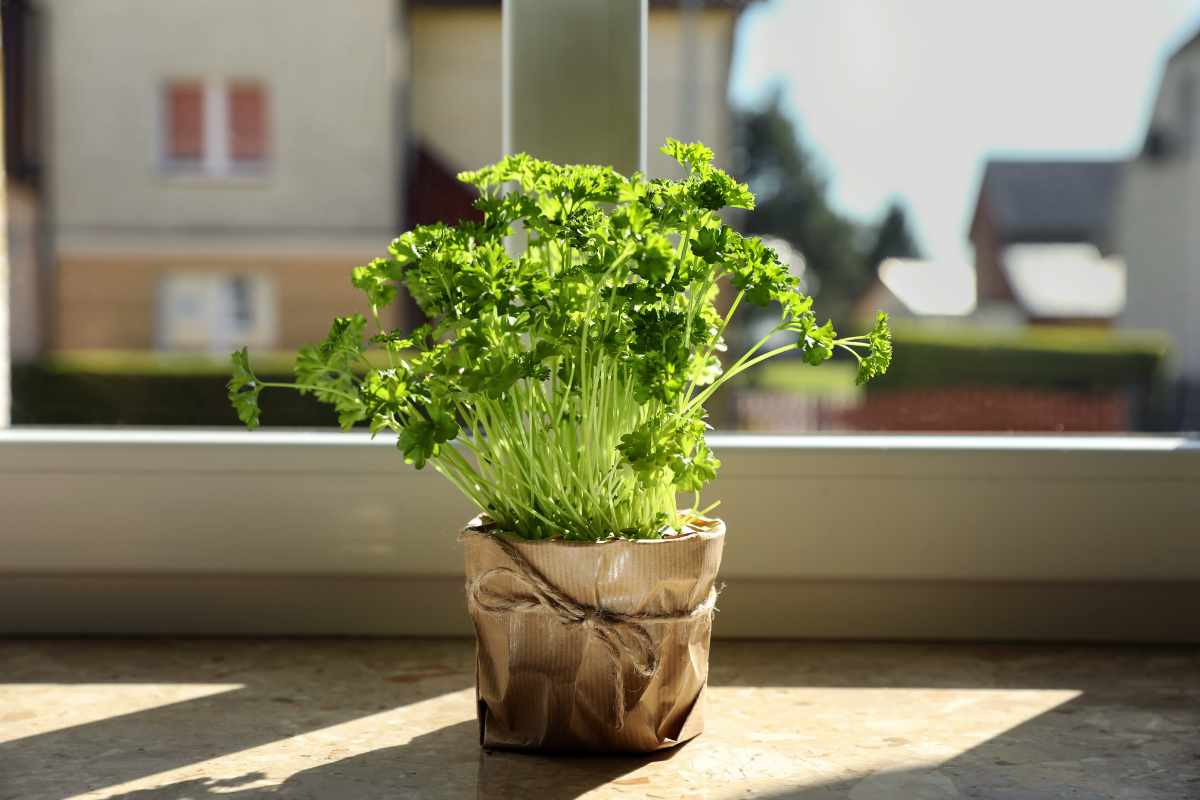
Parsley is easy to care for and grows well indoors. It prefers moderate sunlight and even moisture. Parsley adds fresh flavor to a variety of dishes, from soups to salads.
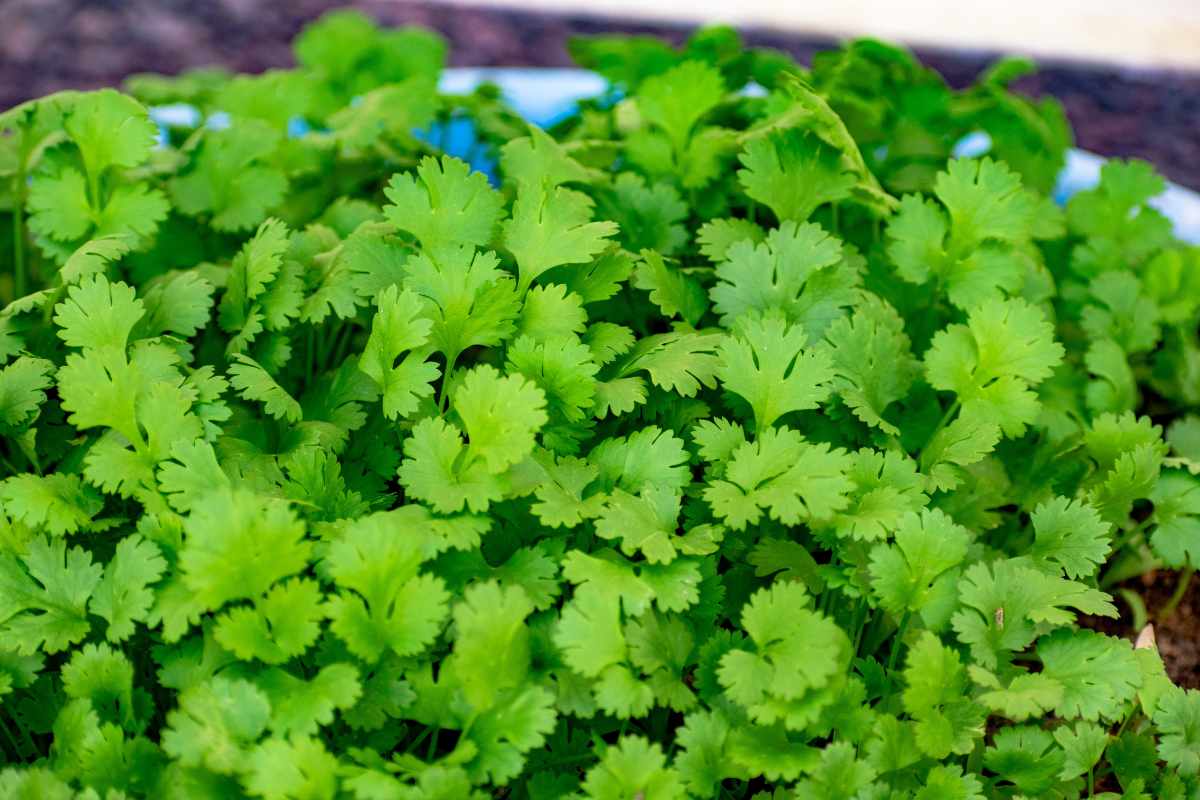
Cilantro grows best on a sunny windowsill, but it can bolt quickly if not harvested regularly. Keep the soil moist and enjoy using it in salsa, curries, or Mexican dishes.
Growing herbs indoors is a rewarding hobby that provides you with fresh ingredients all year long.
Whether you’re a seasoned gardener or just starting, an indoor herb garden is easy to maintain and offers endless culinary possibilities.
With the right care and attention, your herbs will thrive, providing you with fresh, flavorful additions to your meals whenever you need them.
Enjoy the Video Tutorial

Source: ehowhome
Did you find this post useful or inspiring? Save THIS PIN to your Gardening Board on Pinterest!😊

Once again, thank you for visiting our website!
We hope you've enjoyed exploring the content we've created for you.
Give yourself the chance to learn, get inspired, and have even more fun, keep browsing...
More Gardening Tips 👇🏼👇🏼