
15 Medicinal Herbs and Their Uses


Growing your own medicinal herbs is one of the simplest and most rewarding ways to support health naturally.
Not only are these plants beautiful and easy to grow, but they also provide a wide range of benefits—from soothing digestive issues to calming stress or boosting immunity.
In this guide, we’ll explore 15 essential herbs you can grow at home, how to use them safely, and tips for getting the most from your garden.
Disclaimer: This article is for educational purposes only. Herbal remedies should not replace medical advice. Always consult with a healthcare professional before starting any herbal treatment, especially if pregnant, breastfeeding, or taking medication.
General Tips for Growing Medicinal Herbs
Before diving into each herb, it’s helpful to understand the basics of growing them successfully:
Soil and Light: Most herbs prefer well-drained soil and full sun.
Watering: Regular but moderate watering is best; avoid soggy roots.
Harvesting: Pick leaves in the morning after the dew dries for maximum potency.
Storage: Dry herbs in a cool, dark place and store them in airtight containers.
With these simple rules, you can maintain a thriving herbal garden year-round.
1. Chamomile (Matricaria chamomilla)
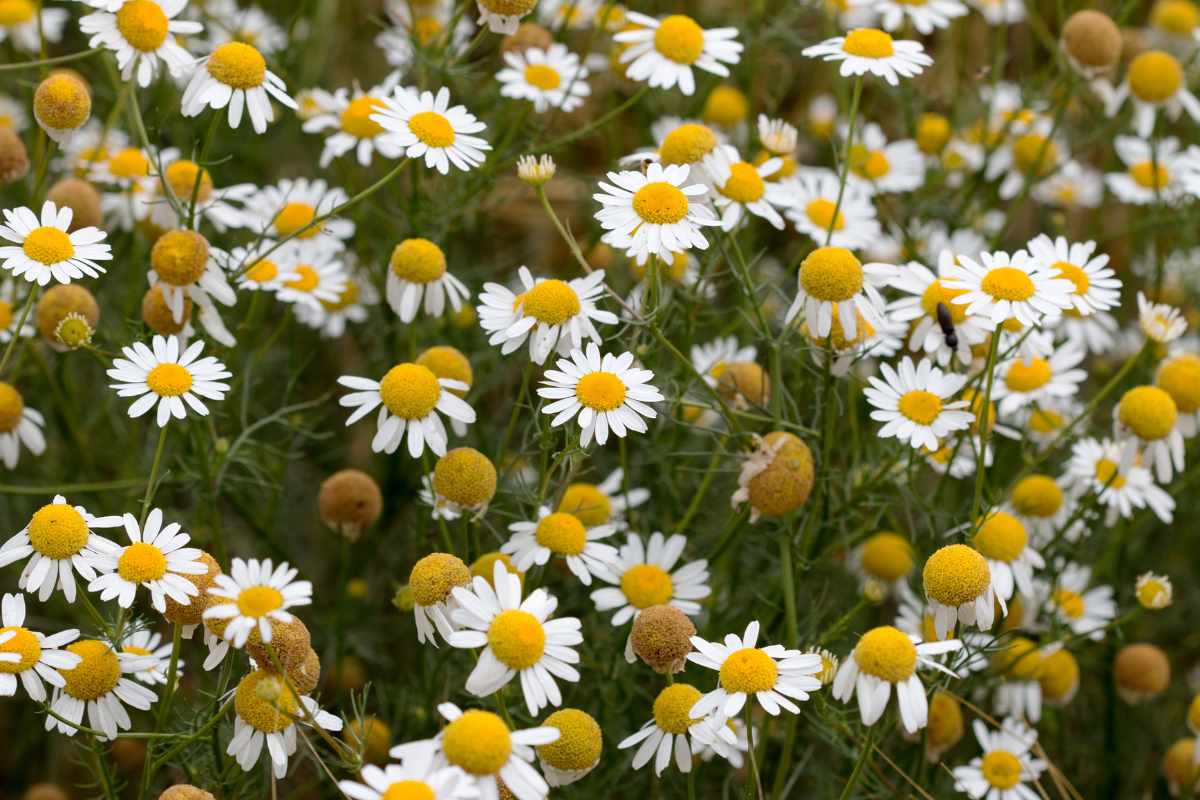
Uses: Famous for calming nerves and promoting sleep, chamomile also aids digestion and soothes inflammation.
How to grow: Prefers full sun and light soil. It self-seeds easily, making it a low-maintenance plant.
How to use: Steep dried flowers in hot water to make tea, or add to bathwater for relaxation.
Precautions: Avoid if allergic to ragweed or daisies.
2. Peppermint (Mentha × piperita)
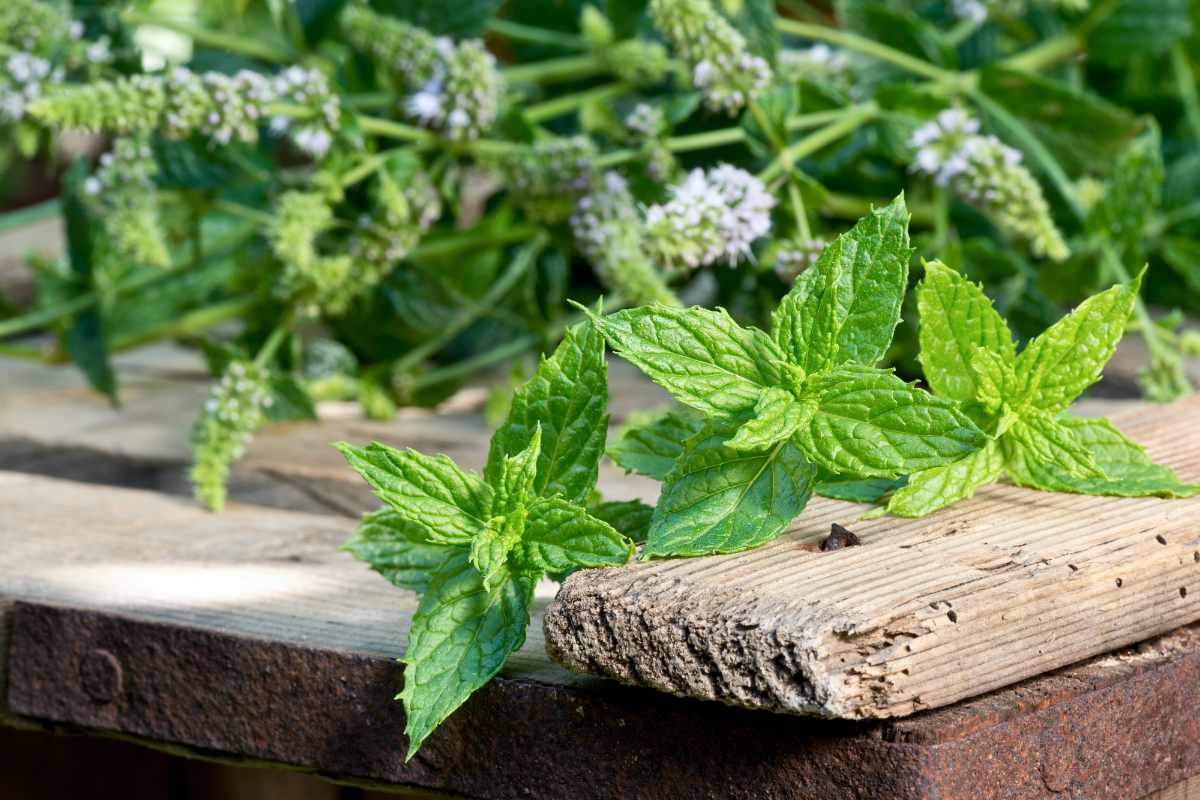
Uses: Eases digestive discomfort, relieves nausea, and refreshes the breath.
How to grow: Thrives in moist soil but can spread aggressively—best grown in containers.
How to use: Fresh or dried leaves make soothing teas, or use the oil in steam inhalations.
Precautions: Not recommended for infants or people with acid reflux.
3. Lavender (Lavandula angustifolia)
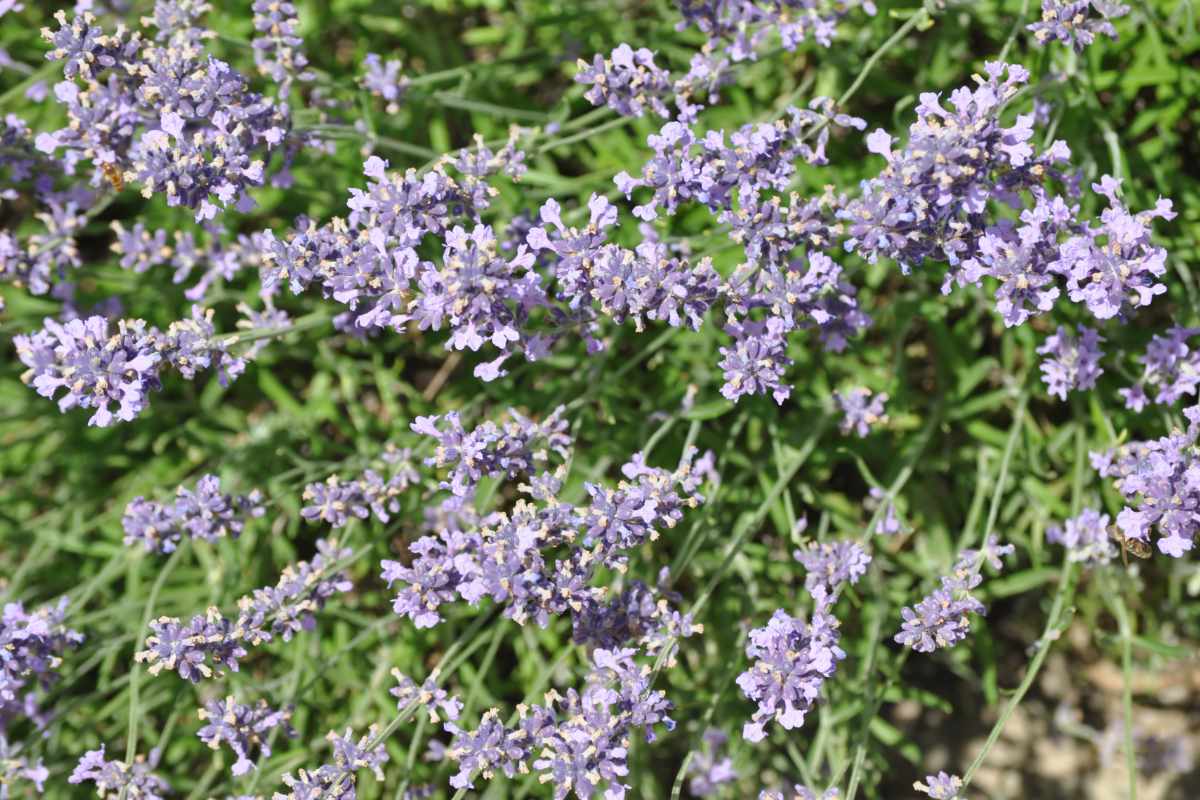
Uses: Known for its calming scent, lavender helps reduce anxiety, improve sleep, and soothe skin irritations.
How to grow: Prefers full sun and dry, sandy soil. Drought-tolerant once established.
How to use: Use dried flowers in sachets, teas, or essential oils for aromatherapy.
Precautions: May cause allergic reactions in sensitive individuals.
4. Aloe Vera (Aloe barbadensis)
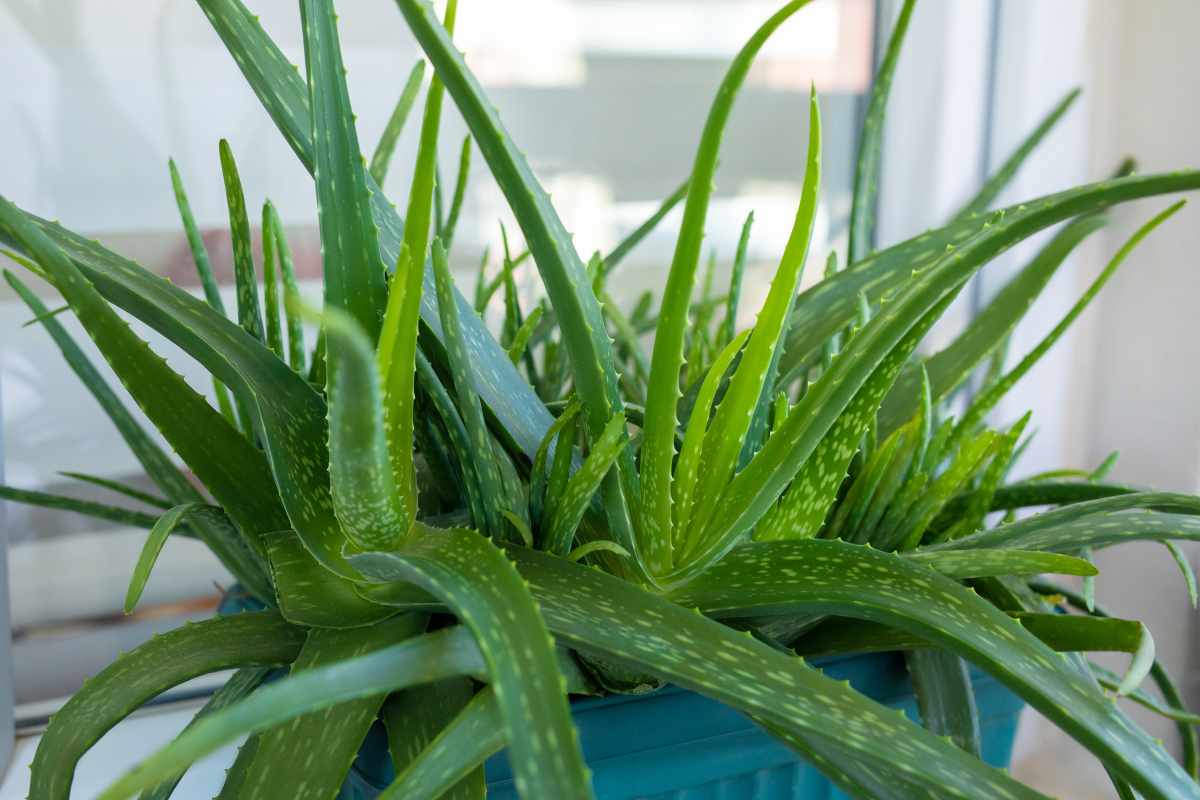
Uses: A natural healer for burns, cuts, and skin irritations; also supports digestion in juice form.
How to grow: Thrives indoors or outdoors in well-drained soil and bright light.
How to use: Break open a leaf and apply gel directly to the skin.
Precautions: Internal use should be monitored; excessive amounts can cause digestive upset.
5. Echinacea (Echinacea purpurea)
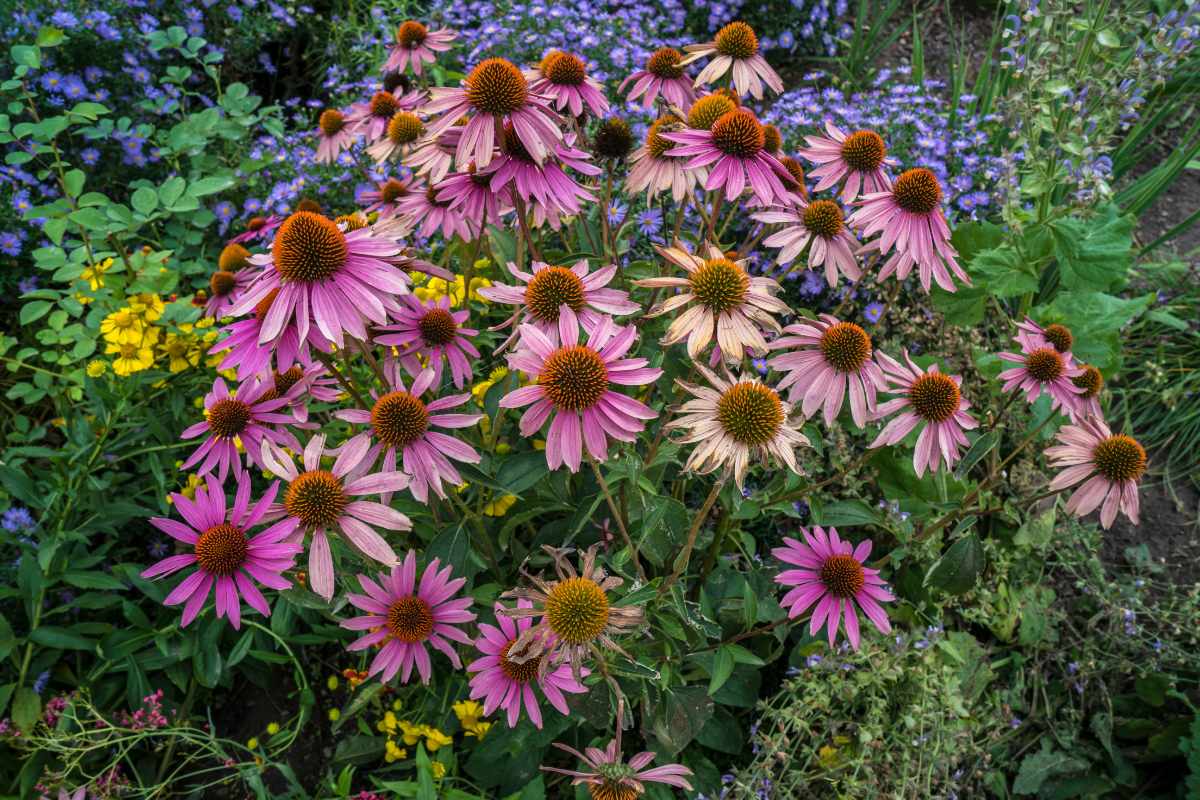
Uses: Boosts the immune system and helps fight colds and flu.
How to grow: Requires full sun and fertile, well-drained soil. Hardy and easy to care for.
How to use: Roots and flowers can be made into teas or tinctures.
Precautions: Not recommended for people with autoimmune disorders.
6. Lemon Balm (Melissa officinalis)
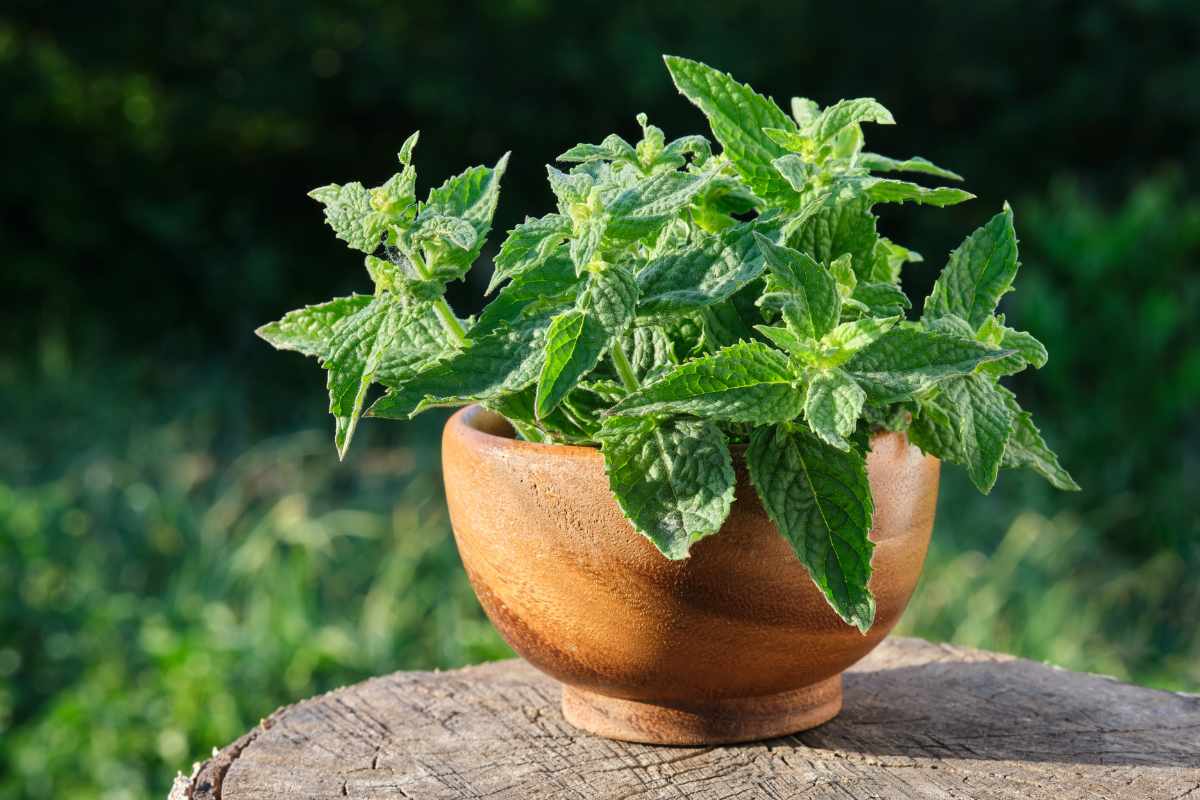
Uses: Calms the nervous system, reduces stress, and promotes restful sleep.
How to grow: Grows well in partial shade and rich soil; spreads quickly.
How to use: Fresh leaves in tea, salads, or infused oils.
Precautions: May interact with thyroid medications.
7. Rosemary (Rosmarinus officinalis)
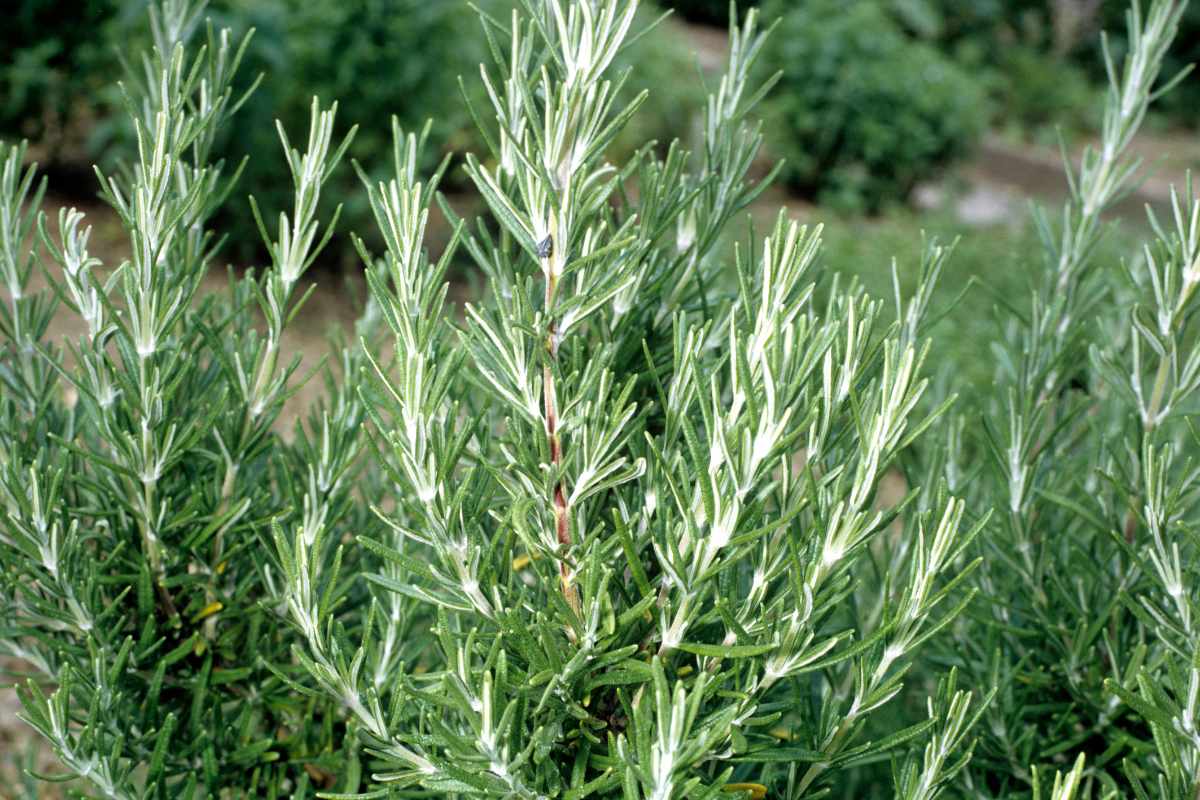
Uses: Improves memory, circulation, and digestion.
How to grow: Loves sunny, dry conditions; ideal for Mediterranean climates.
How to use: Add sprigs to cooking, or prepare as an herbal tea.
Precautions: Avoid in large doses during pregnancy.
8. Thyme (Thymus vulgaris)
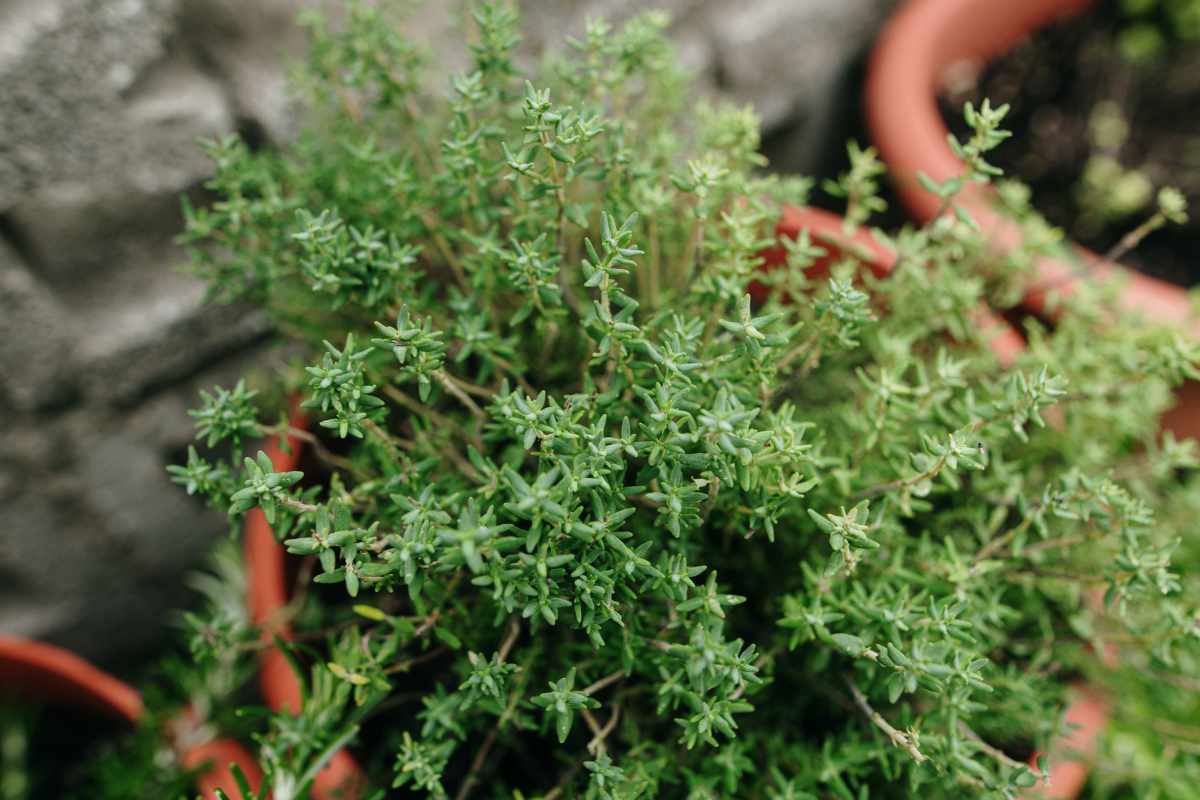
Uses: Powerful antiseptic, supports respiratory health, and boosts immunity.
How to grow: Needs full sun and well-drained soil. Drought-resistant.
How to use: Use in cooking, teas, or as a gargle for sore throats.
Precautions: Strong essential oils may irritate the skin if used undiluted.
9. Sage (Salvia officinalis)
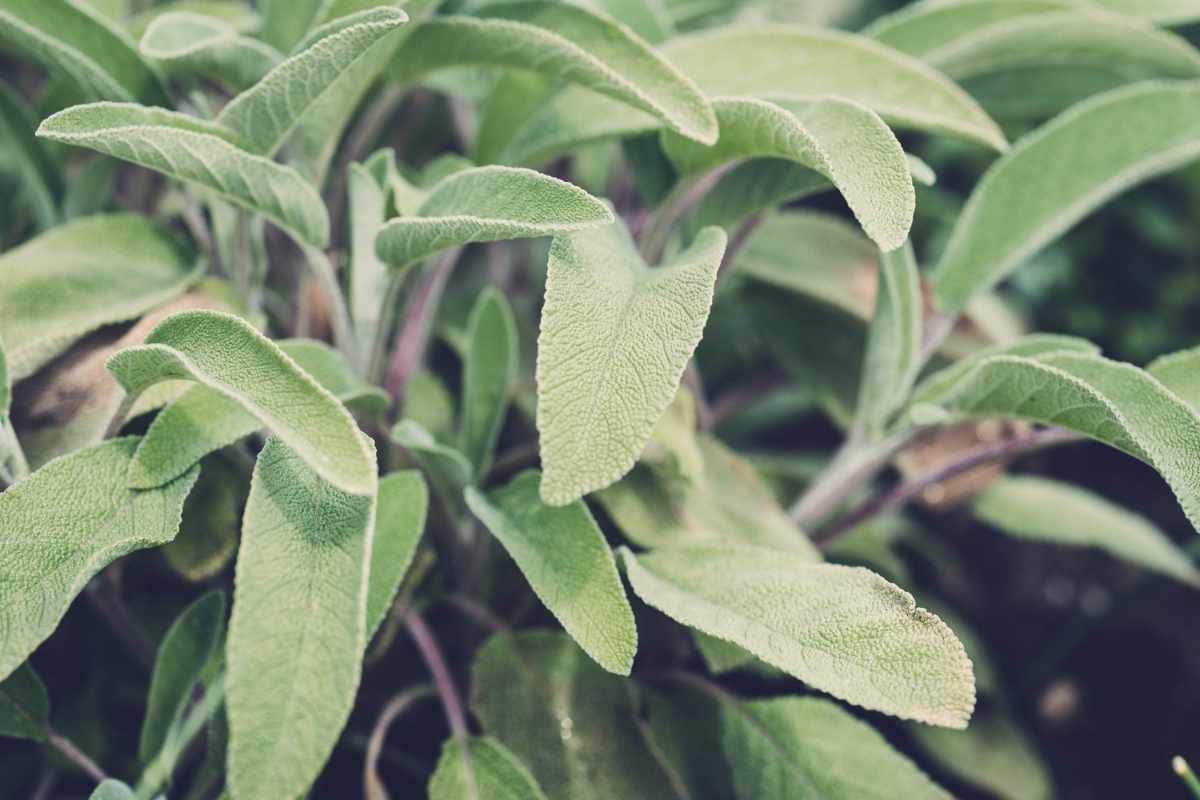
Uses: Supports digestion, eases sore throats, and may help with memory.
How to grow: Requires full sun and sandy, well-drained soil.
How to use: Brew as tea or use in cooking for flavor and health benefits.
Precautions: Avoid excessive amounts during pregnancy.
10. Calendula (Calendula officinalis)
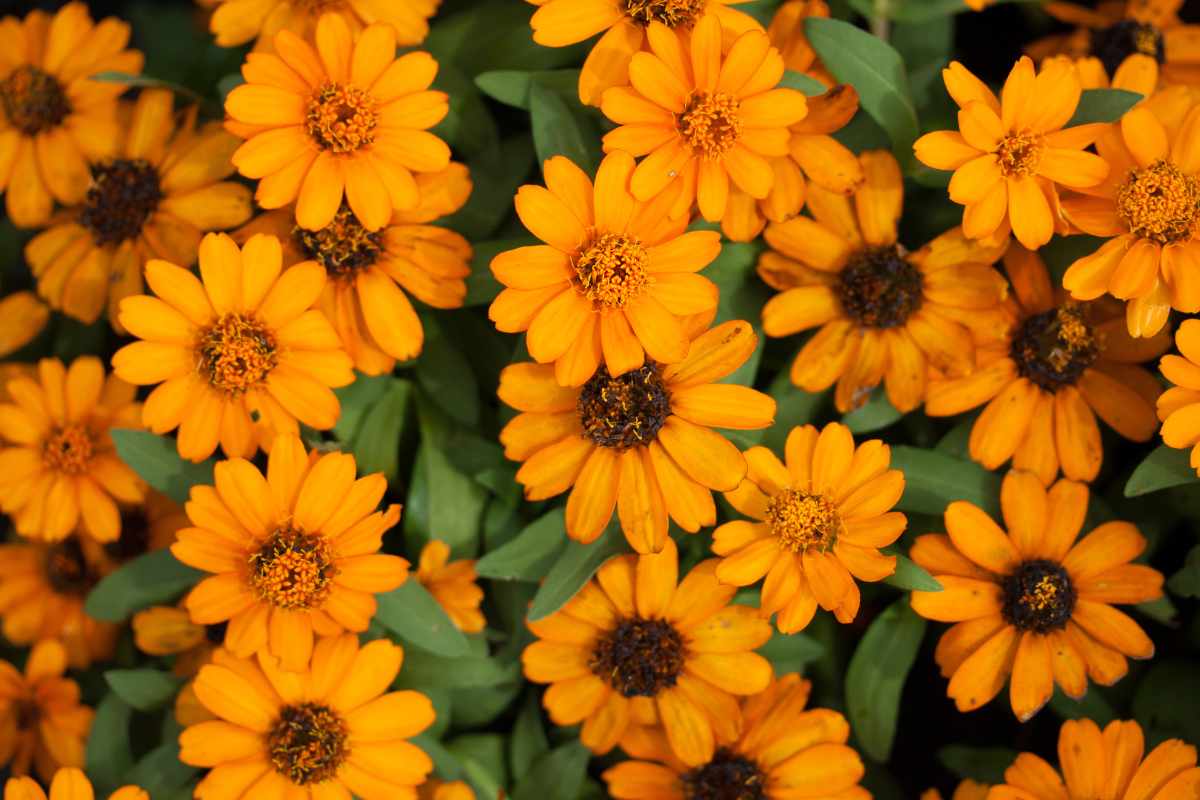
Uses: Known for skin healing—treats cuts, rashes, and insect bites.
How to grow: Easy to grow in sunny spots; blooms throughout summer.
How to use: Infuse flowers in oil for salves, or steep in tea.
Precautions: May cause allergic reactions in people sensitive to daisies.
11. Basil (Ocimum basilicum)

Uses: Anti-inflammatory, antibacterial, and beneficial for digestion.
How to grow: Prefers warm temperatures and regular watering.
How to use: Fresh leaves in salads, teas, and oils.
Precautions: Best used fresh—loses potency when dried.
12. Garlic (Allium sativum)
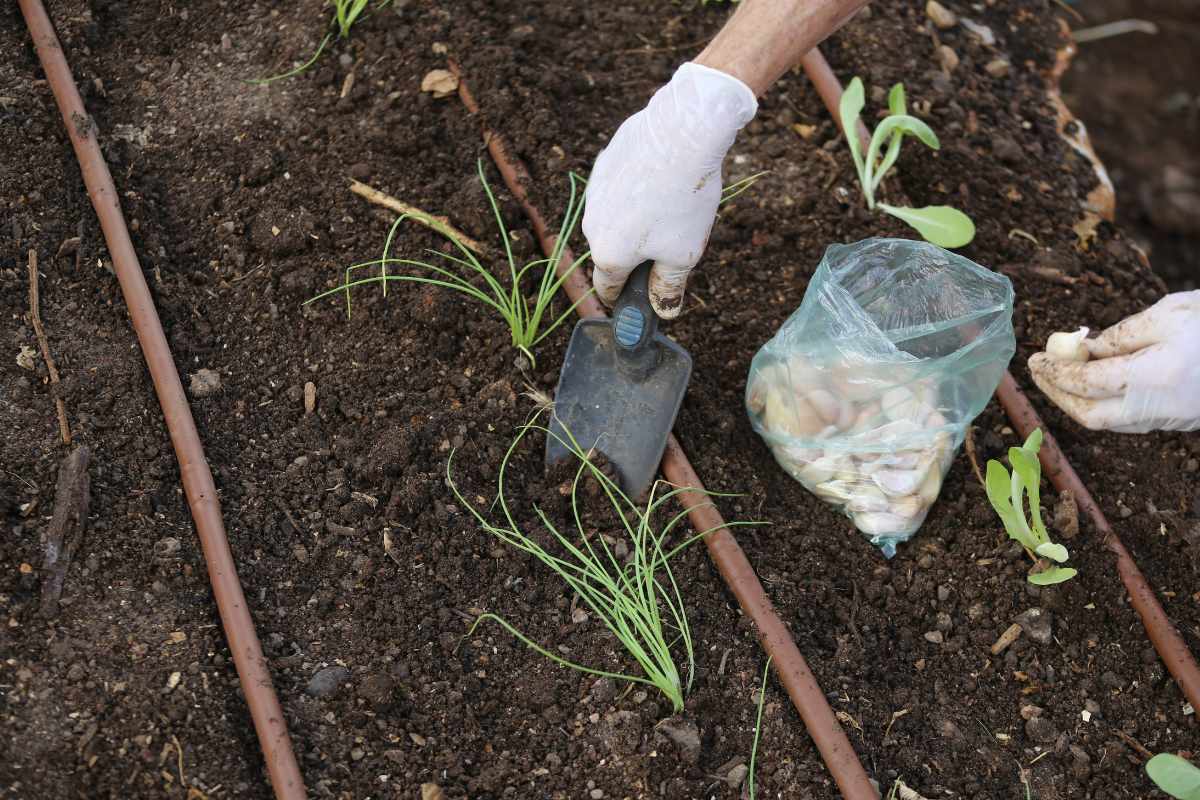
Uses: Strengthens immunity, lowers blood pressure, and fights infections.
How to grow: Plant cloves in well-drained soil, full sun, and water moderately.
How to use: Eat raw or cooked, or infuse in honey for colds.
Precautions: May thin blood—avoid before surgery or if on anticoagulants.
13. St. John’s Wort (Hypericum perforatum)
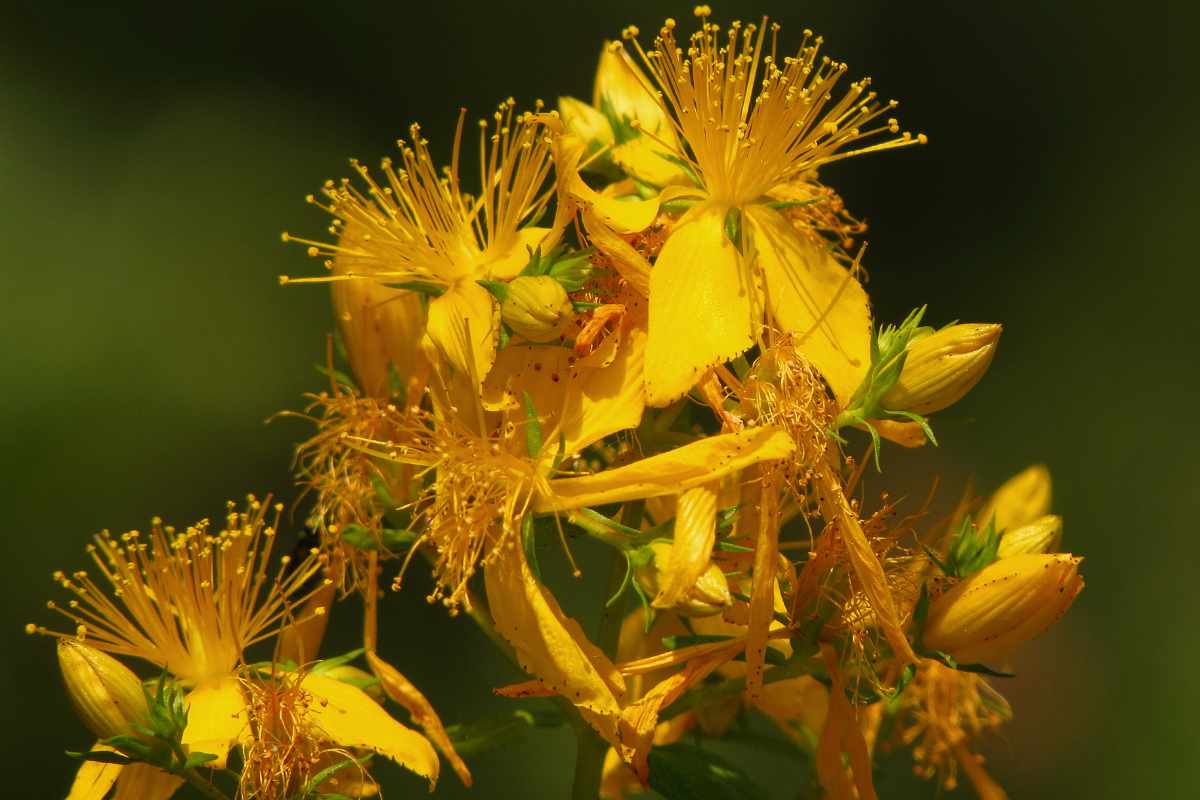
Uses: Traditionally used for mild depression and anxiety.
How to grow: Prefers sunny, dry locations and well-drained soil.
How to use: Dried flowers for teas or tinctures.
Precautions: Interacts with many medications—consult a doctor before use.
14. Dandelion (Taraxacum officinale)
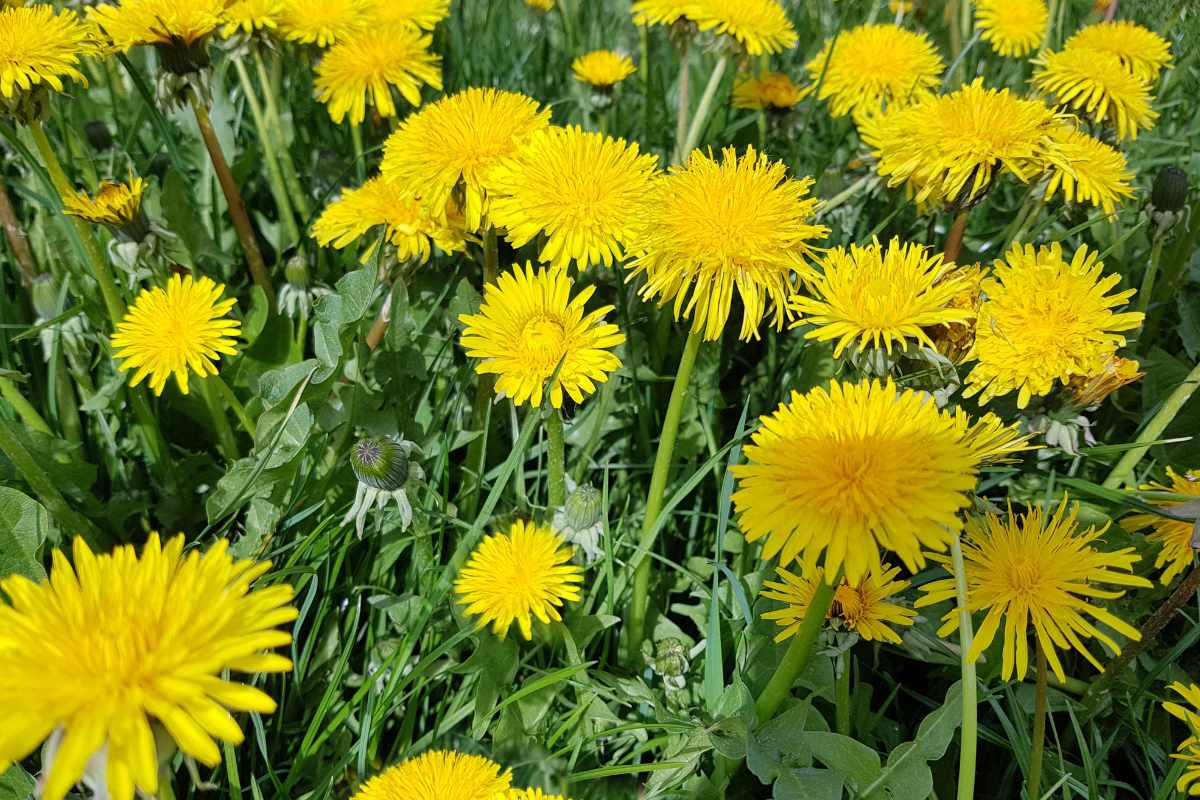
Uses: Supports liver health, aids digestion, and is rich in vitamins.
How to grow: Hardy weed that thrives almost anywhere.
How to use: Leaves in salads or teas; roots roasted for a coffee substitute.
Precautions: May act as a diuretic; avoid if on water pills.
15. Ginger (Zingiber officinale)
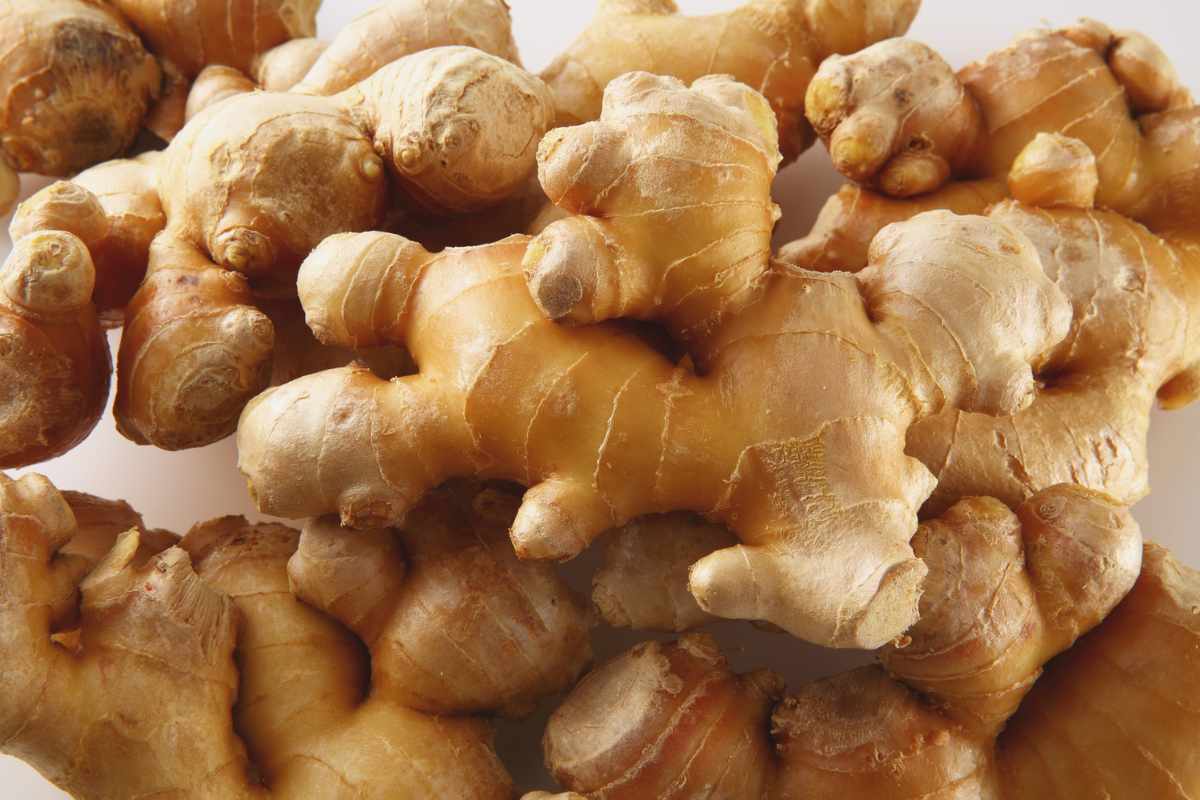
Uses: Relieves nausea, supports digestion, and reduces inflammation.
How to grow: Plant rhizomes in warm, moist soil; thrives in containers.
How to use: Fresh slices in teas, smoothies, or cooking.
Precautions: May interact with blood-thinning medications.
How to Choose the Right Herb for You
If you’re just starting, focus on one or two versatile herbs that suit your lifestyle. For relaxation, try chamomile or lemon balm.
For immunity, echinacea and garlic are excellent. For everyday cooking and wellness, rosemary, thyme, and basil bring flavor and health together.
Bringing Herbal Healing into Your Home
Growing and using medicinal herbs connects you to centuries of traditional knowledge while giving you practical tools to support your health naturally.
Whether you enjoy a soothing cup of chamomile tea, rub aloe vera gel on a burn, or flavor meals with rosemary, these plants enrich both your garden and your wellbeing.
Start small, experiment, and let nature’s pharmacy become part of your daily life.
Enjoy The Video Tutorial

Source: Melissa K. Norris - Modern Homesteading
Don’t forget to Subscribe to our Newsletter to receive amazing tips and tricks about Gardening and the FREE Ebook Green Living Strategies!
Did you find this post Useful or Inspiring? Save THIS PIN to your GARDENING Board on Pinterest! 😊

Once again, thank you for visiting our website!
We hope you've enjoyed exploring the content we've created for you.
Give yourself the chance to learn, get inspired, and have even more fun, keep browsing...
More Gardening Tips 👇🏼👇🏼